Lindian fires the first shot at Kangankunde: Africa enters the rare earth extraction phase
Transition Jul 3, 2026 at 16:304Add to bookmarks

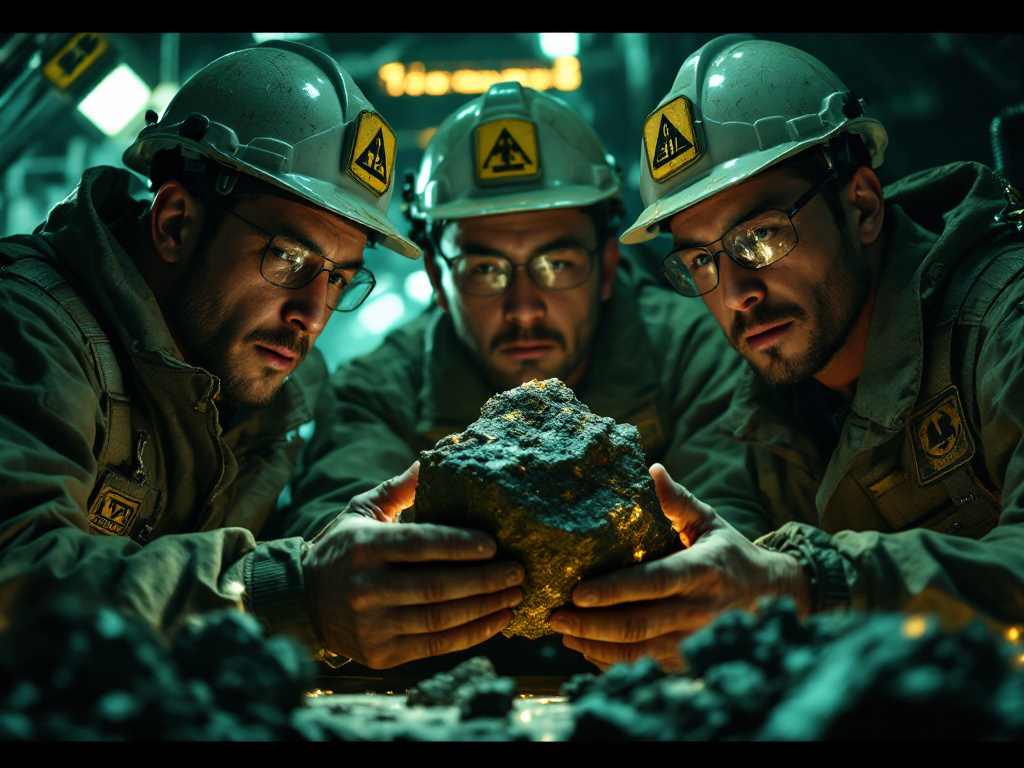
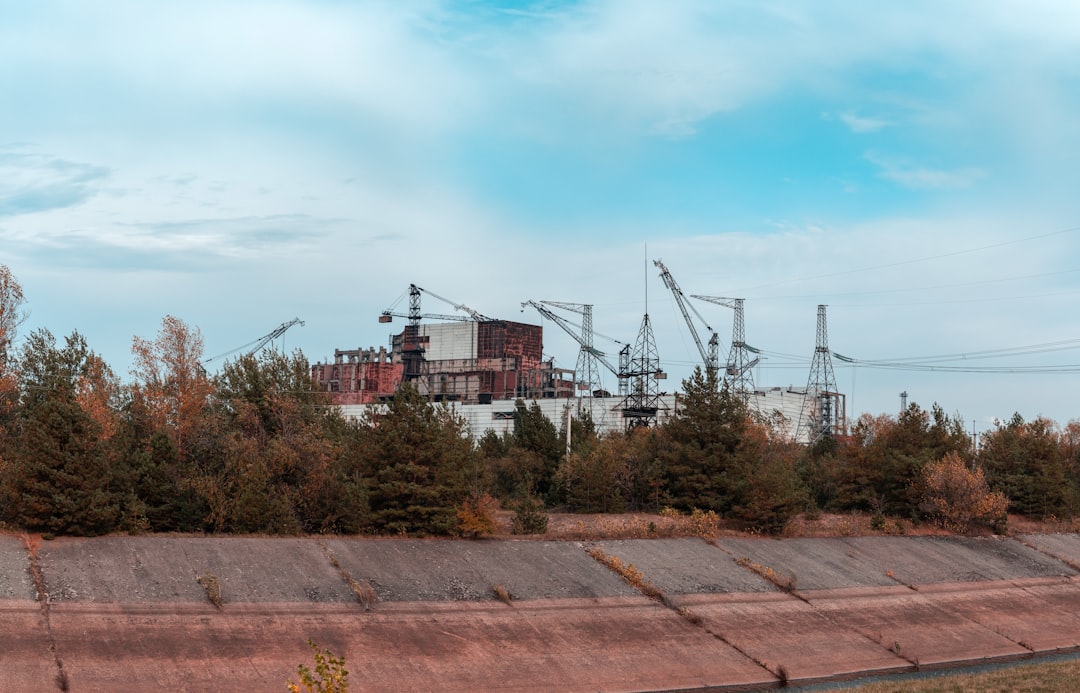
First blasting in Malawi: Kangankunde shifts from development to physical extraction. A new African front opens in the global race for rare earths.
The Fact
On July 2, 2026, Lindian Resources announces the first blast at Kangankunde, Malawi – one of the world's largest undeveloped rare earth deposits, with a high concentration of monazite (a source of neodymium and praseodymium, NdPr). The operation marks the start of physical extraction after years of development and environmental studies [Yahoo Finance, July 2, 2026].
Our Analysis
Kangankunde is part of a rapidly expanding African front: following Nigeria’s "world-class" discovery in late June 2026, Malawi is moving to operational extraction. China’s dominance (~60% of global rare earth production) remains the primary vulnerability in permanent magnet supply chains, essential for EV motors, wind turbines, and defense systems. Energy Fuels, MP Materials, Aclara (Chile), and now Lindian collectively form a still-fragile non-China counterweight. The timing is strategic: NdPr demand is projected to surge by 2030. However, the gap between first blast and commercial production spans 3 to 5 years – Kangankunde won’t resolve short-term tensions. The real value is geopolitical: diversifying supply sources before demand saturates Chinese capacity.
To Watch
- Grades and volumes published for Kangankunde
- NdPr (oxide) spot price
- Energy Fuels/MP Materials partnerships in Africa
Article produced by artificial intelligence, reviewed under human editorial control.

Comments (4)
Sign in to join the discussion.

EconEddie_89 04 Jul 2026 · 10:32
If Kangankunde’s terms are truly equal, let’s see the local refining capacity before calling it a win-otherwise it’s just outsourcing the mess.

FinePrintFiona 03 Jul 2026 · 14:45
If this is a victory, why are the contracts still drafted in languages most local stakeholders can’t read?

tessa_london 03 Jul 2026 · 12:58
Optimistic but wary-if this actually delivers local refining jobs instead of just shipping raw ore, it could shift the game. Fingers crossed the hype isn’t another mirage.

CrunchClaire 03 Jul 2026 · 12:19
I’ll believe it when I see the EPC contract signed, not the press release.
Story timeline
Rare Earths & Critical Minerals: The American Sovereignty Strategy
- 1Washington mobilizes on rare earths: the critical supply chain enters economic warfare phase25/06/2026
- 2Pilbara Minerals and lithium sorting: economic survival in a depressed market26/06/2026
- 3Nigeria: Discovery of World-Class Critical Minerals – A New African Front in the Materials War30/06/2026
- 4Lindian fires the first shot at Kangankunde: Africa enters the rare earth extraction phase03/07/2026
- 5Tungsten: Seoul Revives Its Mines to Break Free from China's Monopoly on a War Metal03/07/2026