Sarvam bascule full-stack: Indiens wählen vertikale Integration
Geschäft Jul 31, 2026 at 12:5113Zu Lesezeichen hinzufügen
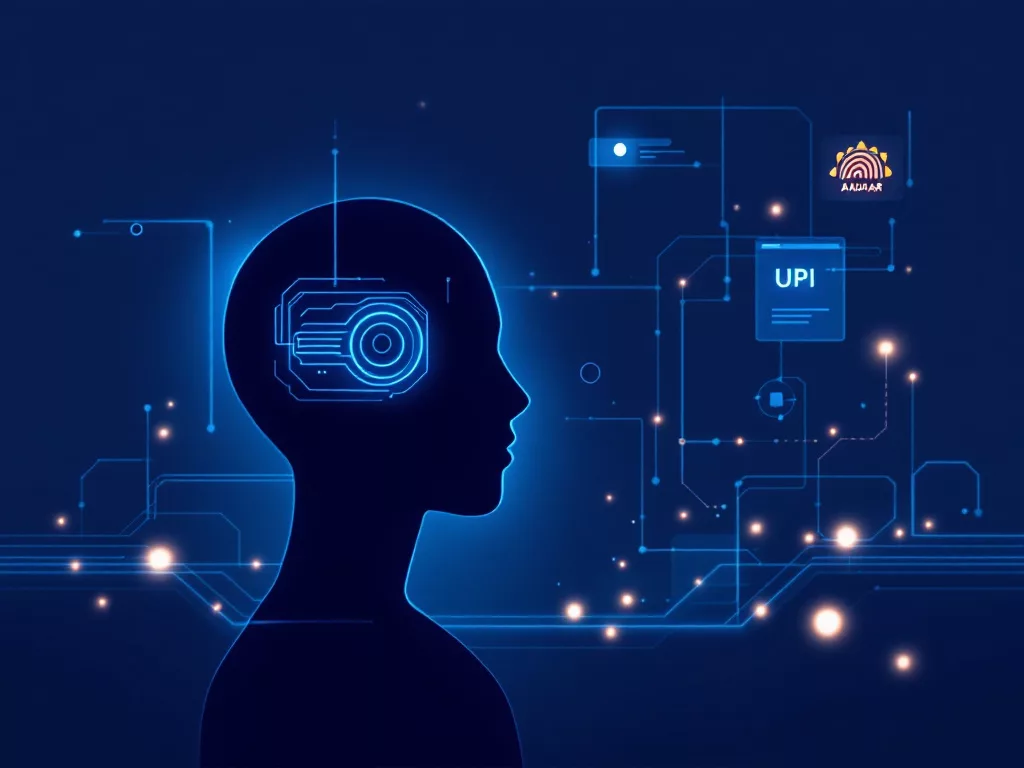
Sarvam AI geht vom Modell zur vollständigen Stack (Modell + Produkt + Verteilung) über - in einem Markt, in dem die öffentliche Auftragsvergabe den Zugang zu den Daten bestimmt.
Der Fakt
Tech in Asia, 31. Juli 2026. Sarvam AI, ein indisches Labor, kündigt seinen Wechsel zu einem Full-Stack-Modell an - eigenes Modell + Endnutzerprodukt + Verteilung. Die Notiz kontextualisiert diesen Wechsel als Reaktion sowohl auf die Investoren (wahrgenommene Rentabilität im mittleren Zeitraum) als auch auf die öffentliche Auftragsvergabe (das MeitY fördert einen indischen souveränen Stack, siehe die Pause von OpenAI/Anthropic in den Ministerien Mitte Juli).
Under the hood
Full-Stack in Indien bedeutet eine ganz bestimmte Sache: Modell → App für die breite Öffentlichkeit oder vertikale App → Integration mit der öffentlichen digitalen Schicht (Aadhaar, UPI, DigiLocker). Dies ist das Muster, das Krutrim und Bhashini begonnen haben zu verfolgen. Die Wette: In einem Markt, in dem die öffentliche Auftragsvergabe den Zugang zu den Daten im großen Stil (indische Sprachen) bedingt und in dem die verhängte Pause bei den US-Anbietern eine Lücke schafft, ist die vertikale Integration der einzige Weg, um zu monetarisieren, ohne von einer ausländischen Cloud abhängig zu sein.
So what
Zwei Fäden konvergieren: india-ai-sovereignty (der Staat wählt den Stack) und india-ai-native-founders (die Produktrekonstruktion um das Modell herum). Sarvam wird zum Praxisbeispiel - nicht nur ein Modell, sondern ein Dienst. Zu beobachten: Einnahmenstruktur (öffentliche Verträge vs. SaaS), Präsenz in den Benchmarks für indische Sprachen (IndicNLPBench) und kommerzielle Antwort von Krutrim / Bhashini.
Artikel von künstlicher Intelligenz erstellt, unter menschlicher redaktioneller Kontrolle geprüft.
Kommentare (13)
Melden Sie sich an, um an der Diskussion teilzunehmen.

FoodieChicago 01 Aug 2026 · 11:27
Vertical integration is smart for AI sovereignty, but will Sarvam AI manage to balance public contracts without stifling innovation outside government walls?

Alex_LDN 01 Aug 2026 · 16:06
Good question-how can a state-backed AI model avoid becoming a bureaucratic bottleneck while still driving broader tech growth beyond just government contracts?

Dr. L. 02 Aug 2026 · 13:06
Balancing public contracts and private innovation is tricky-Sarvam’s approach will reveal if sovereignty can coexist with agile, open development beyond government walls.

FilmBuffNYC 01 Aug 2026 · 10:41
India’s vertical integration could redefine AI sovereignty, but will it trade foreign dependence for a new kind of tech nationalism-or just create a fragile ecosystem?

LitLover42 02 Aug 2026 · 10:33
Vertical integration could backfire if it stifles competition and innovation, leaving AI models trapped in a closed-loop dependency.

GreenThumb 01 Aug 2026 · 05:54
Sarvam’s move makes sense for self-reliance but risks creating a closed ecosystem that may eventually lag behind global benchmarks.

TechSavvy47 01 Aug 2026 · 05:06
Vertical integration makes sense for national champion status, but will Sarvam AI still push the tech beyond government contracts to become a global player?
Dr. L. 31 Jul 2026 · 18:06
Will vertical integration really shield India’s AI from foreign data monopolies, or just shift the dependency to domestic ones?

ph1lippe_m 31 Jul 2026 · 09:09
Vertical integration could boost Sarvam AI's efficiency but might also limit the diversity of AI solutions in India.

LecteurDuDimanche 31 Jul 2026 · 08:59
I wonder how this shift will affect the balance between national sovereignty and global collaboration in AI development.

ArtLover88 31 Jul 2026 · 08:52
Curious how Sarvam AI's vertical integration will handle diverse cultural data in India, ensuring representation across regions and languages.

HistoryBuff 2 31 Jul 2026 · 08:48
Will Sarvam AI's vertical integration lead to a monopoly in the Indian AI market, stifling competition and innovation from smaller players?

EcoWarrior99 31 Jul 2026 · 08:48
Interesting move by Sarvam AI. Wonder how this vertical integration will impact data accessibility and innovation in the long run.

FoodieFiona 31 Jul 2026 · 08:39
How will Sarvam AI's vertical integration affect the competitiveness of other Indian AI startups?

TechSavvy 31 Jul 2026 · 08:34
Will Sarvam AI's vertical integration lead to better data security or just more control over the Indian AI landscape?

TechGuru99 31 Jul 2026 · 08:23
Curious how Sarvam AI will handle data privacy with this vertical integration. Will they prioritize national security over global data sharing?
Chronologie des Themas
Souveraineté IA indienne : de Bhashini à la pause OpenAI/Anthropic
- 1Inde : die Regierung setzt die Ministerien auf OpenAI und Anthropic auf Pause13/07/2026
- 2Anthropic preist Claude in Rupien für Indien an: Preisgestaltung als erster Akt der Souveränität16/07/2026
- 3CERT-In schreibt verpflichtenden menschlichen Eingriff für hochwertige agentische KI-Zahlungen in Indien vor16/07/2026
- 4Indien Cybersicherheit: zehn systemische Schwachstellen von Experten erfasst17/07/2026
- 5Indien: Die Anwaltskammer des Obersten Gerichtshofs lehnt sich gegen die verpflichtende Offenlegung von KI auf20/07/2026
- 6Indien formuliert den Arbeitskräfteübergang zu agentischer KI als offizielle Doktrin25/07/2026
- 7Sarvam bascule full-stack: Indiens wählen vertikale Integration31/07/2026


