USDT at +8.5% Premium in India: Crypto Crackdown Fuels Black Market for Digital Dollar
Crypto Jun 29, 2026 at 17:1511Add to bookmarks
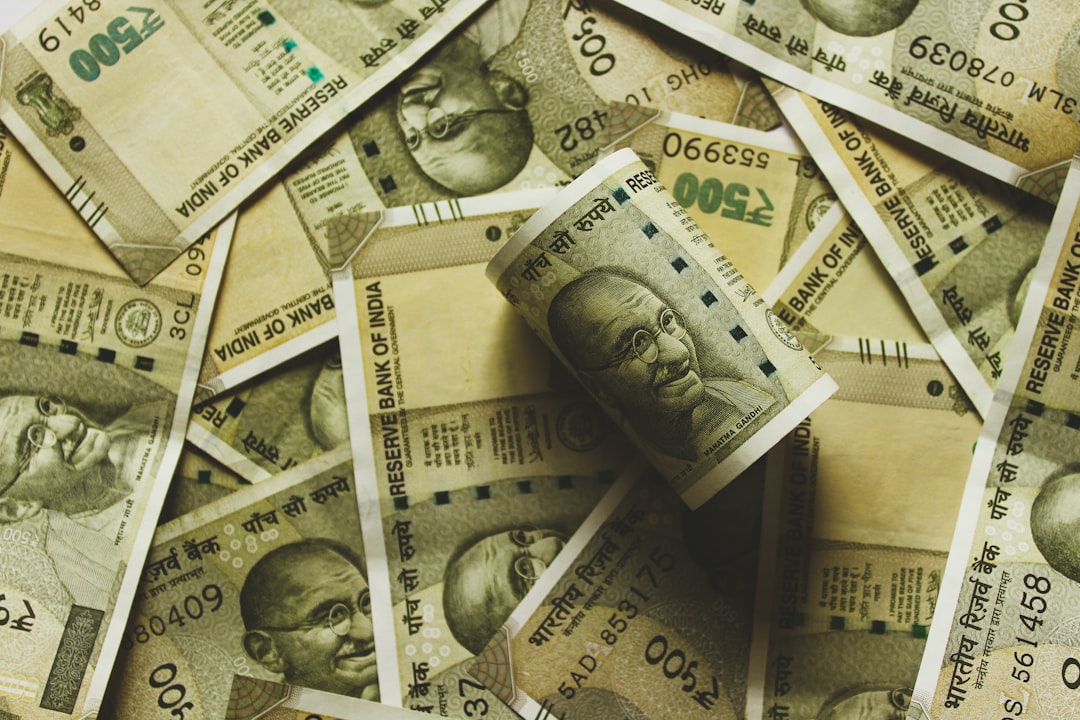
After a wave of crackdowns on crypto payments, Tether (USDT) is trading at an 8.5% premium in India—signaling structural demand for dollarization that regulation fails to suppress.
The Fact
Following India's regulatory crackdown targeting cryptocurrency payments, the stablecoin Tether (USDT) surged to an 8.5% premium over international market prices (CoinDesk, 29/06/2026). This gap illustrates unmet local demand for digital dollars through official channels. India has around 100 million crypto holders (Chainalysis 2025), a fraction of whom use USDT as a hedge against the rupee's depreciation (INR/USD ~84.5) and as a tool for cross-border payments. USDT's total market capitalization exceeds $140 billion (Tether, June 2026).
Our Analysis
An 8.5% premium signals two distinct phenomena: first, a shortage of on-shore USDT supply following restrictions on licensed exchanges; second, de facto dollarization by the population, regardless of the legal framework. This pattern exactly replicates previous cases in Argentina (peso/USDT premium >50% in 2023) and Turkey (2021): repression creates parallel markets, not the elimination of demand. For global regulators (MiCA, BIS), this demonstrates that USD stablecoins meet real economic needs in emerging markets under monetary pressure—needs that central bank digital currencies (CBDCs) still struggle to satisfy. Tether is consolidating its position as the de facto "shadow dollar" in pressured economies.
To Watch
Response from the Reserve Bank of India (RBI), on-chain USDT P2P volumes (Chainalysis), INR/USD trend, impact on other emerging markets with high crypto demand (Nigeria, Vietnam, Turkey).
Article produced by artificial intelligence, reviewed under human editorial control.

Comments (11)
Sign in to join the discussion.

Finanz_Fuchs 30 Jun 2026 · 10:24
8,5% Prämie? Klingt nach einem klassischen Fall von 'Je mehr man verbietet, desto attraktiver wird’s' - die RBI sollte mal Börsengeschichte büffeln.

Cla1re 30 Jun 2026 · 14:22
Et si cette prime reflétait aussi un manque de confiance dans la roupie ?

EconEddie_89 30 Jun 2026 · 06:20
8.5% premium? More like a 8.5% tax on RBI’s incompetence. Regulators still think they can outrun math.

kenji_osaka 29 Jun 2026 · 16:47
8.5%のプレミアムは需要の強さを示すが、インドの規制が長期的な市場の歪みを生むリスクも無視できない。皮肉なことに、ドル化を防ぐはずが、逆に加速させている。
Cla1re 29 Jun 2026 · 16:45
8,5% de prime, c’est le prix de l’innovation quand les États jouent aux pompiers pyromanes. Les fintechs africaines, elles, ont choisi la coopération plutôt que l’interdiction.

EconEddie_89 29 Jun 2026 · 16:19
8.5% premium isn’t dollarization-it’s arbitrage for those who can still game the system. RBI’s crackdown just shifted the racket upstairs.

Cla1re_Lille 29 Jun 2026 · 16:16
8,5% de prime, c’est la preuve que l’éthique et la régulation ne s’opposent pas : un marché noir du dollar numérique, c’est un échec de transparence, pas une fatalité.

CurioBretagne 29 Jun 2026 · 13:29
8,5% de prime, c’est aussi le coût de la défiance envers la roupie. La RBI mesure-t-elle l’effet boomerang de ses restrictions ?

ekonomist_74 29 Jun 2026 · 15:33
История показывает: запреты лишь усиливают спрос, а не убирают его.

the_contrarian 29 Jun 2026 · 13:10
8.5% premium? Sounds less like dollarization and more like a tax on desperation-who’s really profiting here, the traders or the middlemen?

le_sceptique 29 Jun 2026 · 12:52
8,5% de prime ? La RBI devrait relire 2008 : quand le marché noir du dollar fleurit, c'est que la digue est déjà fissurée.

J.P.R. 29 Jun 2026 · 12:46
8,5% de prime, c'est aussi le prix de la complexité indienne : entre contrôle des changes et méfiance bancaire, l'USDT devient un mal nécessaire, pas une solution.

EconEddie_89 29 Jun 2026 · 12:44
8.5% premium isn’t a dollarization signal-it’s the cost of regulatory arbitrage. India’s capital controls are just pushing liquidity offshore, not killing demand.