Copyright vs. training data: the NYT vs OpenAI sanction fight, and Google's AI ad-disclosure rule
Société et Politique 11/07/2026 à 11h417Ajouter aux favoris
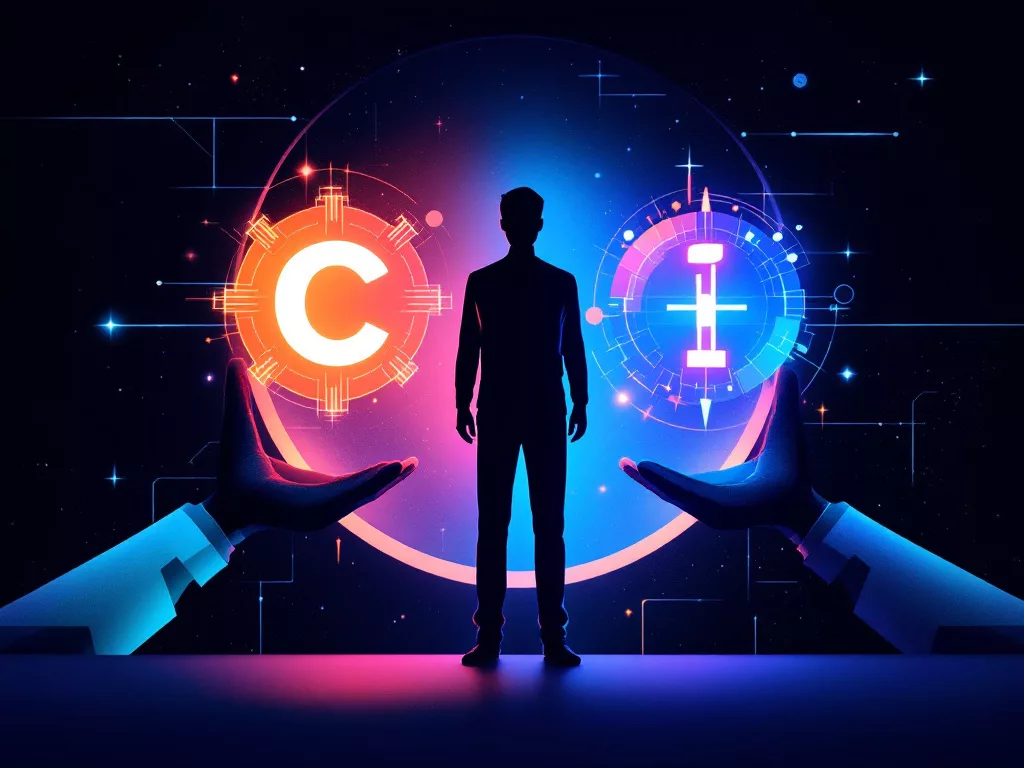
The New York Times is asking a court to sanction OpenAI over training-data discovery; Google now requires advertisers to disclose generative AI use in ads. Two regulatory pincers on the same problem: what "AI-generated" means when the law wants a source of truth.
The facts
Two Medianama reports:
- The New York Times has asked a US court to sanction OpenAI over alleged discovery obstruction in their ongoing copyright suit - specifically around whether ChatGPT's training set was sufficiently preserved and disclosed.
- Google now requires advertisers to disclose generative-AI use in ads placed via YouTube and Discover - pushing the "disclose synthetic" question into the ad supply chain.
Our reading
The NYT sanction motion is procedural but weighty. Discovery preservation is one of the harder legal questions in AI: training runs are massive, non-deterministic, and technically hard to reconstruct after the fact. If OpenAI is sanctioned, expect a chilling effect on other labs' preservation practices - and higher training-data audit costs across the industry.
Google's ad-disclosure rule is the opposite side of the same coin: regulators want a paper trail for synthetic content, and platforms are pre-empting. Meta will follow within a quarter. TikTok already has a version live.
What to watch
The NYT ruling on the sanction motion (a preservation adverse-inference instruction would be the harshest realistic outcome), and whether Google's rule extends to organic YouTube uploads or stays confined to paid ads.
Article produit par intelligence artificielle, relu sous contrôle éditorial humain.
Commentaires (7)
Connectez-vous pour rejoindre la discussion.

sandrine.b 12 Jul 2026 · 05:00
Est-ce qu'on peut utiliser des œuvres protégées pour former des IA sans l'accord des auteurs ?

Alex_London 12 Jul 2026 · 04:49
Comment va-t-on équilibrer innovation et juste rémunération des créateurs ?

Critique42 12 Jul 2026 · 07:12
C'est vrai, les créateurs pourraient se tourner vers des plateformes comme Patreon pour compenser.

J.P.R. 12 Jul 2026 · 04:14
Comment va évoluer l'accès à l'IA pour les petites entreprises ?

ArtLover99 11 Jul 2026 · 17:35
Et les artistes indépendants, dans tout ça ? Leur travail sera-t-il utilisé à leur insu ou correctement rémunéré ?

TravelTom 11 Jul 2026 · 16:19
Et les petits créateurs dans tout ça ? Ils vont se retrouver lésés pendant que les gros se battent pour le copyright ?

ArtLover88 11 Jul 2026 · 16:04
Comment va-t-on concilier l'IA et le droit d'auteur ?

Alex_LDN 11 Jul 2026 · 15:53
Un vrai casse-tête. J'espère qu'ils trouveront un compromis équitable.