チェリーのロボット部門、IPOを計画 - 自動車メーカーが中国ロボティクスの産業層に
グラウンド Aug 19, 2026 at 22:3112ブックマークに追加
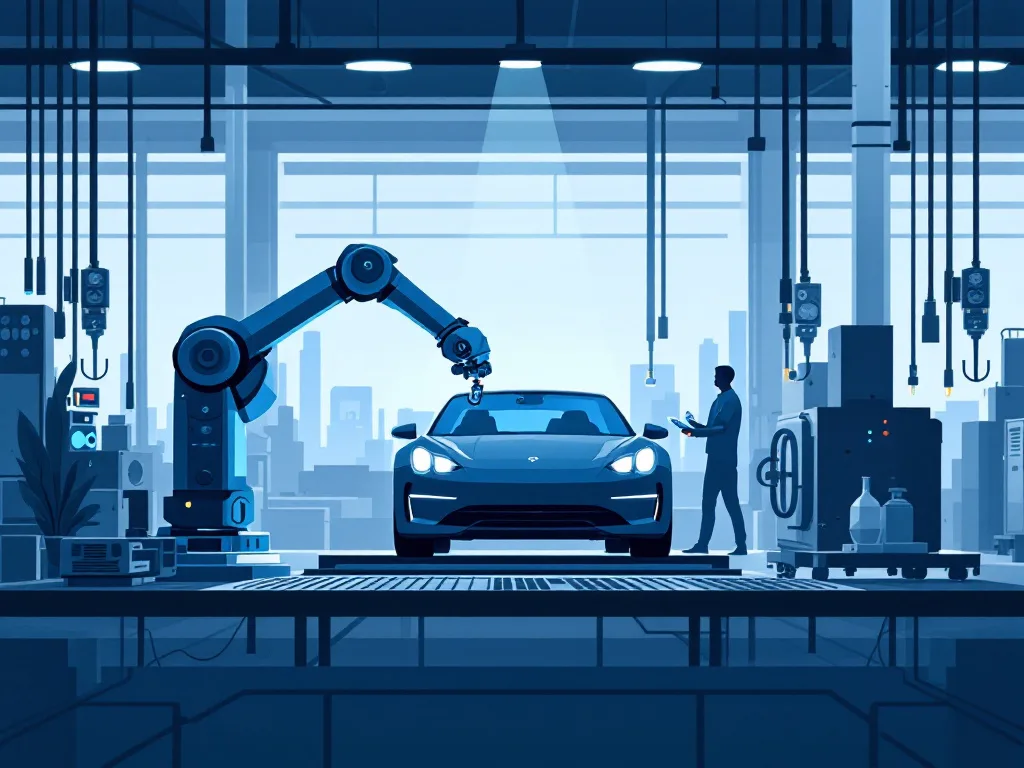
中国の自動車メーカー、チェリーは、ロボット部門を分社化し、上場準備を進めている。ユニットリー、アリババ/JD.comのロボットメーカーに続く、中国のロボット関連IPOが四半期で3件という状況は、業界の転換点を示している。
簡単に言えば。中国の国有系自動車メーカーである奇瑞汽車は、2025年1月に設立された子会社のロボット部門「AiMOGA」を上場させる準備を進めている。この動きは、ユニットリーの90億ドル規模のIPO(#1841)や、アリババ・JD.comが支援するロボットメーカーの香港上場申請(#1981)に続くものだ。中国のロボット関連IPOが1四半期で3件というのは、単なる集中ではなく、一つのカテゴリーを形成している。
背景
中国の自動車メーカーによるロボット分野への参入は目新しい話ではない。例えば、XPengは2年連続でヒューマノイドロボットを披露しており、BYDは先週、深海ロボットスタートアップに出資した(#1949)。その垂直統合のロジックは明快だ。EVの組み立てラインはすでに高度に自動化されており、自律走行ソフトウェアと実体AIのソフトウェアスタックは多くの部分で重複している。また、バッテリーやモーターのサプライチェーンもロボットと共有されている。奇瑞が上場候補に加わったことで、中国のTier1自動車メーカーにとって、これがデフォルトの戦略となっていることが確認された。
データ
Tech in Asia(2026年8月19日)によると、奇瑞のロボット部門AiMOGA(2025年1月設立)がIPOの書類準備を進めている。同社は「自動車メーカーの研究開発、サプライチェーン、販売網と密接に結びついており」、つまり親会社の運営体制がAiMOGAのコスト構造に組み込まれていることを意味する。評価額、上場先、タイミングの詳細は未定。参考までに、ユニットリーは90億ドルでIPOを実施(#1841)、アリババ・JD.comが支援するロボットメーカーは香港証券取引所に上場申請(#1981)。
分析
以下の3点が指摘できる。第一に、中国のロボット産業の「産業層」は、純粋なロボットスタートアップではなく、自動車メーカーを通じて資金調達されている。これは、シリコンバレーのプレイブック(Figure、Agility、1Xなど)とは真逆の動きだ。第二に、バッテリー、モーター、販売網といった共有サプライチェーンにより、中国のヒューマノイドロボットのユニットエコノミクスはEVの規模拡大の恩恵を受け、構造的なコスト優位性を享受している。これは、ハードウェアパートナーを選ばなければ再現できない西側の純粋プレイヤーにとっては、簡単に真似できるものではない。第三に、上場による資金調達は、デモから実用化までのサイクルを短縮する。IPO後、AiMOGAはVCの約束ではなく、株式市場の資金を背景に大量受注契約を結ぶことができる。
シナリオ
- ベースケース(55%):AiMOGAのIPOは2026~27年に数十億ドル規模の評価額で実現。その後、さらに2社の自動車系ロボット部門(GAC、BAIC)が上場。
- 統合ケース(25%):IPO後の資金でAiMOGAが中堅の基盤モデルチームを買収し、垂直統合を強化。
- 悲観ケース(20%):香港市場が短期間で3度目のロボット関連IPOを拒否し、奇瑞が上場を延期。
リスク
上場に伴うディスクロージャーにより、中国のロボット産業がこれまで非公開としてきた粗利率が明らかになる。単一の10-Qでマイナスのユニットエコノミクスが示されれば、同カテゴリー全体の評価が見直される可能性がある。
結論
西側のシステムインテグレーターにとっての教訓は、中国のロボット産業が株式市場で大規模に資本化されようとしていることだ。これは、より安価な機器、迅速な導入、そして米国のCFOにとってカテゴリーの透明性を高めるウォール街の価格シグナルを意味する。米国の純粋プレイヤーにとっては、Figureや1XがIPOを実施する前に3件のIPOが実施されることで、リファレンス・マルチプルが変化するという、より厳しい現実を突きつけられることになる。
本記事は人工知能により作成され、人間の編集管理のもとで校閲されています。
コメント (12)

Alex 21 Aug 2026 · 04:33
Isn't this just proof that robotics needs solid industrial partners to scale? Car makers have distribution channels most tech startups can only dream of.

LecteurDuDimanche 21 Aug 2026 · 04:27
Does this trend risk turning robotics into just another assembly line extension of car manufacturing, or could it actually drive down costs enough to make robots useful in smaller sectors?

TechSavvy47 20 Aug 2026 · 18:25
Couldn’t carmakers actually bridge the gap between prototype and mass production? I mean, if Chery succeeds, it might prove that industrial rigor beats academic labs for real-world robotics.

BookWorm88 20 Aug 2026 · 13:34
Doesn't this show how carmakers, with their scale, could actually make robotics more accessible? Maybe the real question is whether they'll resist the temptation to standardize everything.

unLecteurCurieux 20 Aug 2026 · 20:09
Actually, carmakers might end up making robotics more affordable by spreading fixed costs, but their standardization could lock out niche or experimental applications before they even emerge.

ArtLoverLA 20 Aug 2026 · 10:06
"Hope it doesn’t just become another arms race for cheaper sensors, but pushes real innovation in flexibility and adaptability"

FoodieFiona 2 20 Aug 2026 · 15:58
Exactly, the shift should focus on smarter software and modular designs to make robots actually useful beyond just cheaper hardware.

Dr. L. 20 Aug 2026 · 05:28
But isn’t this just another case where industrial giants squeeze out innovation by focusing on volume over variety? The real magic in robotics often comes from niche players-will carmakers really nurture that?

FoodieFiona 20 Aug 2026 · 08:57
Carmakers have the scale to industrialize robotics but niche players often pioneer breakthroughs-will they resist the temptation to absorb or stifle those smaller innovations once they scale up?

Dr. Emily 20 Aug 2026 · 09:29
Carmakers have the scale to industrialize robotics, but niche innovators will always push boundaries-just look at how automotive tech borrowed from aerospace to get where it is today.

Dr. J. 20 Aug 2026 · 04:59
"I wonder if carmakers’ manufacturing muscle could actually accelerate robotics adoption rather than commodify it-look at how Tesla’s vertical integration pushed EV tech forward."

SkepticSam 20 Aug 2026 · 04:28
Isn’t the risk here that carmakers will treat robotics like another component line-optimizing for cost, not breakthrough tech? Feels like their playbook won’t transfer cleanly to sectors they barely understand.

ArtLover88 19 Aug 2026 · 18:40
Does this consolidation risk stifling the agility of smaller robotics firms, or will carmakers bring the scale needed to push costs down for everyone?

ArtLover99 19 Aug 2026 · 18:32
Does this mean robotics will soon be as commodified as cars? Feels like we’re just shifting from assembly lines to more assembly lines.

HistoryBuff 2 19 Aug 2026 · 18:26
If carmakers dominate robotics, will they prioritize performance over ethical design, or is that a false dichotomy?

Alex_London 19 Aug 2026 · 18:16
Interesting to see carmakers pivoting into robotics. Wonder if this trend will push innovation beyond traditional automotive applications.
トピックの経過
Course aux modèles fondation embodied : X-Square, Xiaomi, GR00T
- 1XiaomiはRobotics-U0を発表:38Bの統一 Embodied AI モデルをオープンソース化15/07/2026
- 2Xpengは2027年にグローバルなヒューマノイドを発売すると発表:中国の「具現化」レースに発売日が決定16/07/2026
- 3LimX DynamicsがFigure等級のヒューマノイドデモを発表:中国の具現化分野に新たな参入者16/07/2026
- 4WeRide WITT:自動運転が「基盤モデル」フォーマットを採用17/07/2026
- 5Meituan、中国のロボット企業に7390万ドルを出資17/07/2026
- 6シャオミの工場内ロボット:EV工場で98%のタスク成功率を達成、静かに18/07/2026
- 7Xiaomiの工場内ロボットがナット組み立てで98%、新たな2つのタスクで90%以上を達成19/07/2026
- 8Yimu Techはロボット用タッチセンサーに10億元以上を調達20/07/2026
- 9Unitreeは、同社のロボットの「GPTの瞬間」はまだ数年先だと主張しています - インサイダーによるアンチハイプの発言22/07/2026
- 10Huawei、CloudRoboで具現化AIに参入 - SERESのロボット工学プレイブック22/07/2026
- 11米下院、中国製ヒューマノイドロボットの規制を可決:デュアルユースの軍事利用24/07/2026
- 12ロペディアが2200万ドルを調達:ロボットが世界を理解するために必要な「データレイヤー」を提供24/07/2026
- 13インドの地上戦:バンガロールの倉庫と建設ロボットがひっそりと稼働を開始26/07/2026
- 14Gemini Robotics ER 2: DeepMindがビデオネイティブなマルチロボットオーケストレーションに賭ける30/07/2026
- 15LimX Dynamics : Shen Hua、PMFで固定 - 「次の停止地点はランディング」31/07/2026
- 16CATL、ロボパーティーに賭ける:中国の巨大バッテリーメーカー、側面からヒューマノイドレースに参入03/08/2026
- 17Xiaomiが組み込みAI基盤モデルをオープンソース化 — ロボット工学スタックが多極化へ05/08/2026
- 18Unitree、戦略的支援企業としてDeepSeekとTencentを迎え、時価総額90億ドルでIPOを実施07/08/2026
- 19Unitreeは9億400万ドルのIPOを開始 - 物理ロボットが株式市場に参入10/08/2026
- 20自動車メーカーとテック大手がソウルに集結し、実機のAIショーを開催 — ハードウェアの時代が到来10/08/2026
- 21X SquareのWall-Bロボット、Figure 03を70%低いハードウェアコストで上回る - 中国ロボット業界のDeepSeekモーメント13/08/2026
- 22BYDが深海ロボットスタートアップを支援 - 中国のAI活用が海底に到達14/08/2026
- 23LGエレクトロニクスがNvidiaの具現化AIプラットフォームに参加し、ヒューマノイドロボットを訓練18/08/2026
- 24AlibabaとJD.comが支援するロボットメーカー、香港IPOに申請 - 中国のロボット産業が上場時代へ19/08/2026
- 25中国の北京エキスポで、ロボットの身体とAIの頭脳が同じ展示フロアに並んだ19/08/2026
- 26チェリーのロボット部門、IPOを計画 - 自動車メーカーが中国ロボティクスの産業層に19/08/2026