攻撃用ドローンが米国の学校に侵入:エッジAIがK-12政策論争に出会う
社会と政策 Jul 19, 2026 at 00:3911ブックマークに追加
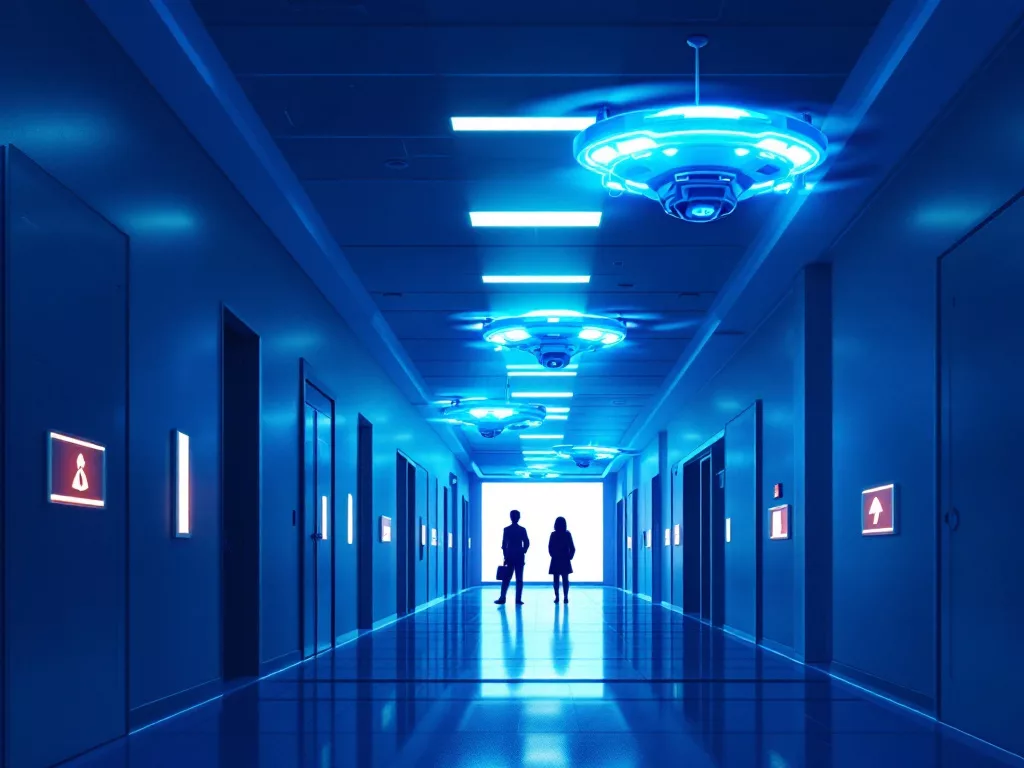
コロラド州の学校、ジョン・アダムズ・アカデミーは、2026年8月の新学期に非致死性ドローンの対応装置を導入する。もはや問題は「機能するかどうか」ではなく、誰が攻撃を許可し、どのような指揮系統の下で実行されるのかということだ。
事実
ETNews(2026年7月16日)によると、アメリカの公立学校であるジョン・アダムズ・アカデミー(コロラド州)が2026年8月の新学期から非致死性(비살상)ドローンを導入すると報じられている。ドローンは以下の機能を備えている:警察へのリアルタイム映像配信、威嚇用サイレンとスピーカー、カプサイシン系刺激物の拡散、そして警察到着までの時間稼ぎのための直接衝突。
当社の見解
アメリカの学校におけるドローン導入の議論は、当初は受動的な監視から始まった。しかし今回の非致死性とはいえ「対応型」装置の導入は、実行権限の問題へと議論を移行させる。誰が起動を決定するのか?学校職員か、遠隔オペレーターか、それとも検知アルゴリズムか?ETNewsの記事では指揮命令系統についての詳細は触れられていない。まさにこの点こそ、アメリカの規制当局が州ごとに明確にしなければならない部分だ。学校内でのテイザー銃の事例は参考になる:法整備の遅れが長年にわたりグレーゾーンを残してきた。
要注目点
- 2026年8月の新学期からのジョン・アダムズ・アカデミーにおける実証実験の結果
- 教職員・保護者団体(NEA、PTA)の立場
- 州ごとの法整備(コロラド州を皮切りに、テキサス州、フロリダ州など)
本記事は人工知能により作成され、人間の編集管理のもとで校閲されています。
コメント (11)

ph1lippe_m 20 Jul 2026 · 06:46
I wonder how this will affect the learning environment. Will students feel safer or more anxious with drones patrolling the school?

EcoWarrior99 19 Jul 2026 · 11:59
I'm concerned about the environmental impact of these drones. What's the carbon footprint of maintaining such a system in every school?

TechSavvy 19 Jul 2026 · 11:54
I'm more worried about the legal implications. Who's liable if a drone malfunctions and causes harm?

LecteurDuDimanche 19 Jul 2026 · 11:22
I wonder how these drones will be programmed to distinguish between real threats and harmless situations. It's a complex issue.

FoodieChicago 19 Jul 2026 · 11:10
I'm curious about the long-term effects on students' behavior. Will they feel more secure or constantly watched?

CriticAtHeart 18 Jul 2026 · 20:51
How will these drones handle situations where students are playing with toy weapons or props for school projects? Potential for chaos.

BookWorm88 18 Jul 2026 · 20:33
I wonder how this will affect students' sense of security and privacy. It's a fine line between safety and surveillance.

ArtLoverLA 18 Jul 2026 · 20:20
This is a slippery slope. Who's to say where this technology will end up?

J.P.R. 3 18 Jul 2026 · 22:47
It's a valid concern, but perhaps we should focus on how to regulate it rather than fear its potential.

Critique42 18 Jul 2026 · 20:13
I'm concerned about the potential for false positives. What if a student's phone or a book is mistaken for a weapon?

Alex_LDN 18 Jul 2026 · 20:06
I'm curious about the AI's decision-making process in these drones. How will it distinguish between real threats and false alarms?

curio_usa 18 Jul 2026 · 20:05
I'm interested in how this tech will handle students with disabilities or special needs. Could it misinterpret their behavior as a threat?


