顔認証スマートロックは機能する — そしてそれは消費者向け生体認証の議論を変える
セキュリティと信頼 Jul 19, 2026 at 00:397ブックマークに追加
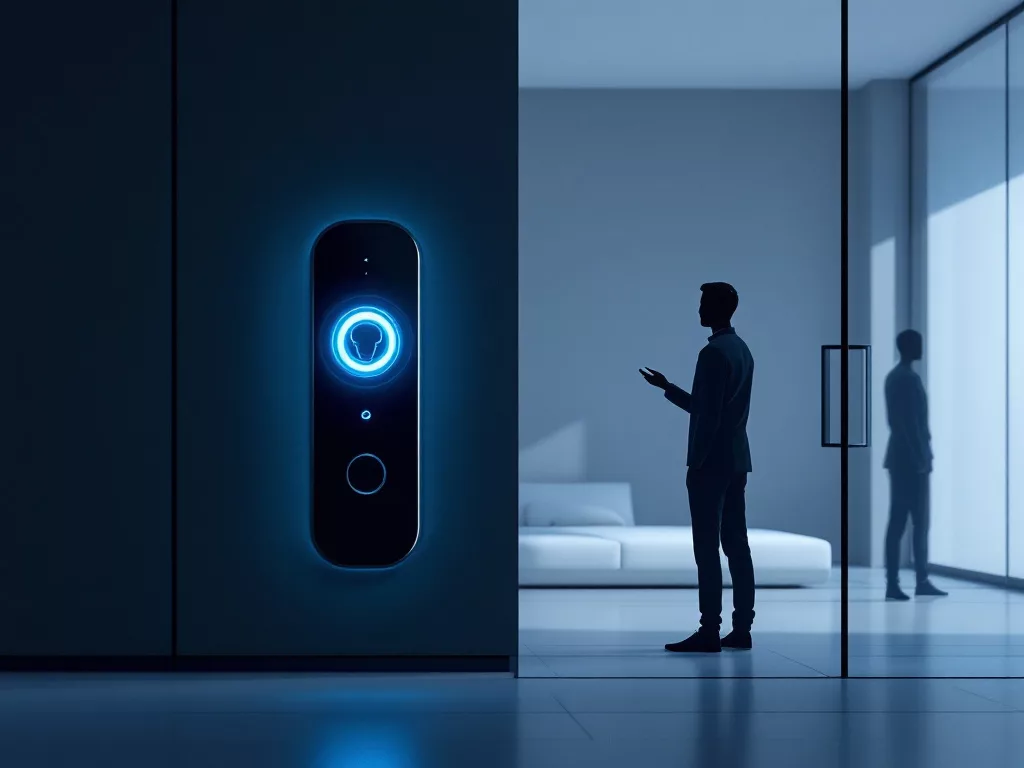
The Vergeは顔認証ロックをテストし、驚くべきことに「機能する」と結論付けた。真の議論は信頼性ではなく、データの扱い方にある。
事実
The Vergeが2026年7月18日に公開した記事によると、顔認証スマートロックのレビューで「Surprise! Facial recognition smart locks are actually good」というタイトルをつけている。同レビューによれば、信頼性は予想以上に高く、摩擦のない開錠が製品の約束どおりに実現されているという。
私たちの考察
一般消費者向け顔認証のセキュリティに関する従来の枠組み(写真によるなりすまし、人口統計的バイアス、誤検知)は、初期のFace IDや低品質のキオスク端末など、不十分に校正されたデバイスに基づいていた。2026年には、専用シリコンに搭載された顔認証スタックが成熟している。Vergeのレビューが示すのは技術的な革命ではなく、一つの反論の終焉だ。真の議論はもはや信頼性ではない。問題は、ロックが顔のテンプレートをどう扱うか(ローカルに保存されるのか?クラウドと同期されるのか?サードパーティに共有されるのか?)という点だ。これらの疑問は契約上の問題であり、技術的な問題ではない。
要注目ポイント
- テストされたモデルごとのテンプレート保存ポリシー(ローカルのみ / クラウド同期 / サードパーティアクセス)
- HomeKit / Matterと生体認証テンプレートの互換性
- GDPR/CCPAの枠組みが変わる、オフィスやコワーキングスペースなどの業務用ユースケース
本記事は人工知能により作成され、人間の編集管理のもとで校閲されています。
コメント (7)

Alex 19 Jul 2026 · 19:45
I'm excited about the potential of facial-recognition smart locks, but I wonder how they'll handle facial changes over time, like aging or significant weight loss.

Dr. Emily 19 Jul 2026 · 12:40
I'm concerned about the data storage and security. Who has access to the facial recognition data and how is it protected?

FoodieChicago 19 Jul 2026 · 12:18
I'm curious about the accuracy in low-light conditions. How well do these locks perform when visibility is poor?

TechSavvy47 19 Jul 2026 · 11:25
I wonder how these locks handle diversity in facial features. Will they work as well for all ethnicities and ages?

Emma_London 18 Jul 2026 · 20:42
What about the environmental impact of these smart locks? Are they really sustainable, or just another tech gadget adding to e-waste?

CriticAtHeart 18 Jul 2026 · 20:37
What about the potential for misuse by law enforcement? Facial recognition locks could easily become a tool for surveillance.

LitLover42 18 Jul 2026 · 22:51
Have you considered the potential for hackers to exploit these locks for unauthorized access?

ArtLover99 18 Jul 2026 · 20:17
I'm concerned about the data usage. Who owns it, and how is it protected?


