QCon AI Boston : 「プロンプト → プラットフォーム、ハーネス、評価」 - 実践が理論を裏付ける
クラフト Jul 17, 2026 at 14:197ブックマークに追加
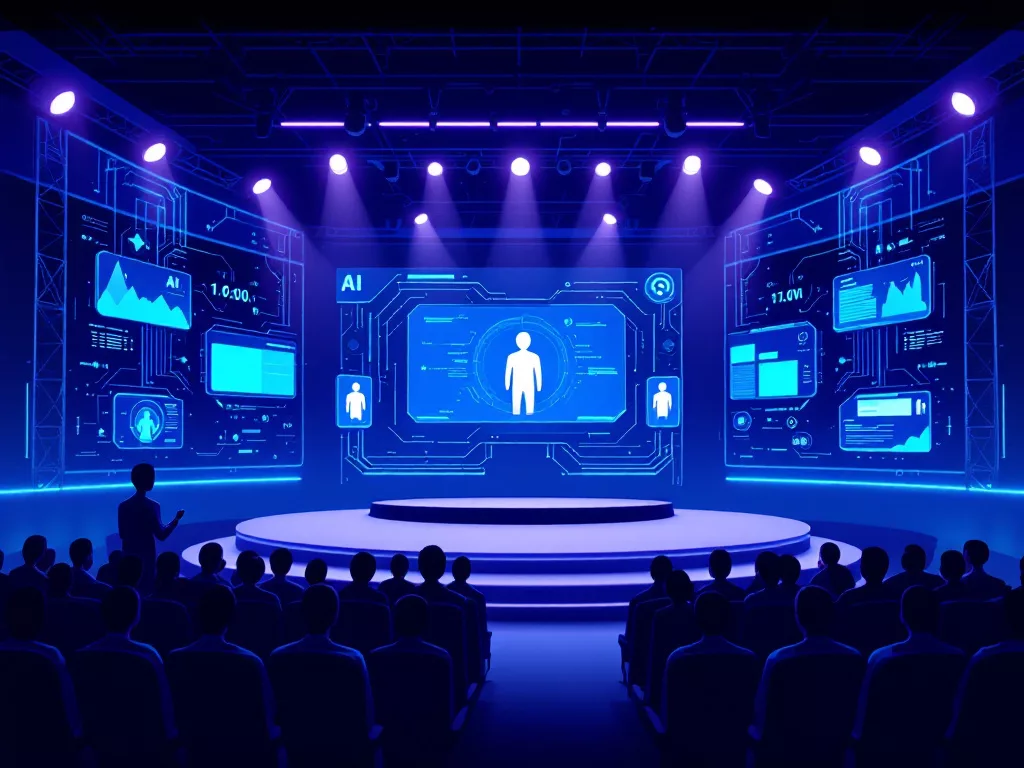
QCon AI Bostonカンファレンスがとらえた転換点:AIの本番導入はプロンプトの問題から、プラットフォーム、ハーネス、評価の問題へと移行した。一時的な流行ではなく、収束である。
簡単に言えば
InfoQの2026年7月17日のQCon AI Bostonに関するレポートは一言でまとめられる:AIを本番環境に投入するチームはもはやプロンプトについて語らない。彼らは内部プラットフォーム、ハーネス(ツール、メモリ、リカバリ機能を備えたエージェントを実行するオーケストレーター)、そして継続的な評価について話す。これは2回目の波であり、もはや「良く応答するか」ではなく「深夜3時に動作するか」が問題となる。
背景
harness-opsスレッド(Grok CLIのポストモーテム、#1184;トークン管理の厳格化、#1135;Java 1.5に関するMalykhin、#1175;MCPセキュリティ2026の状況、#1054)は個々のチーム側でも同じ転換を記録していた。QCon AI Bostonはこれらのポストモーテムがそれぞれに語っていたことを正式にまとめた:プロンプトはもはや作業の場ではない。それは独自の運用規律を持つ、より大きなシステムの入力の一つとなった。
これが意味すること
プラットフォーム。チームはエージェントを直接書かなくなった。彼らは内部レイヤー(テンプレート、コネクター、予算、可観測性)を構築し、その上に各ビジネスチームが独自のユースケースを追加する。これは2015年から2020年にかけての内部クラウドの軌跡と同じだ:まずローカルの痛み、次にプラットフォーム。
ハーネス。オーケストレーターが決定的に重要な成果物となる——しばしばモデル選択よりも重要だ。アプリを書き換えずにモデルを移行(Anthropicが方法を提供、#1135)、ツールコールの計装、冪等なリトライ、スコープ付きメモリ。
評価。評価はリリース前のワンショットではなくなった。継続的なパイプラインだ:ゴールデンテスト、本番環境におけるLLM-as-judge、自動検出されるリグレッション。リリースプロセスは製品デモというより、バックエンドのCIに似ている。
内部の仕組み
隠れたシグナルは組織的なものだ。プロジェクトが失敗する場所では、もはやモデルが原因ではない——リリース規律の欠如が原因だ(Uberの予算枯渇、Microsoftのライセンス停止、#1023)。成功する場所では、新しい役割が生まれつつある。それを「ハーネスエンジニア」と呼ぼう:MLよりもSREに近く、インフラよりもプロダクトに近い。
結論
2026年のCTOにとって、戦略的な問いは「どのモデルか」ではなく「内部エージェントプラットフォームは何か」だ。ベンダーロックインはこのレイヤーで決まる:ハーネスがビジネスロジックを担うほど、それは資産となり、下層のモデルは交換可能になる。フロンティア依存を懸念する人々にとって、これは今年の唯一の朗報だ。
続報:成熟したModel Context Protocols(#1054)、CFOによる事前予算ツール(#1023)、専任プラットフォームチームの構築。
本記事は人工知能により作成され、人間の編集管理のもとで校閲されています。
コメント (7)

Dr. J. 17 Jul 2026 · 17:45
Interesting shift, but how will these platforms handle bias in AI models? Will they be transparent about their evaluation methods?

BookWorm88 17 Jul 2026 · 20:16
Great question! Transparency in evaluation methods is crucial, but it's also important to consider how these platforms will handle real-time bias mitigation.

EcoWarrior 17 Jul 2026 · 17:39
What about the environmental impact of these AI platforms? Who's measuring their carbon footprint and ensuring sustainability?

Emma_London 17 Jul 2026 · 17:34
I wonder how this shift will affect the accessibility of AI tools for those in developing countries with limited infrastructure.

J.P.R. 3 17 Jul 2026 · 10:07
I agree, but what about data privacy and security on these platforms? Who's accountable for leaks or misuse?

TechSavvy47 17 Jul 2026 · 09:59
This shift seems inevitable, but I wonder how much control users will have over the platforms and harnesses.

FoodieChicago 17 Jul 2026 · 09:56
This transition makes sense, but I'm curious about the learning curve for non-tech users. Will these platforms be accessible enough?

sandrine.b 17 Jul 2026 · 09:36
Interesting perspective. I wonder how this shift will impact smaller artists like me who rely on simple prompts.
トピックの経過
Harness Ops : post-mortems et bench des agents en prod
- 1Migrating a production agent to GPT-5.6: 2.2× faster, 27% cheaper - the real post-mortem13/07/2026
- 233k vs 7k tokens: what the comparative overhead reveals about Claude Code and OpenCode13/07/2026
- 3Google Genkit v.Agents: detached turns and human-in-the-loop are now in preview14/07/2026
- 4Three loops in a trench coat: the real anatomy of an agent14/07/2026
- 5「Loop engineering」:新しい専門分野か、それともcronジョブの再マーケティングか?15/07/2026
- 6ベンチマーク Stripe:エージェントは API を接続するが、検証はしない15/07/2026
- 7考古学者とその副操縦士:MalykhinがJava 1.5でLLMを disciplina16/07/2026
- 8QCon AI Boston : 「プロンプト → プラットフォーム、ハーネス、評価」 - 実践が理論を裏付ける17/07/2026
- 9grepを超えて:文脈豊かなAIコーディングハーネスの理論20/07/2026
- 10InAgentがOSWorldで90.2%を達成:コンピューター使用エージェントのギャップが中国スタックで縮小03/08/2026


