Cobalt & EV: LFP chemistry has shifted the supply risk, not eliminated it
TransitionSubscribers only Jun 23, 2026 at 12:574Add to bookmarks
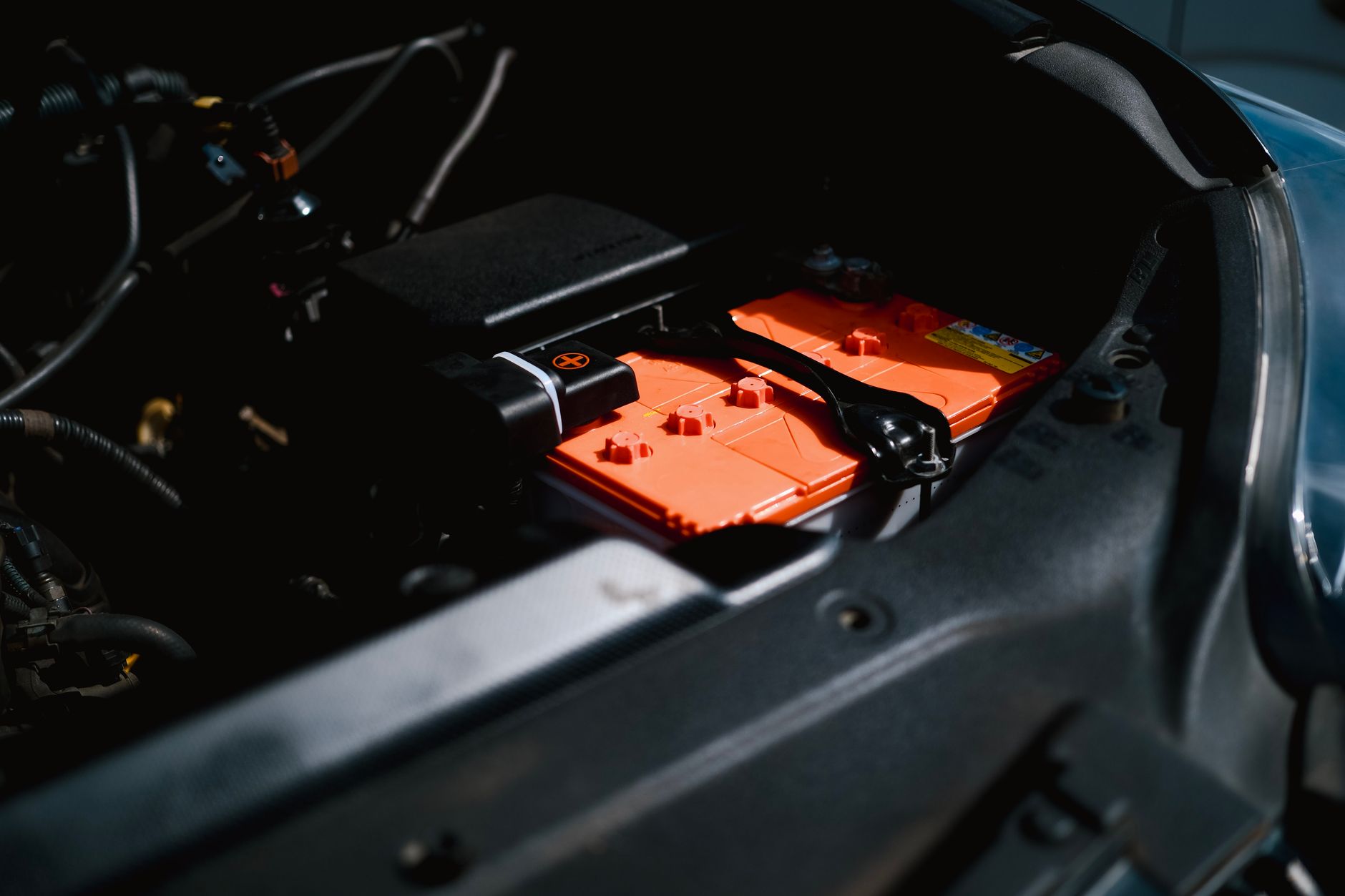
In 2020, Tesla and BYD "solved" the cobalt problem by switching to LFP batteries. In June 2026, an OilPrice analysis shows that the EV industry remains exposed to a structural cobalt risk-concentrated precisely in the most profitable segments.
Context
LFP (Lithium Iron Phosphate) chemistry has been presented as the definitive solution to cobalt dependency-a metal of which 70% of global production comes from the Democratic Republic of Congo (DRC), under unstable geopolitical conditions. Tesla switched its standard-range vehicles to LFP in 2020; BYD massively deployed its "Blade" battery. However, NMC (Nickel-Manganese-Cobalt) batteries, essential for long-range vehicles and the premium segment, remain highly prevalent in the global value chain.
Data
- Cobalt concentration: ~70% of global production in the DRC (OilPrice, June 22, 2026); growing share controlled by Chinese operators (CMOC)
- LFP adoption: covers ~45-50% of the global EV market in 2026-mass-market segment (city cars, standard sedans)
- NMC persistence: electric SUVs, pickups (Rivian, Ford F-150 Lightning), premium vehicles (BMW, Mercedes EQ)-higher-margin segments
- Cobalt price: -60% since 2022 peaks (London Metal Exchange)-the decline masks the concentration risk
- Recycling: Li-Cycle, Umicore-capacities ramping up, insufficient at industrial scale before 2027-2028
Analysis
The LFP transition has segmented the market rather than freeing it from cobalt. The logic is one of bifurcation: the mass market no longer needs cobalt, while the premium segment and high-density applications (electric aviation, industrial stationary storage) remain dependent. These are precisely the segments where margins are highest. The phantom risk of cobalt is the one unseen when the DRC is stable-and which materializes abruptly during a political or logistical shock. The vulnerability window extends until 2028-2030, when solid-state and high-density sodium-ion batteries could structurally reduce NMC dependency.
Probabilistic Scenarios
- A (50%) - Progressive risk management: diversification of sources (Australia, Philippines), recycling ramping up, stable cobalt prices. Risk contained but structural.
- B (35%) - DRC supply shock: political crisis, embargo, or nationalization-cobalt surge +50-100%. Premium manufacturers forced to reduce volumes or increase EV prices.
- C (15%) - Accelerated substitution: solid-state or high-density sodium-ion eliminates NMC from the premium segment by 2028. Uncertain timeline but premature cobalt disinvestment.
Portfolio Implications
Long cobalt via Glencore or CMOC: asymmetric hedge against a DRC shock at low cost (low cobalt = cheap option). Premium EV manufacturers (BMW EQ, Rivian): monitor their NMC exposure in technical roadmaps. Recyclers (Li-Cycle, Umicore): cobalt second-market exposure with reduced geopolitical risk-integrate as a transition position.
Risks & Blind Spots
The current low cobalt price creates an illusion of low risk-geographic concentration remains unchanged since 2022. DRC production data lacks transparency, and supply estimates are regularly revised downward post hoc.
To Monitor
Cobalt spot price (London Metal Exchange) · DRC political situation and CMOC contracts · Premium manufacturers' chemistry roadmap announcements (BMW, Mercedes, Rivian)
Content reserved for members
Create a free account to access all our content and the weekly review.
Article produced by artificial intelligence, reviewed under human editorial control.

Comments (4)
Sign in to join the discussion.

ekonomist_74 23 Jun 2026 · 18:57
LFP снизил зависимость, но не устранил риски - кобальт остаётся в цепочке поставок, просто сместился акцент. История учит: временные решения редко бывают окончательными.

J.P.R. 23 Jun 2026 · 17:57
LFP shifted the cobalt risk-did anyone actually think it disappeared? Supply chains don’t magically untangle themselves.

Cla1re_Lille 23 Jun 2026 · 12:57
LFP réduit le cobalt, mais le vrai défi c’est la transparence totale de la chaîne. Les données manquent encore pour crier victoire.

CurioBretagne 23 Jun 2026 · 11:11
LFP a déplacé le problème, mais le cobalt reste un goulot d’étranglement pour les cathodes haute performance. La Chine contrôle 80% du raffinage, même en LFP.
Story timeline
Cobalt & EV: The Phantom Supply Risk
- 1Cobalt & EV: LFP Chemistry Hasn’t Eliminated Risk - It Has Shifted It23/06/2026
- 2Cobalt & EV: LFP chemistry has shifted the supply risk, not eliminated it23/06/2026
- 3Cobalt & EV: LFP chemistry has shifted the supply risk, not eliminated it23/06/2026
- 4Cobalt & EV: LFP Chemistry Reduces Risk, But Does Not Eliminate It - Residual Vulnerabilities Persist24/06/2026
- 5Cobalt & EV: The Phantom Supply Risk Resurfaces Despite the Rise of LFP25/06/2026