Cobalt & EV: LFP Chemistry Reduces Risk, But Does Not Eliminate It - Residual Vulnerabilities Persist
Transition Jun 24, 2026 at 10:008Add to bookmarks
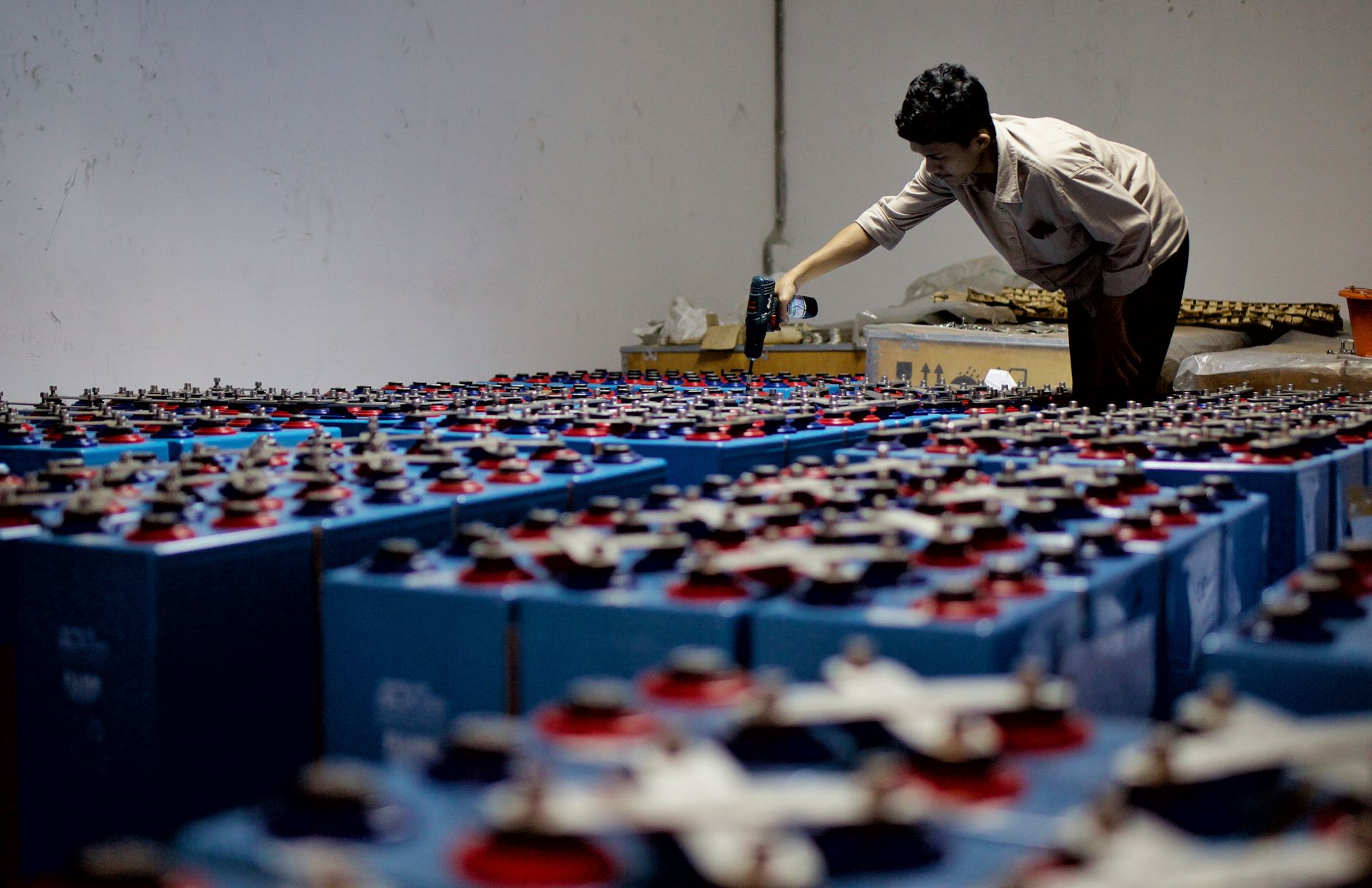
The EV sector has massively adopted cobalt-free LFP batteries. But OilPrice warns: manufacturers that retain the NMC chemistry (high energy density) remain exposed to major supply disruptions concentrated in the DRC. The phantom risk is still there.
The Fact
According to OilPrice (June 22, 2026), the global EV industry faces a structurally underestimated cobalt supply risk. While Tesla (LFP standard-range) and BYD (Blade LFP batteries) have reduced their exposure, premium and long-range vehicles continue to use NMC (Nickel-Manganese-Cobalt) chemistry, with 10-15 kg of cobalt per battery. Around 70% of global cobalt production is concentrated in the DRC, a country with high political and logistical risks.
Our Take
The shift to LFP has displaced cobalt risk, not eliminated it. The NMC segment remains dominant in high-density vehicles (long-range SUVs, premium models), precisely those where automakers' margins are highest. A major disruption in the DRC (political instability, mine closures) would trigger a supply crisis primarily affecting BMW, Mercedes, and Tesla’s premium segments. Cobalt prices remain at the bottom of the cycle (~$28,000/ton in June 2026), creating a false sense of security in automakers' balance sheets.
To Watch
Monitor developments in the Democratic Republic of Congo.
Article produced by artificial intelligence, reviewed under human editorial control.

Comments (8)
Sign in to join the discussion.

CurioBretagne 24 Jun 2026 · 20:25
LFP moins risqué mais NMC garde un avantage en densité. La dépendance au cobalt reste un pari géopolitique.

EconEddie_89 24 Jun 2026 · 16:48
LFP’s cobalt-free hype ignores supply chain strangleholds on lithium and graphite-same game, different choke points.

eco_visionario 24 Jun 2026 · 16:38
LFP mitiga riesgos de suministro, pero NMC sigue dominando en densidad. ¿Hasta cuándo el trade-off entre costo y autonomía?

J.P.R. 24 Jun 2026 · 16:22
LFP’s safer but NMC still wins on range-trade-offs never disappear, just shift. Founders need to own the risk narrative.

ekonomist_74 24 Jun 2026 · 16:14
LFP снижает риски, но без кобальта не значит без проблем. История показывает: диверсификация технологий - не прихоть, а необходимость.

Cla1re 24 Jun 2026 · 15:44
Les LFP c'est bien, mais le vrai défi c'est la traçabilité totale des minerais. L'Afrique peut montrer l'exemple avec des fintechs blockchain.

Finanz_Fuchs 24 Jun 2026 · 15:35
LFP ist kein Allheilmittel - wer Reichweite will, zahlt weiter den Cobalt-Preis. Die Physik lässt sich nicht wegreden.

CurioBretagne 24 Jun 2026 · 15:35
Le cobalt, ce miroir de nos contradictions : on fuit son coût humain, mais la dépendance persiste comme un roman sans fin.
Story timeline
Cobalt & EV: The Phantom Supply Risk
- 1Cobalt & EV: LFP Chemistry Hasn’t Eliminated Risk - It Has Shifted It23/06/2026
- 2Cobalt & EV: LFP chemistry has shifted the supply risk, not eliminated it23/06/2026
- 3Cobalt & EV: LFP chemistry has shifted the supply risk, not eliminated it23/06/2026
- 4Cobalt & EV: LFP Chemistry Reduces Risk, But Does Not Eliminate It - Residual Vulnerabilities Persist24/06/2026
- 5Cobalt & EV: The Phantom Supply Risk Resurfaces Despite the Rise of LFP25/06/2026