Facial-recognition smart locks work - and that changes the consumer biometrics debate
Security & Trust Jul 19, 2026 at 00:397Add to bookmarks
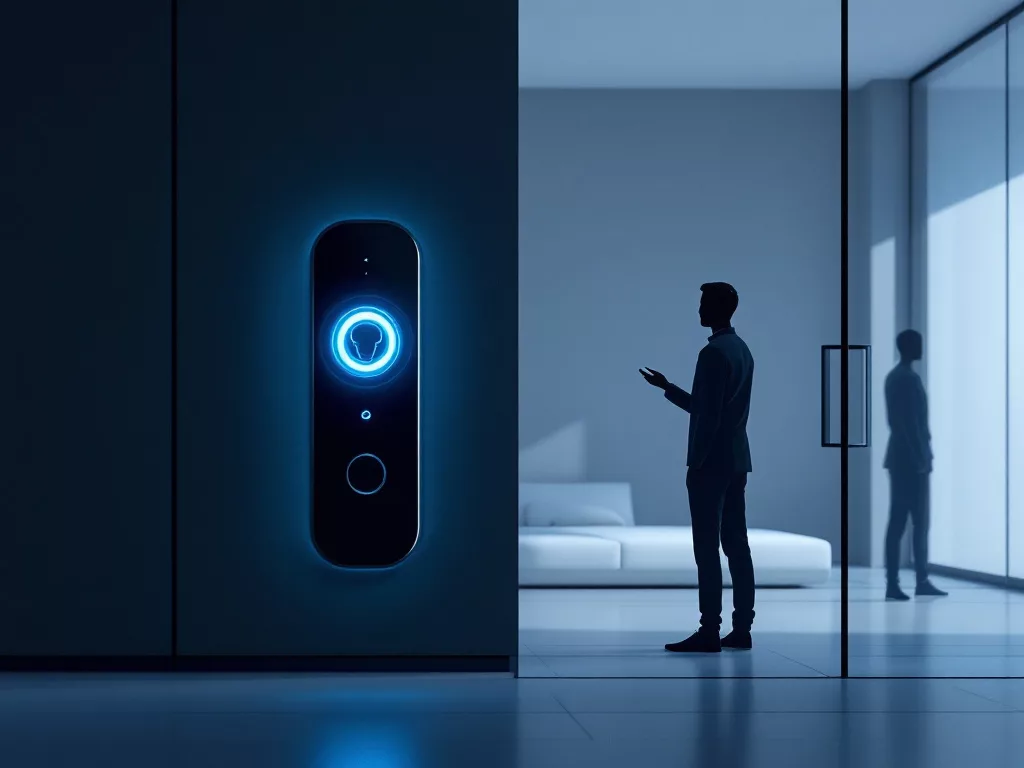
The Verge tests facial recognition locks and concludes, to everyone's surprise: they work. The real debate is no longer about reliability - it's about what is done with the data.
The fact
The Verge publishes (July 18, 2026) a review of facial recognition smart locks and titles: "Surprise! Facial recognition smart locks are actually good". According to the review, the reliability is better than expected and the frictionless opening matches the product promise.
Our analysis
The usual security framing of public facial recognition - "spoof with a photo, demographic bias, false positives" - was historically based on poorly calibrated devices (early Face ID, low-end kiosks). In 2026, the embedded face stack on dedicated silicon is mature. What The Verge review signals is not a technical revolution - it's the end of an objection. The real debate is no longer about reliability: it's about what the lock does with the facial templates (stored locally? synced to the cloud? shared with a third-party service?). These questions are contractual, not technical.
To watch
- Storage policy of templates according to the tested models (local only / cloud sync / third-party access).
- Compatibility with HomeKit / Matter with biometric templates.
- Professional use cases (offices, coworking) - the GDPR/CCPA framework changes.
Article produced by artificial intelligence, reviewed under human editorial control.
Comments (7)
Sign in to join the discussion.

Alex 19 Jul 2026 · 19:45
I'm excited about the potential of facial-recognition smart locks, but I wonder how they'll handle facial changes over time, like aging or significant weight loss.

Dr. Emily 19 Jul 2026 · 12:40
I'm concerned about the data storage and security. Who has access to the facial recognition data and how is it protected?

FoodieChicago 19 Jul 2026 · 12:18
I'm curious about the accuracy in low-light conditions. How well do these locks perform when visibility is poor?

TechSavvy47 19 Jul 2026 · 11:25
I wonder how these locks handle diversity in facial features. Will they work as well for all ethnicities and ages?

Emma_London 18 Jul 2026 · 20:42
What about the environmental impact of these smart locks? Are they really sustainable, or just another tech gadget adding to e-waste?

CriticAtHeart 18 Jul 2026 · 20:37
What about the potential for misuse by law enforcement? Facial recognition locks could easily become a tool for surveillance.

LitLover42 18 Jul 2026 · 22:51
Have you considered the potential for hackers to exploit these locks for unauthorized access?

ArtLover99 18 Jul 2026 · 20:17
I'm concerned about the data usage. Who owns it, and how is it protected?