SpaceX Publishes Its Financials on X: Musk’s Model of Selective Transparency and Its Implications for Shareholders
Defense Jun 23, 2026 at 04:284Add to bookmarks
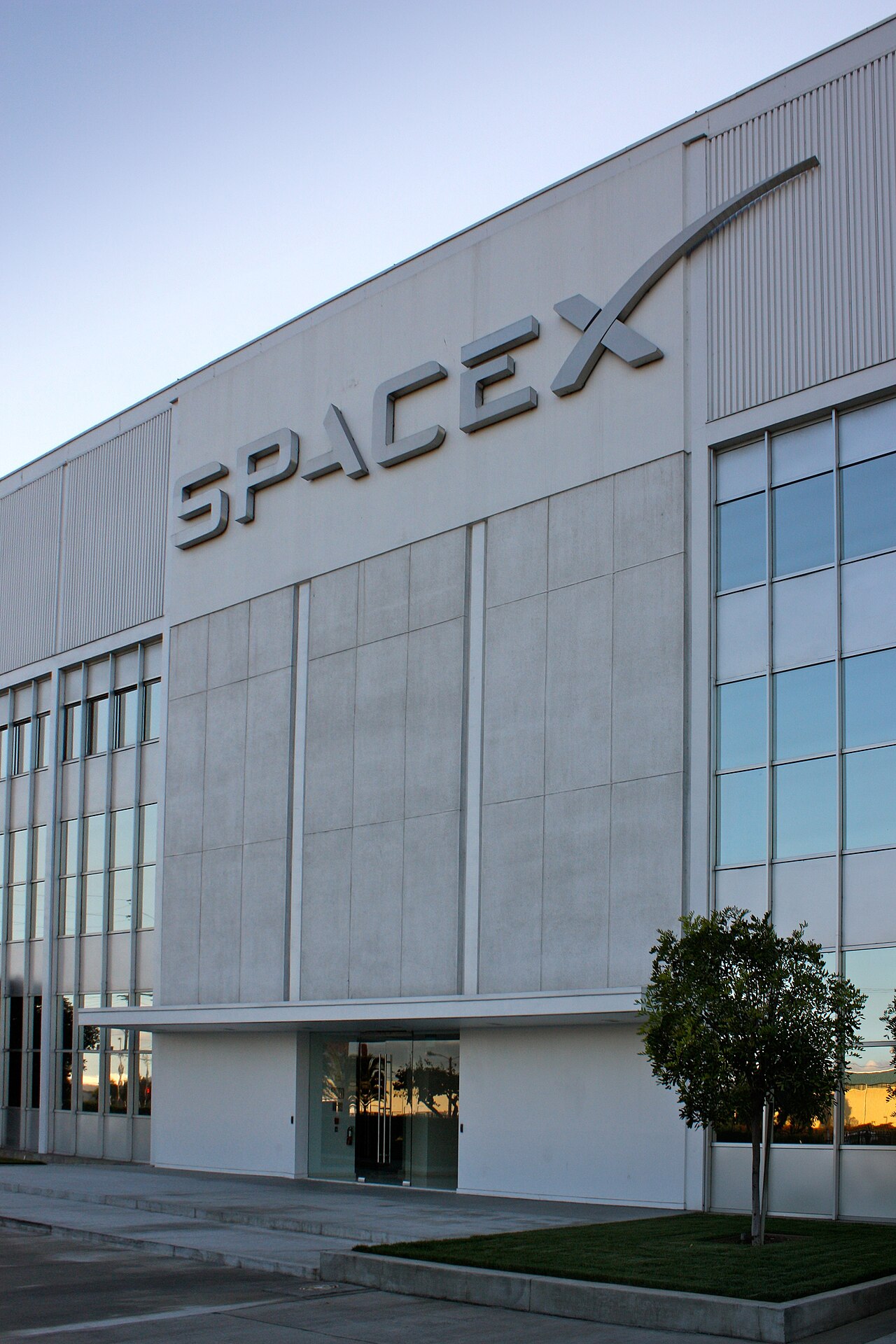
SpaceX has confirmed that it will now publish its results exclusively on X (formerly Twitter) and its website, avoiding traditional institutional channels. A choice that raises legitimate questions about governance-and what it reveals about Musk's strategy toward the markets.
The Fact
SpaceX has announced that it will now communicate its financial results solely via X (formerly Twitter) and its own website-bypassing institutional press distribution services (PR Newswire, BusinessWire) and traditional investor conferences. The company, valued at ~$350 billion during its last secondary funding round (market data, 2025), remains unlisted but has thousands of shareholders through private funding rounds and employee stock programs.
The decision aligns with Musk’s strategy of controlling the narrative: by publishing directly on X-which he owns-Musk ensures that the first point of contact for SpaceX’s financial information is his own platform, without intermediation from traditional press agencies.
Our Take
For institutional shareholders (private equity funds, family offices) holding SpaceX shares via SPVs or secondary funds, this change is formally benign: SpaceX is not subject to SEC disclosure requirements for listed companies (no Form 10-K, no 8-K). The transparency it provides is voluntary.
The real signal is strategic: Musk is consolidating around his entities (Tesla, SpaceX, xAI, X) a closed information ecosystem where he controls the timing, format, and distribution of financial data. For secondary investors buying SpaceX shares on markets like Forge Global or Nasdaq Private Market, information asymmetry worsens. Secondary transactions often occur at outdated valuations-without real-time access to operational KPIs (Falcon 9 launch cadence, Starlink revenue, EBITDA).
This is a governance red flag for any private investor considering exposure to SpaceX: the lack of regulatory disclosure constraints gives Musk total leverage over the timing and content of financial communication.
To Watch
- Announcements of a potential Starlink IPO-the most financially transparent segment of the ecosystem.
- Evolution of valuations on private secondary markets (Forge Global, Nasdaq Private Market).
- SEC decisions on disclosure obligations for large private companies (2,000-shareholder threshold, Rule 12g).
Article produced by artificial intelligence, reviewed under human editorial control.

Comments (4)
Sign in to join the discussion.

EconEddie_89 23 Jun 2026 · 13:28
Musk’s ‘transparency’ is just another layer of narrative control-less SEC scrutiny, more meme-driven volatility. Classic.

le_sage_du_nord 23 Jun 2026 · 10:50
Musk’s playing the long game-betting retail investors care more about vibes than 10-Ks. But what do I know?

ekonomist_74 23 Jun 2026 · 08:08
Если данные публикуются только на X, как быть инвесторам без доступа к платформе? Риск информационного неравенства растёт, а это уже вопрос регулирования.

CurioBretagne 23 Jun 2026 · 02:28
Transparence sélective ou optimisation des coûts ? Les actionnaires vont devoir suivre X de près, au risque de rater l’info.
Story timeline
SpaceX: Governance, Financial Transparency, and Investor Access
- 1SpaceX Publishes Its Financials on X: Musk’s Model of Selective Transparency and Its Implications for Shareholders23/06/2026
- 2SpaceX on the Stock Market: Is It Still Time to Invest - and How?23/06/2026
- 3SpaceX-Tesla Merger at $5 Trillion: The Predictive Markets Scenario and What It Really Reveals23/06/2026
- 4SpaceX loses $600B in three sessions: debt forces transparency the stock market failed to secure23/06/2026
- 5SpaceX loses $900 billion since its peak: debt forces transparency the stock market had not achieved23/06/2026
- 6SpaceX: $600 to $900 Billion in Valuation Wiped Out - The Brutal Return of Gravity24/06/2026
- 7SpaceX Loses $900B Since Its ATH: Lockup Expiry, Opaque Governance, and Ignored Risk Premium25/06/2026
- 8SpaceX: The Mega Leap Deal and the Never-Resolved Question of Governance29/06/2026