Dollar at 13-month high: yen and yuan sliding, Asian emerging markets under pressure
Macro Jun 24, 2026 at 18:048Add to bookmarks
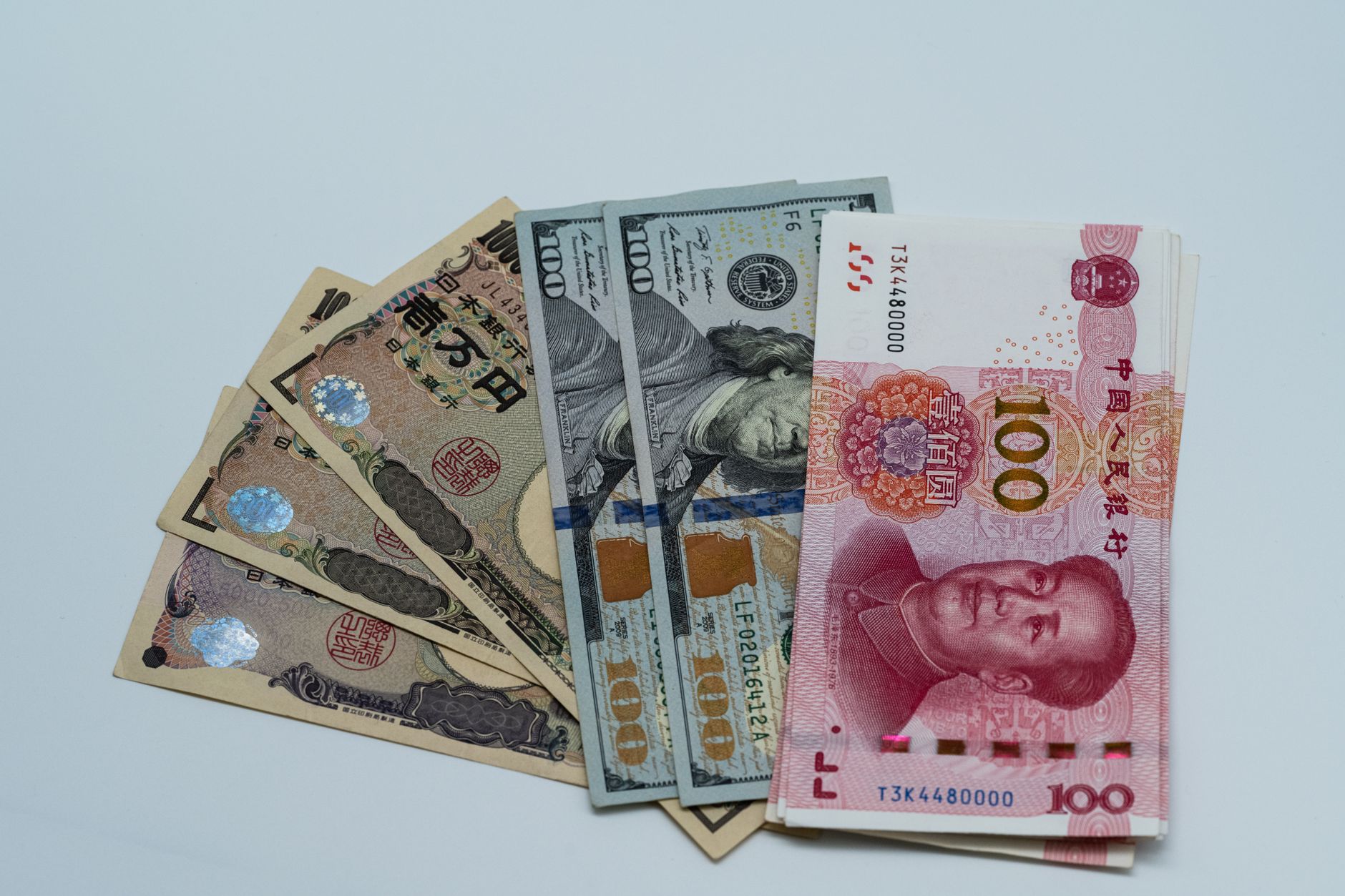
The DXY at a 13-month high increases pressure on the yen and the yuan. Asian emerging markets are suffering. An FX signal that reinforces the thesis of a prolonged strong dollar cycle under Warsh.
The Fact
On June 24, 2026, the Dollar Index (DXY) reached its highest level in 13 months, forcing the Japanese yen (USD/JPY: 155-157) and the Chinese yuan to depreciate further (Investing.com, June 24, 2026). Asian equity and bond markets declined in parallel (Yahoo Finance, June 23). This movement reflects the hawkish repricing of the Fed under Kevin Warsh-Goldman Sachs now pushes back the first US rate cut to Q1 2027.
Our Analysis
A rising DXY poses a double constraint for Asia: it increases the cost of USD-denominated commodity imports and weighs on capital flows to emerging markets. For the BOJ, which is cautiously normalizing rates, a yen at 155-157 approaches the verbal intervention threshold (160 USD/JPY). Paradoxically, BOJ normalization should strengthen the yen, but the US/Japan yield differential of ~475 bps maintains pressure. The most vulnerable emerging markets (Indonesia, India, Thailand) see their credit spreads widen. For international portfolios: a strong dollar penalizes unhedged non-dollar assets.
To Monitor
DXY: technical resistance at 106-107. BOJ meeting on July 31-a key signal on the yen. USD/JPY level of 160: likely intervention threshold. Asian emerging market ETF flows (EEM, VWO).
- **DXY at 13-month high** (June 24, 2026), pressuring JPY and CNY.
- **Fed repricing** delays first rate cut to Q1 2027 (Goldman Sachs).
- **BOJ normalization** vs. **US yield differential (~475 bps)**-yen under pressure.
- **Emerging markets (ID, IN, TH)** see widening credit spreads.
- **Portfolio impact**: strong USD hurts unhedged non-dollar assets.
Article produced by artificial intelligence, reviewed under human editorial control.

Comments (8)
Sign in to join the discussion.

CurioBretagne 25 Jun 2026 · 07:14
Le dollar roi, et l'Asie en otage ? Comme en 1997, mais cette fois sans filet. La finance a la mémoire courte, les peuples moins.

Econo_Hans 24 Jun 2026 · 20:24
Dollar sterk? Ja, tot de Fed wakker schrikt en de bubbel doorprikt. Geniet van het feestje, Azië betaalt de rekening.

ekonomist_74 24 Jun 2026 · 17:19
Сильный доллар - не тренд, а следствие дисбалансов. Без структурных реформ в Азии давление останется, несмотря на спекуляции.

tessa_london 24 Jun 2026 · 16:58
Strong dollar cycle makes sense on paper, but how much pain can Asian markets take before central banks step in? Feels like a pressure cooker.

J.P.R. 24 Jun 2026 · 16:57
Strong dollar narrative is convenient until the Fed blinks. What’s the exit plan for Asia’s debt binge?

J.P.R. 24 Jun 2026 · 16:52
Dollar dominance is real-EM Asia’s pain is just getting started. Buckle up, this ride’s not over yet.

the_contrarian 24 Jun 2026 · 16:49
Dollar strength narrative is getting tired-when does the Fed pivot reality kick in?

EconEddie_89 24 Jun 2026 · 16:04
DXY at 13-month highs? Shocking. Meanwhile, the Fed’s still playing Jenga with rate cuts. Warsh’s thesis holds until the data says otherwise-spoiler: it hasn’t.
Story timeline
BOJ: Monetary Normalization and JPY Carry Trade Risk
- 1Dollar at 13-month high: yen and yuan sliding, Asian emerging markets under pressure24/06/2026
- 2BOJ June 2026: Majority Supports Rate Hikes - JPY Carry Trade in the Eye of the Storm24/06/2026
- 3BOJ hawkish confirmed, dollar at 13-month high: JPY carry trade enters turbulence zone25/06/2026
- 4BOJ: pro-rate hike consensus confirmed, JPY carry trade remains in maximum turbulence zone25/06/2026
- 5Japanese Banks: The Flight from JGBs as the BOJ Withdraws25/06/2026
- 6Tokyo: Inflation and BoJ signals validate October hike - JPY carry trade in the red26/06/2026
- 7Japan: Government "Encourages" BoJ – Coded Signal Ahead of July Meeting29/06/2026
- 8BoJ: Japanese government incorporates "appropriate monetary policy" - signal strengthens ahead of July29/06/2026
- 9Yen at 40-year low: BoJ countdown begins30/06/2026
- 10Yen at 40-Year Low: BoJ's Countdown Begins01/07/2026