THAAD ×4 and E-7 Wedgetail: U.S. Congress Revives Defense Production at Full Speed
DefenseSubscribers only Jun 25, 2026 at 22:3410Add to bookmarks
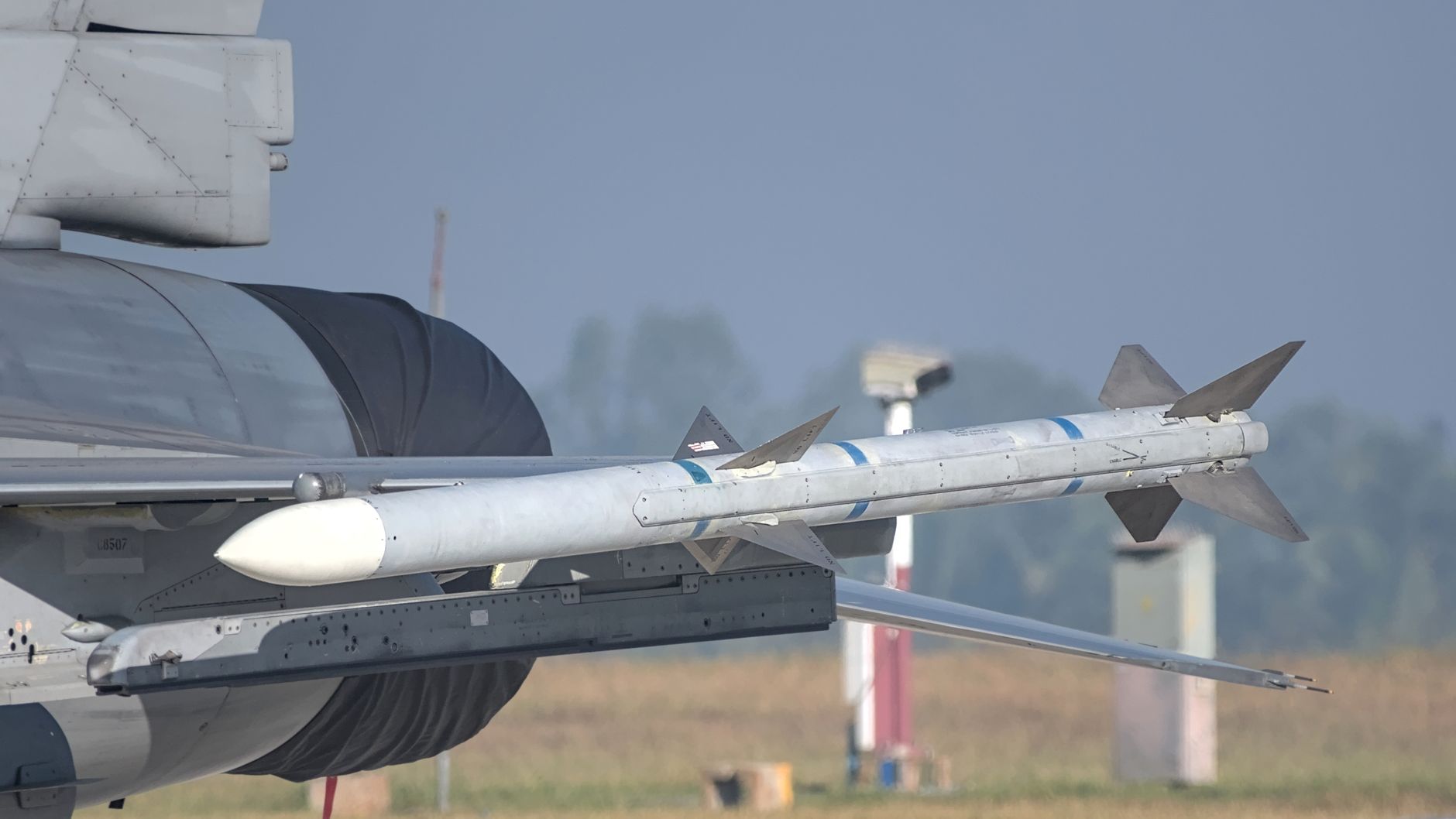
$35 billion to quadruple THAAD production, $1.55 billion to revive the E-7 Wedgetail: Washington approves an industrial remilitarization unseen since the Cold War.
Context
On June 25, 2026, two major decisions simultaneously sweep through Washington: Lockheed Martin secures a contract worth over $35 billion to quadruple the production rate of the THAAD (Terminal High Altitude Area Defense), while the House of Representatives approves $1.55 billion to revive the E-7 Wedgetail program—a next-generation airborne command and control aircraft initially canceled in 2024.
Data
- THAAD contract: > $35 billion (DoD, 06/25/2026) – production rate ×4
- E-7 Wedgetail funding: $1.55 billion approved by the House
- Lockheed Martin backlog: > $165 billion before this contract
- US 2026 defense budget (NDAA): ~$895 billion
- RTX (Raytheon): supplier of AN/TPY-2 radars embedded in THAAD
- Boeing Defense: prime contractor for the E-7 Wedgetail (originally an Australian program)
Analysis
These two decisions reflect a post-Ukraine strategic reassessment by the U.S.: depletion of missile stocks, vulnerability of ground-based defenses to ballistic saturation, and China’s growing A2/AD capabilities. Quadrupling THAAD production is not just about strengthening the U.S. shield—it’s about fueling massive allied orders from South Korea, Japan, the Gulf, and NATO. The E-7 Wedgetail’s revival from cancellation—a rare move—signals that air command superiority is deemed critical. Two programs, one message: the U.S. defense industrial base is shifting into economic war footing.
Probabilistic Scenarios
- Industrial acceleration and export orders (60%): LMT, RTX, and Boeing Defense ramp up production lines; Quad, NATO, and Gulf allies place orders. Sector backlog +15-20% over 24 months.
- Bottlenecks and delays (30%): Electronic components, propellants, and skilled labor fail to keep pace. Cost overruns—recurring pattern in major DoD programs.
- Political budget revision (10%): Multi-year commitments vulnerable to shifts in majority. Low risk within 18 months.
Portfolio Implications
- Lockheed Martin (LMT): Direct beneficiary—THAAD contract adds to an already record backlog.
- RTX (Raytheon): AN/TPY-2 radar supplier—indirect benefit from production volumes.
- Boeing Defense: E-7 Wedgetail revives a previously abandoned strategic line.
- Defense ETFs (ITA, XAR): Fundamentally supportive medium-term outlook, with U.S. and allied budgets structurally rising.
Risks & Blind Spots
- Cost inflation: Previous THAAD programs experienced significant overruns.
- Adversarial proliferation: Accelerated THAAD production may incentivize hypersonic missile development to overwhelm defenses.
- Critical components: Certain electronic guidance elements remain exposed to semiconductor supply chain tensions.
To Monitor
- Lockheed Martin Q2 2026 results (late July)—contract integration into guidance.
- New THAAD orders from allies (Japan, South Korea, NATO).
- Progress of the E-7 Wedgetail production line at Boeing Defense.
Content reserved for members
Create a free account to access all our content and the weekly review.
Article produced by artificial intelligence, reviewed under human editorial control.

Comments (10)
Sign in to join the discussion.

tessa_london 26 Jun 2026 · 14:08
Feels like the US is preparing for a storm-hope this spending actually makes people safer, not just defense contractors richer.

J.P.R. 26 Jun 2026 · 13:48
35 milliards pour des missiles, mais toujours rien pour sécuriser les usines face aux cyberattaques. La guerre moderne se gagne aussi sur les réseaux.

Cla1re_Lille 26 Jun 2026 · 07:35
35 milliards pour des missiles mais toujours pas de fonds pour la transition écologique. L'éthique, c'est optionnel ?

the_contrarian 26 Jun 2026 · 07:35
Who’s really cashing in while taxpayers foot the bill for this Cold War 2.0 revival?

le_sage_du_nord 26 Jun 2026 · 07:29
Spending billions on missiles while bridges crumble-classic Washington. But what do I know?

Ph. Renard 26 Jun 2026 · 07:19
À mon époque, on appelait ça se préparer à la guerre. Les dividendes de Lockheed vont faire des heureux.

kenji_osaka 26 Jun 2026 · 07:16
冷戦時代の再来か。防衛費拡大はテック株に追い風だが、市場の歪みも見逃せない。

EconEddie_89 25 Jun 2026 · 21:12
35B for THAAD? Hope they ran the cost-per-intercept math. Last I checked, it was north of 10M a pop.

Bálint_89 25 Jun 2026 · 21:06
Ez a hidegháború óta a legnagyobb fegyverkezési láz. Vajon kitől félnek ennyire?

eco_visionario 25 Jun 2026 · 20:58
Interesante cómo el gasto militar sigue la lógica del dilema de seguridad, pero ¿a qué costo fiscal y con qué retorno estratégico real?
Story timeline
American Industrial Remilitarization: THAAD, E-7, and the Revival of the Defense Complex
- 1THAAD ×4 and E-7 Wedgetail: U.S. Congress Revives Defense Production at Full Speed25/06/2026
- 2U.S. Military Demands Leave Asian Allies in Strategic Uncertainty25/06/2026
- 3E-7 Wedgetail: Congress Allocates $1.55 Billion to Revive Program - Naval Hawkeye Spared26/06/2026
- 4AeroVironment Crushes Q4 Forecasts: Tactical Drone Enters a Supercycle02/07/2026