The phantom cobalt: the EV sector believes it has freed itself from it, but the supply risk remains intact
TransitionSubscribers only Jun 23, 2026 at 02:454Add to bookmarks
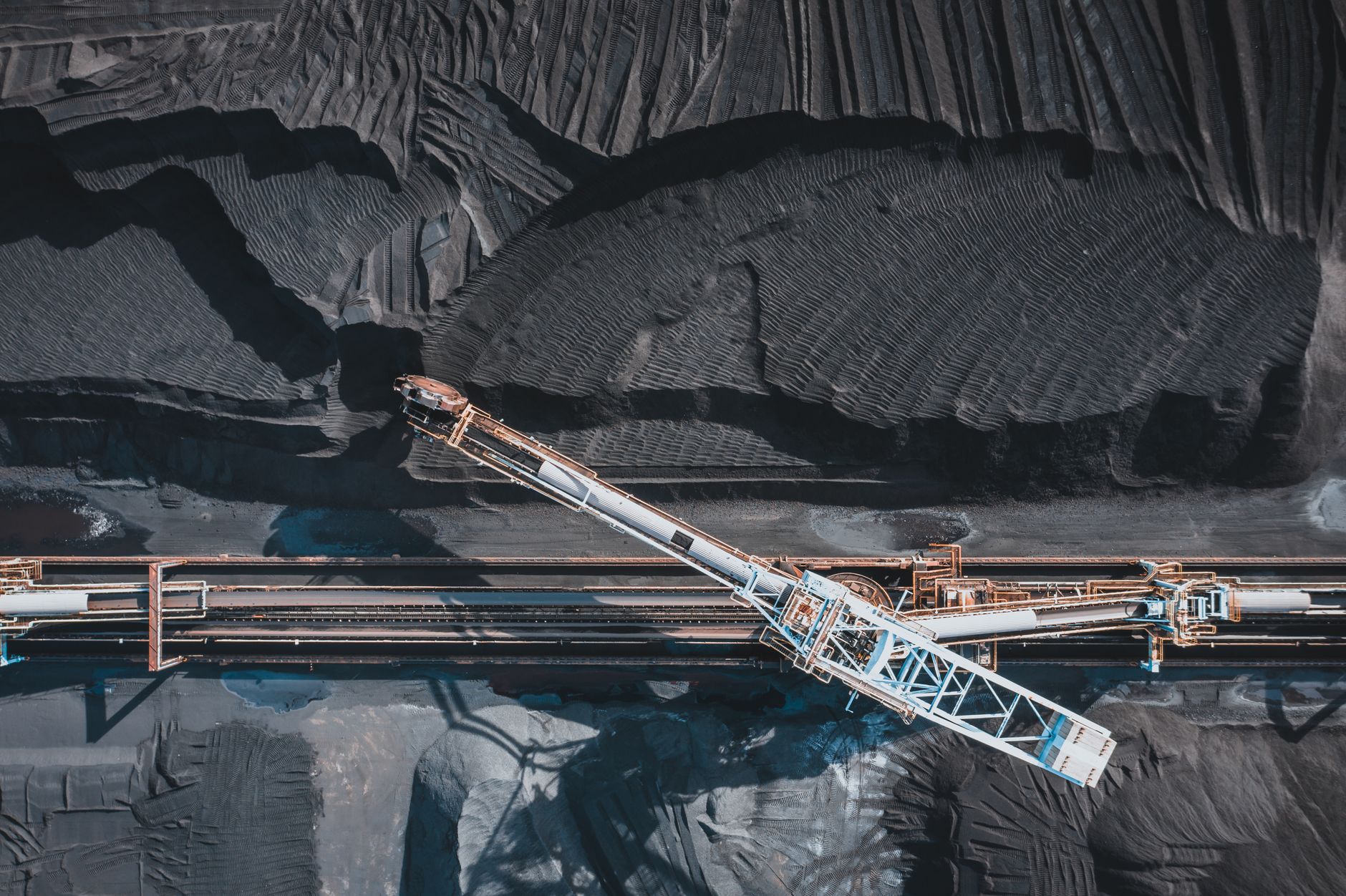
In 2020, Tesla and BYD announced the end of cobalt in their batteries. In 2026, production data tells a different story - and the DRC remains the hub of all vulnerabilities.
Context
Since 2020, EV manufacturers have heavily promoted the shift away from cobalt in favor of LFP (lithium-iron-phosphate) batteries-safer, cheaper, and less exposed to the DRC. Tesla switched its standard-range models to LFP; BYD launched its "Blade" battery. The dominant narrative concludes that the EV sector is now resilient to cobalt shocks. This is a dangerous oversimplification.
Data
- NMC (nickel-manganese-cobalt) batteries: still ~45% of the global EV cell market in 2025 (BloombergNEF, 2026)
- DRC: ~70% of global cobalt production in 2025 (USGS Mineral Commodity Summaries 2026)
- LME cobalt price: ~$33,000/t in June 2026-down 60% from the 2022 ATH (~$82,000/t)
- Global cobalt refining: ~80% under Chinese control (IEA Critical Minerals 2025)
- Premium EVs (Tesla Model S/X, BMW i7, Mercedes EQS) retain high-energy-density NMC
- Glencore’s Mutanda mine (DRC): suspended in 2019, reopened in 2022, production ~20,000 t/year
Analysis
The shift to LFP has reduced cobalt dependence for entry-level EVs, but not for three fast-growing segments: premium EVs (where NMC’s superior energy density is essential), long-duration stationary storage, and electric aviation. Moreover, extreme geographic concentration creates an underestimated systemic risk: China controls ~80% of refining, allowing it to tax or embargo refined cobalt regardless of DRC production. A cobalt shock wouldn’t take 6 months to materialize-it would take 6 weeks.
Probability-weighted scenarios
- Normalization scenario (50%)
DRC cobalt oversupply + growth of recycled cobalt (Umicore, Redwood Materials) keeps prices below $40,000/t, no crisis through 2026-2027.
- Geopolitical shock scenario (30%)
DRC instability (as in 2018) or Chinese export embargo cuts supply for 6-12 months, cobalt spike to $60,000-80,000/t, NMC automaker margins collapse.
- Technological scenario (20%)
Accelerated adoption of sodium-ion (CATL Na-ion) or solid-state batteries eliminates premium cobalt by 2028-2030, structural downward pressure on prices.
Portfolio implications
The current low price (~$33,000/t) offers a window to build exposure to producers: Glencore (LSE: GLEN), China Molybdenum (HK: 3993). But DRC geopolitical risk demands a risk premium: limited positions (<3% of a diversified portfolio), defined stop-loss. Avoid premium EV manufacturers overly exposed to NMC without secured long-term cobalt supply contracts.
Risks & blind spots
The primary risk is not mining but geopolitical: a Chinese embargo on refined cobalt would be more devastating than a mining crisis in the DRC, as it would simultaneously cut battery production for all non-vertically integrated manufacturers. This risk is nearly absent from current valuation models.
To monitor
- LME cobalt price (Bloomberg, LME)-reactivation threshold for closed mines: ~$40,000/t
- Glencore Katanga/Mutanda production H2 2026 (GLEN semi-annual report, August)
- IEA Critical Minerals 2026 report (July)-revision of cobalt supply/demand projections
Content reserved for members
Create a free account to access all our content and the weekly review.
Article produced by artificial intelligence, reviewed under human editorial control.

Comments (4)
Sign in to join the discussion.

the_contrarian 23 Jun 2026 · 10:43
Cutting cobalt in press releases is easy. Cutting it in gigafactories? That’s where the supply chain laughs last.

le_sceptique 23 Jun 2026 · 07:45
2020-2026 : six ans pour réaliser que les promesses sans cobalt, c’était du marketing. La RDC rit jaune, les actionnaires moins.

Cla1re_Lille 23 Jun 2026 · 06:28
Les batteries LFP progressent, mais le cobalt reste dans les cathodes NCM. La vraie solution ? Recycler 90% des batteries en fin de vie d’ici 2030.

tessa_london 23 Jun 2026 · 03:45
Promises, promises... until the supply chain map lights up red again. When will we stop pretending?