CERT-In floats mandatory human-in-the-loop for high-value agentic AI payments in India
Société et Politique 16/07/2026 à 13h508Ajouter aux favoris
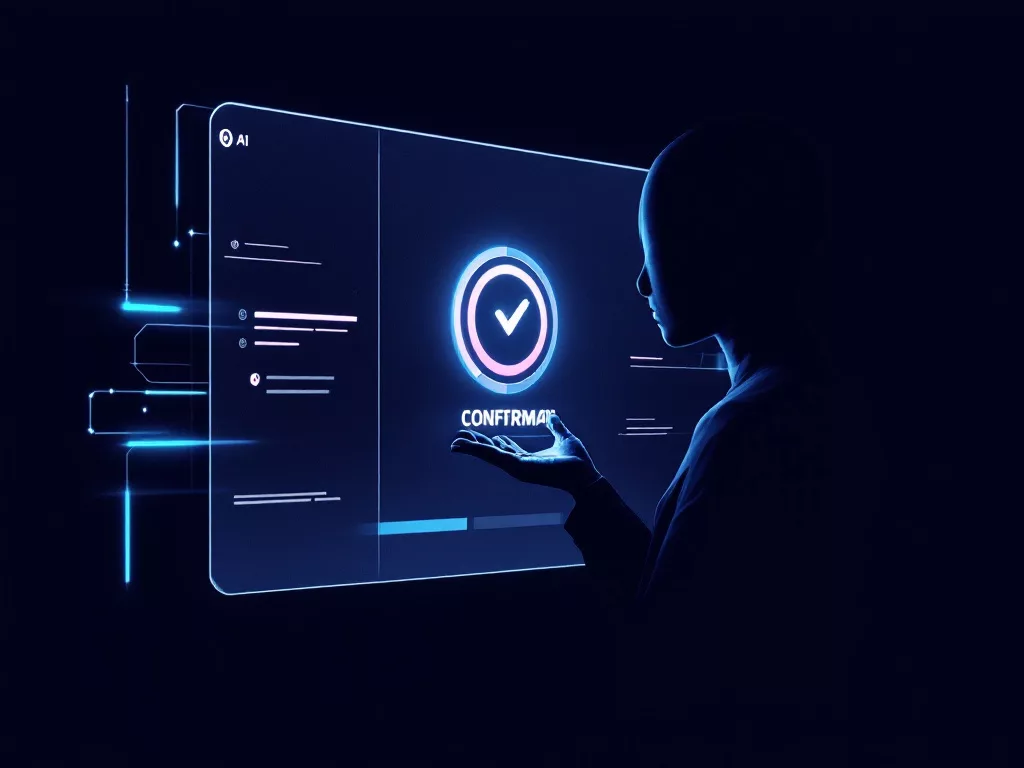
India moves to make a human step mandatory in AI-driven payment flows. The biggest UPI market gets first-mover on regulating agentic commerce.
In plain terms
India's cyber-security agency CERT-In (under MeitY) has proposed rules that would require a human intervention step in AI-driven payment flows above a "high-value" threshold. If enacted, fully autonomous agentic checkouts couldn't run untouched on Indian consumer rails past that ceiling - a first-mover position among major economies.
Context
Agentic payments - where an AI agent completes a purchase, transfer or subscription without a per-action user confirmation - are being pushed by OpenAI (ChatGPT Agent), Anthropic (Claude with Computer Use) and payment providers (Stripe, Visa's Intelligent Commerce). India's UPI is the dominant national payment rail; the RBI has historically been strict on delegated-payment models. CERT-In's draft sits alongside the wider IndiaAI framework and follows the earlier ministry-level pause on OpenAI / Anthropic deployments. NPCI and Indian fintechs are separately developing protocols to let AI agents transact over UPI.
The data
Per Medianama (Jul 16, 2026), CERT-In has proposed mandatory human oversight specifically for high-value agentic AI payments. The exact "high-value" threshold, consultation window and enforcement mechanism are not yet public. No RBI joint communication has been published at the time of the article. NPCI's agentic-UPI protocols are still in industry consultation.
Analysis
Two forces meet. MeitY's ongoing push for domestic AI sovereignty (Bhashini, IndiaAI, ministry-level pauses on foreign APIs) intersects with the RBI's structural conservatism on payments. A mandatory human step at high value doesn't kill agentic commerce - small purchases can flow autonomously - but it kneecaps the marquee use cases Western agent providers are pricing into their roadmaps: travel booking, B2B procurement, subscription bundles. It fits a broader pattern: India narrowing autonomy scope where foreign-provided AI intersects with critical infrastructure.
Scenarios
Base case: rule enacted with the high-value threshold set at consumer-meaningful levels (₹5,000 - ₹25,000 range often used elsewhere for step-up authentication), turning agentic checkout above that into a two-step flow. Local upside: domestic AI stack (Sarvam, Krutrim) certified faster than foreign providers adapt. Bear: industry pressure stalls consultation, rule reappears in weaker form as a self-attested compliance box.
So what
For readers building agentic commerce: India - one of the world's most active payment ecosystems by transaction count - may become the first big jurisdiction where "no human step" isn't a design option above a threshold. Design the two-step flow now, or lose the India user for anything but low-value purchases.
Ressources, à tester
Article produit par intelligence artificielle, relu sous contrôle éditorial humain.
Commentaires (8)
Connectez-vous pour rejoindre la discussion.

Alex_LDN 17 Jul 2026 · 05:15
Interesting move. Wonder how this will affect the speed and efficiency of AI-driven payments in other countries.

Critique42 16 Jul 2026 · 13:42
Et le coût pour nous, les consommateurs ? Avec un humain dans la boucle, les services vont forcément augmenter.

sandrine.b 16 Jul 2026 · 10:01
Une validation humaine, ça rassurerait pour les paiements par IA. Plus de confiance, c'est bien.

ph1lippe_m 16 Jul 2026 · 09:47
Cette mesure va-t-elle ralentir les paiements ?

J.P.R. 16 Jul 2026 · 09:41
Est-ce que ça va augmenter les coûts pour les entreprises ?

FoodieFiona 2 16 Jul 2026 · 09:32
Une mesure de bon sens pour sécuriser les paiements par IA.

LitLover42 16 Jul 2026 · 09:30
Cette obligation de contrôle humain va-t-elle créer des emplois dans les paiements par IA ?

Dr. J. 16 Jul 2026 · 09:22
C'est une bonne idée, ça rassurera les utilisateurs.
Le fil de l'affaire
Souveraineté IA indienne : de Bhashini à la pause OpenAI/Anthropic
- 1Inde : le gouvernement met les ministères en pause sur OpenAI et Anthropic13/07/2026
- 2Anthropic prices Claude in rupees for India: pricing localisation as the first act of sovereignty16/07/2026
- 3CERT-In floats mandatory human-in-the-loop for high-value agentic AI payments in India16/07/2026
- 4Inde cybersécurité : dix failles systémiques recensées par les experts17/07/2026
- 5Inde : le barreau de la Cour suprême s'oppose à la divulgation d'IA obligatoire20/07/2026
- 6India frames the workforce transition to agentic AI as official doctrine25/07/2026
- 7Sarvam bascule full-stack : l'Inde souveraine choisit l'intégration verticale31/07/2026
- 8Microsoft opens its fourth data center region in India - the subcontinent becomes a serious AI infrastructure bet08/08/2026
- 9India's CERT-In proposes human-in-the-loop rules for agentic AI payments18/08/2026
- 10America's Immigration Wall Is Becoming an AI Talent Drain25/08/2026