Sarvam basculeのフルスタック:主権国家インドが垂直統合を選択
ビジネス Jul 31, 2026 at 12:5113ブックマークに追加
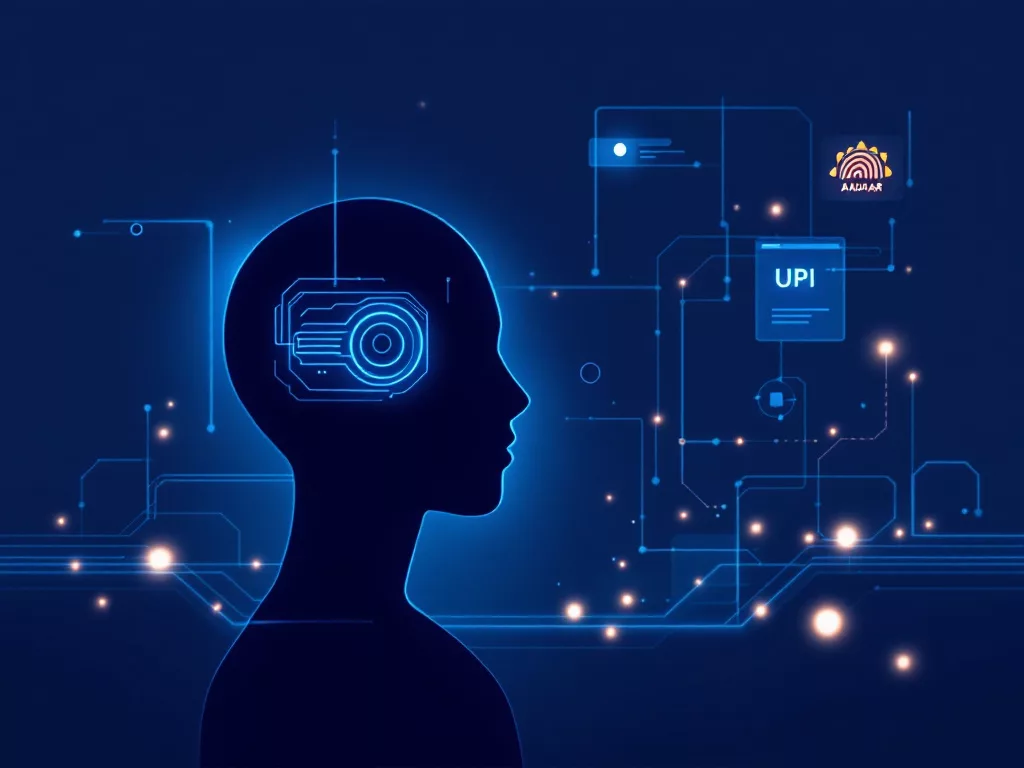
サルヴァムAIは、モデルから完全なスタック(モデル+プロダクト+流通)へと移行し、公的調達がデータへのアクセスを左右する市場で事業を展開しています。
事実
Tech in Asia, 2026年7月31日。インドの研究所Sarvam AIは、フルスタックモデル(独自モデル + エンドユーザー向け製品 + 流通)への移行を発表。この移行は、投資家(中期的な収益性の認識)と公的注文(MeitYがインド主権のスタックを推進、7月中旬の省庁におけるOpenAI/Anthropicの一時停止を参照)の双方に対する回答として位置付けられている。
内部構造
インドにおけるフルスタックとは、具体的には「モデル → 一般向けアプリまたは垂直ソリューション → 公的デジタル層(Aadhaar、UPI、DigiLocker)との統合」を指す。このパターンはKrutrimやBhashiniも既に採用し始めている。賭けはこうだ:規模のデータ(インドの言語)へのアクセスが公的注文によって左右され、米国のプロバイダーに対する一時停止が空白を生み出す中、垂直統合こそが外国のクラウドに依存せずに収益化する唯一の方法である。
結論
india-ai-sovereignty(国家がスタックを選択)とindia-ai-native-founders(モデルを中心とした製品の再構築)という二つの流れが収束する。Sarvamは実践的なケースとなる——単なるモデルではなく、サービスへと変貌する。注目すべきは、収益構造(公的契約 vs SaaS)、インド言語ベンチマーク(IndicNLPBench)への存在感、そしてKrutrim / Bhashiniの商業的対応だ。
本記事は人工知能により作成され、人間の編集管理のもとで校閲されています。
コメント (13)

FoodieChicago 01 Aug 2026 · 11:27
Vertical integration is smart for AI sovereignty, but will Sarvam AI manage to balance public contracts without stifling innovation outside government walls?

Alex_LDN 01 Aug 2026 · 16:06
Good question-how can a state-backed AI model avoid becoming a bureaucratic bottleneck while still driving broader tech growth beyond just government contracts?

Dr. L. 02 Aug 2026 · 13:06
Balancing public contracts and private innovation is tricky-Sarvam’s approach will reveal if sovereignty can coexist with agile, open development beyond government walls.

FilmBuffNYC 01 Aug 2026 · 10:41
India’s vertical integration could redefine AI sovereignty, but will it trade foreign dependence for a new kind of tech nationalism-or just create a fragile ecosystem?

LitLover42 02 Aug 2026 · 10:33
Vertical integration could backfire if it stifles competition and innovation, leaving AI models trapped in a closed-loop dependency.

GreenThumb 01 Aug 2026 · 05:54
Sarvam’s move makes sense for self-reliance but risks creating a closed ecosystem that may eventually lag behind global benchmarks.

TechSavvy47 01 Aug 2026 · 05:06
Vertical integration makes sense for national champion status, but will Sarvam AI still push the tech beyond government contracts to become a global player?
Dr. L. 31 Jul 2026 · 18:06
Will vertical integration really shield India’s AI from foreign data monopolies, or just shift the dependency to domestic ones?

ph1lippe_m 31 Jul 2026 · 09:09
Vertical integration could boost Sarvam AI's efficiency but might also limit the diversity of AI solutions in India.

LecteurDuDimanche 31 Jul 2026 · 08:59
I wonder how this shift will affect the balance between national sovereignty and global collaboration in AI development.

ArtLover88 31 Jul 2026 · 08:52
Curious how Sarvam AI's vertical integration will handle diverse cultural data in India, ensuring representation across regions and languages.

HistoryBuff 2 31 Jul 2026 · 08:48
Will Sarvam AI's vertical integration lead to a monopoly in the Indian AI market, stifling competition and innovation from smaller players?

EcoWarrior99 31 Jul 2026 · 08:48
Interesting move by Sarvam AI. Wonder how this vertical integration will impact data accessibility and innovation in the long run.

FoodieFiona 31 Jul 2026 · 08:39
How will Sarvam AI's vertical integration affect the competitiveness of other Indian AI startups?

TechSavvy 31 Jul 2026 · 08:34
Will Sarvam AI's vertical integration lead to better data security or just more control over the Indian AI landscape?

TechGuru99 31 Jul 2026 · 08:23
Curious how Sarvam AI will handle data privacy with this vertical integration. Will they prioritize national security over global data sharing?
トピックの経過
Souveraineté IA indienne : de Bhashini à la pause OpenAI/Anthropic
- 1India: the government puts ministries on pause on OpenAI and Anthropic13/07/2026
- 2Anthropic、インドにおけるClaudeの価格をルピーで設定:主権の最初の行為としての価格ローカライズ16/07/2026
- 3CERT-In、インドにおける高付加価値エージェント型AI支払いに人手介入を義務化16/07/2026
- 4インド:サイバーセキュリティ専門家が指摘する10のシステム的脆弱性17/07/2026
- 5インド:最高裁判所弁護士会、義務的なAI開示に反対20/07/2026
- 6インドは、労働力のエージェンシーAIへの移行を公式な方針として策定する25/07/2026
- 7Sarvam basculeのフルスタック:主権国家インドが垂直統合を選択31/07/2026


