GPU 5% 미만으로 활용 중: 엘리스, 노타, 랩블럽, 글로벌 수요 급증에 한국형 해결책 제시
지상 Jul 31, 2026 at 12:519북마크에 추가
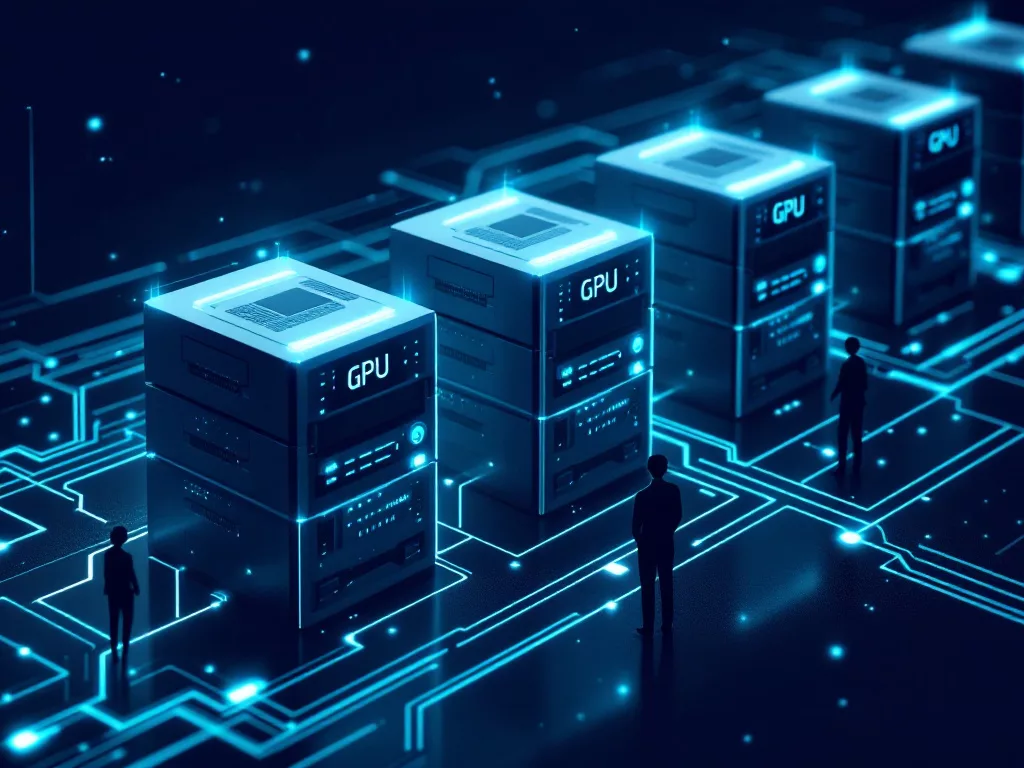
AWS/Azure/GCP를 포함한 약 23,000개의 Kubernetes 클러스터에 대한 CAST AI 연구: 평균 GPU 사용률 5%. 세 명의 한국 업체가 같은 날 대응. 구조적 레버리지가 더 많은 컴퓨팅이 아니라, 더 나은 컴퓨팅이라는 점.
간단히 말해
CAST AI가 7월 31일 발표하고 ETNews가 전한 연구에 따르면, AWS, Azure, GCP의 약 23,000개 Kubernetes 클러스터에서 Kubernetes가 최적화되지 않았을 때 GPU 평균 사용률은 5%에 불과합니다. 같은 날 한국 3개사(엘리스, 노타, 랩블럽)가 자체 솔루션으로 대응했습니다. 즉, GPU Capex는 이미 지불됐지만 전 세계적으로 활용도는 낮습니다. 한국은 이 문제를 해결할 솔루션을 내놓은 첫 번째 국가입니다.
사실, 맥락 속에서
ETNews, 2026년 7월 31일. 이 기사는 두 가지 수준을 담고 있습니다: 글로벌 수치(CAST AI 연구, Kubernetes 미최적화 시 AWS/Azure/GCP의 약 23,000개 K8s 클러스터 평균 사용률 5%)와 지역적 대응(각각 다른 해결책을 제시하는 세 한국 업체). 한국 맥락: 정부는 7월 말 미국과 9,500억 달러 규모 협약을 체결했는데,其中 GPU Capex(베라 루빈, ETNews 7월 19일 보도에 따르면 다음 회계연도 1만 장 계획)도 포함됩니다. 한국은Compute 미최적화가 Capex 낭비라는 글로벌 수치가 나오자 대규모 구매에 나섰습니다.
기술적 세부 사항
엘리스, 노타, 랩블럽이 다루는 세 가지 기술적 접근법:
- 배칭 및 스케줄링 - 개별 추론은 A100/H200을 체계적으로 저활용하므로 동적 배치(vLLM 등)와 멀티테넌트가 필요합니다.
- 모델 라우팅 - 많은 워크로드는 대형 모델이 필요 없습니다. 라우터가 더 작은 모델이나 양자화된 변형으로 전환하면 20-40%를 회복할 수 있습니다.
- KV 캐시 관리 - 긴 컨텍스트는 메모리를 폭발시킵니다. 압축과 지능형 영속화가 슬롯 저활용을 방지합니다.
엘리스(교육/엔터프라이즈 플랫폼), 노타(모델 압축), 랩블럽(멀티테넌트 오케스트레이션 Backend.AI)은 동일한 오케스트레이션 방정식의 세 가지 측면입니다.
결론
두 가지 흐름이 convergence합니다. 토큰 예산 제한 - CFO는 토큰 가격을 보지 않고 GPU 청구서를 봅니다. GPU 사용률 5%는 시장의 20배 가격 토큰과 같습니다. APAC AI PoC - 한국은 사용률 문제에서 특별하지 않지만, 이 문제를 해결할 솔루션을 내놓은 첫 번째 국가입니다. PoC → 프로덕션 전환은 모델이 아니라 오케스트레이션에서 막힙니다. 주목할 점: MFU 학술 지표 외 사용률 벤치마크 도입, 미국 클라우드 외 지역(알리바바 클라우드, 텐센트, 온프레미스 기업)에서 동등한 연구 발표, 한국 하이퍼스케일러(NHN 클라우드, KT 클라우드)가 네이티브 스택을 통합할지 여부입니다.
인공지능이 작성하고 사람의 편집 감독하에 검수한 기사입니다.
댓글 (9)

FoodieFiona 02 Aug 2026 · 14:16
Isn’t the real issue here that most workloads just aren’t built for GPU efficiency yet, regardless of these tools? Unless devs rewrite their code, we’re still stuck with the same problem.

ArtLover99 31 Jul 2026 · 18:15
What if the real bottleneck isn’t GPU underutilization but the lack of optimized workloads? These tools might just shift inefficiencies elsewhere.

J.P.R. 31 Jul 2026 · 08:53
I'm curious about the long-term viability of these Korean solutions. Will they be able to keep up with the rapid advancements in GPU technology?

ArtLover88 31 Jul 2026 · 08:49
I wonder how these Korean companies plan to ensure data security and privacy when scaling their solutions globally.

ArtLoverLA 31 Jul 2026 · 08:39
I wonder how these Korean solutions will integrate with existing infrastructure. Seamless integration is crucial for widespread adoption.

SkepticSam 31 Jul 2026 · 08:35
I wonder how these Korean solutions will handle the varying regulatory environments across different countries. Compliance could be a significant hurdle.

FilmBuffNYC 31 Jul 2026 · 08:35
I'm curious about the energy efficiency of these Korean solutions. Do they also address the environmental impact of underutilized GPUs?

TechGuru99 31 Jul 2026 · 10:56
Korean solutions often focus on optimization, but specific energy efficiency data is scarce; worth digging deeper.

Emma_London 31 Jul 2026 · 08:16
This is a great initiative. I wonder how these Korean companies plan to scale their solutions globally.

Alex 2 31 Jul 2026 · 08:11
I wonder how these Korean solutions will integrate with existing global tech infrastructures. Will they be compatible with current systems or require a complete overhaul?
이슈 타임라인
Le coût du token entre dans le budget : quotas, CFO et rationnement de l'IA
- 1The burn rate of an engineer could soon equal their salary14/07/2026
- 2앤트로픽, 에이전트 확장을 위한 사용 설명서 공개: 레이어, 토큰, 안정적 실행15/07/2026
- 3인공지능이 클라우드보다 더 빠르게 청구: 하루 만에 14,000달러, 24시간 만에 6,531달러16/07/2026
- 4매주 쿼터가 리셋되는 것: 아무도 원하지 않았던 코딩 에이전트 예산 절벽18/07/2026
- 5Anthropic의 엔지니어링 내부 - 이 AI 연구소는 조용히 자체 제품을 사용하며 개선하고 있습니다28/07/2026
- 6OpenAI이 GPT-5.6 Sol 토큰 버그를 해결한 후 ChatGPT Work / Codex 5시간 제한을 복원했습니다.29/07/2026
- 7GPU 5% 미만으로 활용 중: 엘리스, 노타, 랩블럽, 글로벌 수요 급증에 한국형 해결책 제시31/07/2026


