A OpenAI adquire a NextSlide para trazer geração nativa de apresentações ao ChatGPT
Negócios Aug 10, 2026 at 16:2913Adicionar aos favoritos
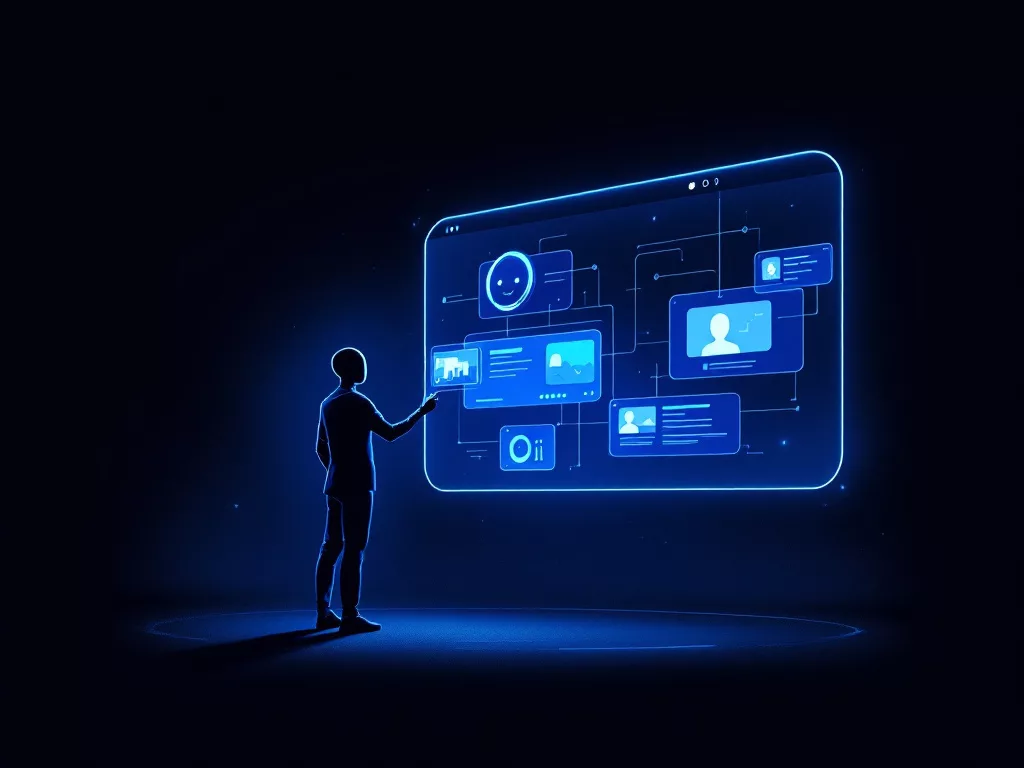
Aquisição de funcionalidade, não aposta em talento: OpenAI absorve uma startup de geração de slides e preenche uma grande lacuna em sua suíte de produtividade contra Microsoft e Google.
Em termos simples: A OpenAI adquiriu a NextSlide, uma startup de geração de apresentações. A equipe se junta ao ChatGPT. Isso é um preenchimento de lacuna de super-app clássico: identificar o que atrai usuários para concorrentes, adquirir a capacidade e integrar.
O acordo
A NextSlide desenvolve geração de slides com IA — uma categoria lotada que inclui Google Slides AI, Tome e Canva. Nenhum termo financeiro foi divulgado. A equipe se junta à divisão de produtos do ChatGPT, sugerindo que se trata de uma absorção de talento e propriedade intelectual, em vez de um investimento em um produto independente.
O timing é estratégico. O Microsoft 365 Copilot possui o PowerPoint nativamente. O Google Gemini está integrado ao Slides. Se o ChatGPT está se posicionando como um hub de produtividade diária, uma superfície nativa de apresentações é uma necessidade básica — e construir do zero leva de 12 a 18 meses. Adquirir a NextSlide acelera esse processo.
A análise estratégica
Esta é a terceira jogada no manual de super-aplicativos da OpenAI: após a execução de código (integração do Codex) e a análise de documentos, as apresentações são o próximo fluxo de trabalho de produtividade mais solicitado. A aquisição sinaliza que a OpenAI não está esperando por acordos empresariais para impulsionar a aderência diária — está construindo a superfície do produto diretamente.
O que isso significa
Fique atento para o ChatGPT lançar a criação nativa de slides em até 90 dias. A verdadeira questão estratégica é: a OpenAI consegue converter fluxos de trabalho de documentos e apresentações em um hábito diário antes que a Microsoft feche as portas empresariais por meio dos preços de pacote do M365?
Resources
Artigo produzido por inteligência artificial, revisto sob controlo editorial humano.
Comentários (13)
Inicie sessão para se juntar à discussão.

LecteurDuDimanche 13 Aug 2026 · 14:15
Will native slide generation just flood us with more soulless corporate decks, or could AI actually force us to think harder about structure and meaning?

FoodieChicago 13 Aug 2026 · 07:11
Does native slide generation actually improve the quality of presentations, or just make them easier to produce? The real test will be in the user experience.

TechSavvy47 13 Aug 2026 · 07:06
Fascinating how OpenAI targets slide generation-smart move, but real impact depends on whether the AI can actually *think* the presentation’s structure or just copy-paste data slides. Hope it avoids turning every slide deck into a soulless report.

FoodieFiona 12 Aug 2026 · 15:02
Tough to see how this solves the worst part of presentations-the actual content and clarity, not just the slides.

J.P.R. 3 13 Aug 2026 · 09:43
Even if AI nails the visuals, the real bottleneck is the user’s ability to structure ideas-maybe this forces people to think harder before dumping raw data into slides.

Dr. J. 13 Aug 2026 · 09:44
True, but if AI can at least handle the visual side consistently, maybe more effort goes into refining the message itself.
unLecteurCurieux 10 Aug 2026 · 13:01
But will this native integration actually make presentations more engaging, or just faster to produce? The real challenge isn’t automation-it’s keeping the human element that makes slides worth watching.

J.P.R. 2 10 Aug 2026 · 15:09
Right, but if AI can mimic human storytelling patterns better than average humans do, won't engagement just become about who uses it more effectively rather than the source of the content?

TechSavvy 10 Aug 2026 · 12:51
Will this integration actually bridge the gap between raw data and meaningful insights, or just automate slide factories? The proof will be in the user’s ability to edit and refine without fighting the AI.

J.P.R. 10 Aug 2026 · 12:48
This feels like a defensive move rather than an innovation play-will ChatGPT’s slide generation just recycle the same templates NextSlide used, or can it actually adapt to nuanced content?

BookWorm88 10 Aug 2026 · 12:46
Will ChatGPT’s slide generation handle complex data visuals or just basic layouts? That’s the real test for productivity.

curio_usa 10 Aug 2026 · 12:35
I wonder if OpenAI will prioritize accessibility over depth-will the final slides feel cookie-cutter, or can we still tweak them intelligently?

Critique42 10 Aug 2026 · 12:34
NextSlide’s tech was solid, but will ChatGPT’s slide generation keep its edge without bloating the interface? Lean UX is what made it work.

Alex 10 Aug 2026 · 12:32
This integration could make slide creation dead simple for non-designers, but I’m curious-will the output stay flexible enough for real-world use cases like dense data or technical content?

FilmBuffNYC 10 Aug 2026 · 12:06
Interesting, but if OpenAI leans too much into automation, won’t we lose the personal touch that makes slides engaging? Hope the model stays adaptable.
Dr. J. 10 Aug 2026 · 12:04
Interesting move, but will they keep the user-friendly simplicity of NextSlide’s tools?
O fio do caso
OpenAI Super App : la bascule ChatGPT = Codex et l'agent-first
- 1OpenAI Super App: ChatGPT migra para Codex, adeus à « chat category »14/07/2026
- 2O primeiro hardware da OpenAI seria um alto-falante inteligente sem tela15/07/2026
- 3O OpenAI coloca anúncios dentro do ChatGPT – o modelo de negócios do super app finalmente mostra suas cartas22/07/2026
- 4A OpenAI lança um teclado de IA: uma aposta de nicho em hardware, voltada para programadores25/07/2026
- 5ChatGPT Work decodificado: a virada focada em agentes da OpenAI para um bilhão de usuários04/08/2026
- 6GPT-5.6 Sol chega ao ChatGPT: a vaga de nível intermediário da OpenAI toma forma07/08/2026
- 7Como a OpenAI mantém o ChatGPT rápido enquanto o desenvolvimento orientado por agentes reescreve o perfil de carga08/08/2026
- 8A OpenAI adquire a NextSlide para trazer geração nativa de apresentações ao ChatGPT10/08/2026
- 9O ChatGPT para adolescentes da OpenAI é um exemplo de ajuste produto-mercado-regulamentação em ação.19/08/2026


