双足机器人Gemini机器人ER 2:DeepMind押注视频原生、多机器人编排
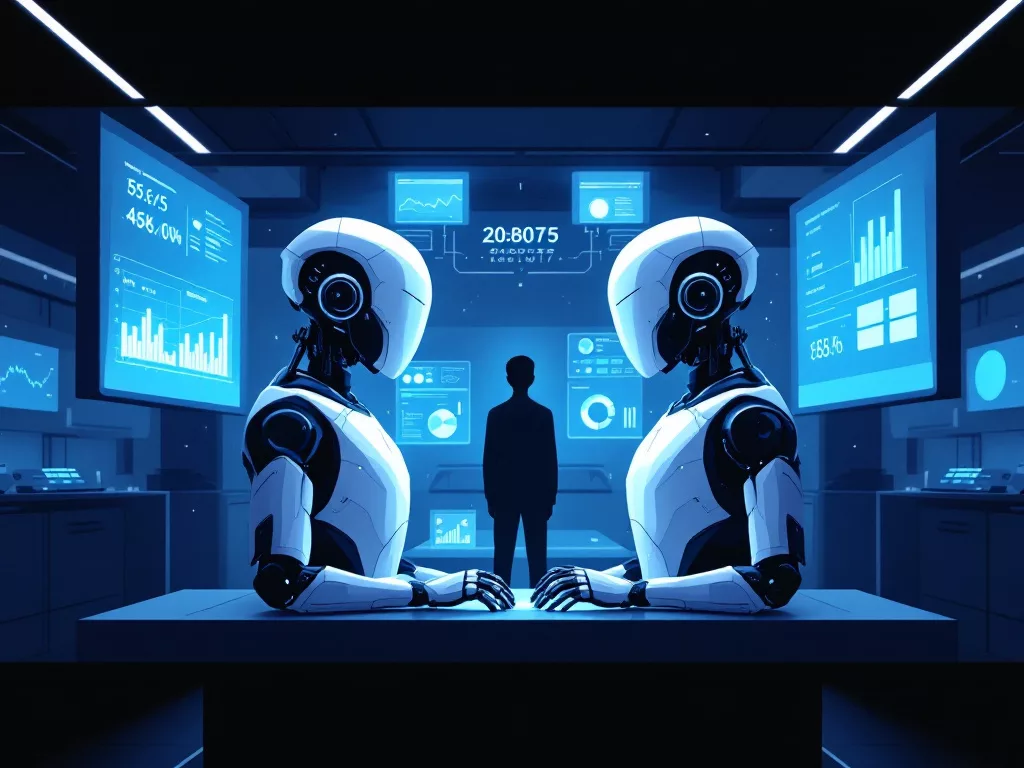
DeepMind 的 ER 2 更新将具身推理推向视频理解和车队级协调 - 具身基础竞赛迎来谷歌品牌里程碑
用简单的语言来说。 Google DeepMind 发布了 Gemini Robotics ER 2,将视频理解、任务编排和多机器人协作添加到其具身化堆栈中。从单臂演示到机群级推理的步骤才是真正的新闻,这让 Alphabet 在具身化基础竞赛中明显回归。
适用场景
迄今为止,具身化基础线程主要由三个参与者推动:NVIDIA GR00T、中国的 Xiaomi Robotics-U0(38B,开源)和 X-Square Robot 的主干投注。Alphabet 的 ER 系列一直是潜在竞争者。ER 2 是 DeepMind 重申其仍在竞争中的表现。
技术细节
根据公告,ER 2 强调了三个具体方面:
- 视频理解 - 对序列进行推理,而不仅仅是单帧。这正是长期操作所需的。
- 任务编排 - 将自然语言目标分解为控制器可以执行的子目标。
- 多机器人协作 - 跨多个平台的协调行为。
前两项遵循了自2025年以来行业公开的方向。第三项是差异化所在。协调一个机器人上的两个臂是一个控制问题;协调两个机器人完成一项工作是一个系统问题——共享世界模型、通信、冲突解决。
我们尚未了解的信息
公告没有发布与 GR00T 或 RT-2 在相同任务上的对比基准测试,也没有量化“协作”(延迟、协调范围、故障模式)。在第三方复现之前,将此视为已宣布的能力,而非已证明的能力。
所以呢
对于决策者:这是一个强烈的信号,表明具身化堆栈正在遵循 LLM 模式——一个主干,可适应各种形式因素。相应地为一个市场预算,其中中间件层将折叠为模型调用。对于建设者:观察 API 表面。如果 ER 2 可供 Alphabet 内部机器人团队以外的用户访问,物理自动化的集成点可能在十八个月内发生变化。对于线程:现在明显的分歧是 Google 在顶部推动闭源,而 Xiaomi 的 38B 开源权重(Robotics-U0)在基础层。到2026年底,随着更多中国实验室选择开源权重路线,就像 Xiaomi 所做的那样,这个分歧是否会扩大,是需要关注的故事。
本文由人工智能撰写,并经人工编辑审核。
评论 (8)

FoodieFiona 30 Jul 2026 · 17:19
I'm excited about the potential for video-native understanding, but how will it handle occlusions and dynamic environments? Real-world complexity is a beast.

BookWorm47 30 Jul 2026 · 16:42
I hope this tech can bridge the gap between lab demos and real-world applications. The potential is huge, but the challenges are real.

MusicFanatic 30 Jul 2026 · 16:37
I wonder how this tech will handle the coordination of robots with different capabilities and limitations. It's a complex challenge.

ArtLoverLA 30 Jul 2026 · 16:27
The video-native approach is intriguing, but I wonder how it will handle low-light or high-speed scenarios. Real-world applications are messy!

Alex_LDN 30 Jul 2026 · 16:23
I'm curious about the scalability of this system. How will it handle diverse environments and tasks beyond lab settings?

TravelTom 30 Jul 2026 · 16:11
I wonder how this tech will handle dynamic environments with unpredictable human interactions. Real-world applications are complex.

curio_usa 30 Jul 2026 · 15:56
I'm excited about the multi-robot coordination aspect. Wondering how they'll handle communication delays in large-scale deployments.

Dr. L. 30 Jul 2026 · 15:54
DeepMind's ER 2 update is a significant step forward in embodied reasoning. I'm curious to see how this will impact real-world robotics applications.
事件时间线
Course aux modèles fondation embodied : X-Square, Xiaomi, GR00T
- 1Xiaomi 发布 Robotics-U0:统一的具身化模型 38B,开源15/07/2026
- 2Xpeng承诺2027年全球发布人形机器人:中国“具身”赛道获分配日期16/07/2026
- 3LimX Dynamics发布了一个等级人形机器人的演示:中国的具身领域又迎来了一位新成员16/07/2026
- 4WeRide WITT:自动驾驶采用“基础模型”格式17/07/2026
- 5美团筹集7390万美元用于中国机器人公司17/07/2026
- 6小米工厂实习机器人:在电动汽车工厂中,任务成功率达98%,悄然18/07/2026
- 7小米工厂实习机器人在螺母组装上达到了98%的准确率,在两项新任务上也超过了90%的准确率。19/07/2026
- 8Yimu Tech 为机器人触觉传感器筹集超1亿元人民币20/07/2026
- 9Unitree表示,机器人的“GPT时刻”仍然还要等待数年——这是一个内部人士的反炒作呼吁22/07/2026
- 10华为进入具身AI领域,推出CloudRobo——机器人领域的SERES战略22/07/2026
- 11美国众议院投票限制中国人形机器人:军民两用的军事化24/07/2026
- 12Ropedia 筹集2200万美元:为机器人理解世界提供缺失的“数据层”24/07/2026
- 13印度的地面游戏:班加罗尔的仓库和建筑机器人悄然上线26/07/2026
- 14双足机器人Gemini机器人ER 2:DeepMind押注视频原生、多机器人编排30/07/2026


