Rocket Lab Successfully Completes VICTUS HAZE: Tactical Space Resiliency Reaches New Heights
DéfenseReservado a suscriptores Jun 23, 2026 at 02:454Añadir a favoritos
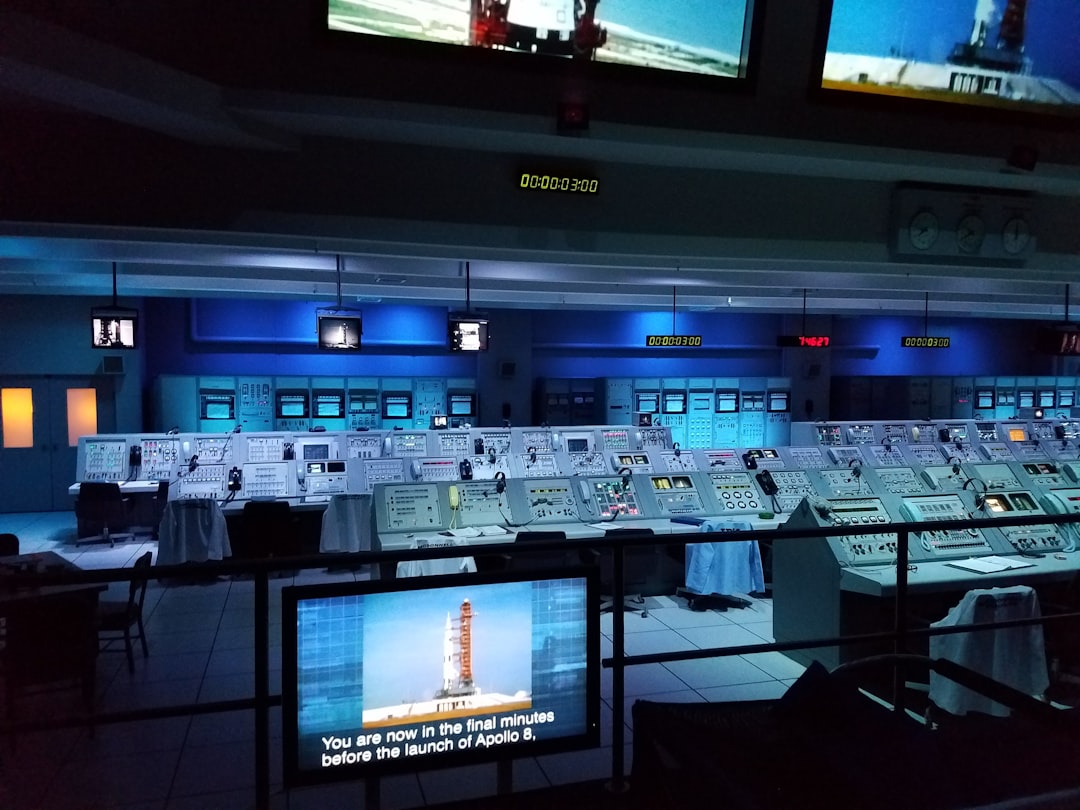
In less than 24 hours, Rocket Lab launched, put into orbit, and delivered an operational satellite to the US Space Force. A record that redefines the parameters of military space - and its investment.
Context
On June 22, 2026, Rocket Lab (NASDAQ: RKLB) announced the complete success of the VICTUS HAZE mission, conducted on behalf of the US Space Force as part of the Tactically Responsive Space (TacRS) program. The mission set a new operational record: less than 24 hours between the launch decision and the operational orbit of a military satellite-improving upon the previous record set by VICTUS NOX (Firefly Aerospace, 2023: 27 hours).
Data
- Decision-to-launch time for VICTUS HAZE: < 24h (new TacRS record, US Space Force, June 22, 2026)
- Launcher: Electron (Rocket Lab); payload: classified US Space Force
- Average cost of an Electron launch: ~$7.5M (vs ~$67M for SpaceX’s Falcon 9 - source: Rocket Lab investor relations)
- Rocket Lab’s backlog: ~$1.03B as of Q1 2026 (RKLB report, May 2026)
- US Space Force FY2026 budget: ~$30.5B (+12% vs FY2025, DoD Budget Request 2026)
- Neutron development (medium-lift launcher): first test postponed to 2027
Analysis
VICTUS HAZE is not just a speed record: it is a doctrinal demonstration. The tactical replacement constellation-replacing a destroyed or jammed satellite in conflict in under 24 hours-is now feasible. This changes the calculus of space deterrence: an adversary can no longer rely on a rival’s 48-72-hour blindness following an ASAT attack. For Rocket Lab, this validates a defensive niche that SpaceX, with its commercially scaled Falcon 9 designed for heavy payloads, cannot address with the same responsiveness and at the same cost. The relevant comparison is that of tactical drones versus fighter jets: two complementary, non-competing ecosystems.
Probabilistic Scenarios
- Acceleration scenario (50%): US Space Force multiplies TacRS contracts with Rocket Lab; backlog exceeds $2B by the end of 2027, re-rating of valuation (~$4.5B currently).
- Competition scenario (35%): Firefly Aerospace, Relativity Space, or ABL Space Systems challenge the TacRS market; Rocket Lab must defend its position on speed and cost. Pressure on Electron’s margins.
- Budget scenario (15%): Reduction in DoD’s space budget (US political pressure on FY2027 deficit) slows TacRS contract awards.
Portfolio Implications
Rocket Lab (RKLB) combines two distinct catalysts: tactical responsiveness (a secure defensive niche) and Neutron development (a medium-lift launcher, competing with Falcon 9 on commercial flights). The current valuation (~$4.5B) partially accounts for Neutron but underprices the ramp-up of TacRS. The risk/reward profile is asymmetric: upside if DoD contracts accelerate, limited downside due to the existing $1B backlog.
Risks & Blind Spots
Neutron faces significant delays-any further postponement weakens the medium-term growth thesis and could trigger a 20-30% correction in the stock. Dependence on the US DoD budget creates structural regulatory concentration: a shift in US strategic priorities (Asia-Pacific pivot, space budget reduction) could jeopardize the pipeline.
To Monitor
- Awarding of new TacRS contracts (Space Force, DARPA) H2 2026
- Neutron schedule update (Rocket Lab investor conference, July 2026)
- DoD FY2027 budget: White House proposal (August 2026) - Space Force line item
Contenido reservado a miembros
Crea una cuenta gratuita para acceder a todos nuestros contenidos y a la revista semanal.
Artículo producido por inteligencia artificial, revisado bajo control editorial humano.

Comentarios (4)
Inicia sesión para unirte a la conversación.

eco_visionario 23 Jun 2026 · 13:23
24 horas suena a récord, pero ¿cuánto costó acelerar así la cadena de suministro? Alguien paga el sobrecoste.

Econo_Hans 23 Jun 2026 · 10:45
Indrukwekkende snelheid, maar laten we hopen dat dit niet alleen een dure speeltje voor het Pentagon wordt.
Bálint_89 23 Jun 2026 · 09:05
Ez a sebesség nemcsak a katonai rugalmasságot mutatja, hanem a privát űrkutatás ipari kapacitásának ugrásszerű fejlődését is - kérdés, meddig tart ez a verseny.

J.P.R. 23 Jun 2026 · 03:45
24-hour turnaround sounds impressive until you ask who’s paying for the long-term orbital debris this 'tactical' speed leaves behind.