China in Overproduction Mode: Exported Deflation and Capital Flow Recomposition
MacroRiservato agli abbonati Jun 24, 2026 at 18:037Aggiungi ai preferiti
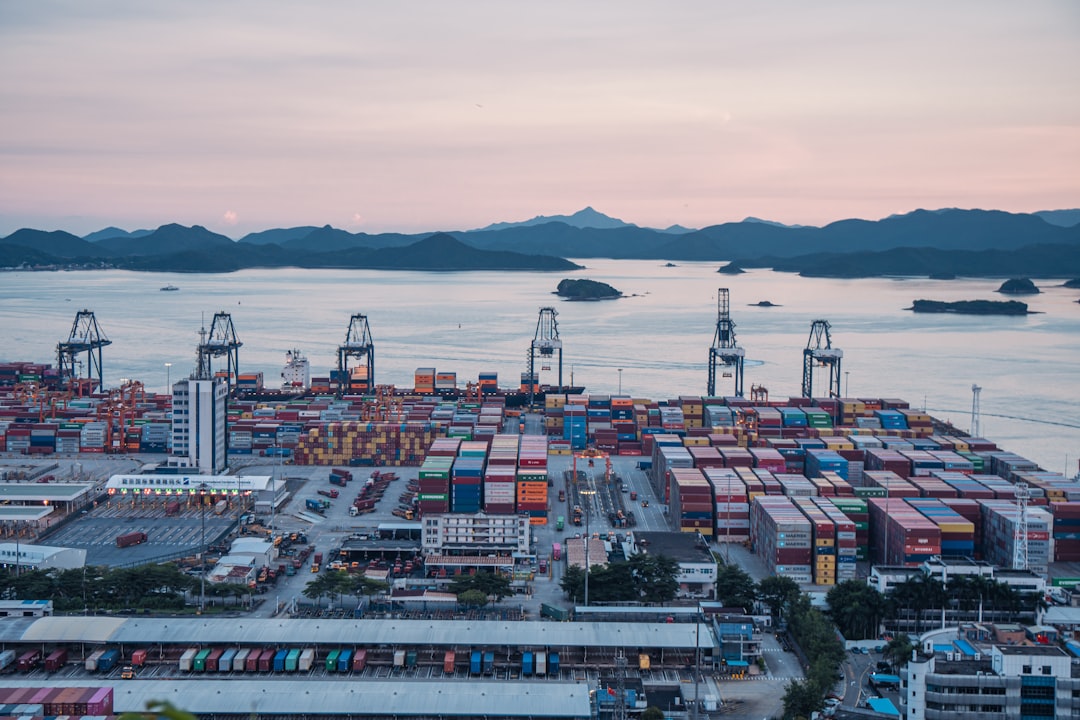
China's supply-driven growth strategy has resulted in a negative PPI for 23 consecutive months and a record trade surplus of $990 billion. Heinrich Vogel analyzes the mechanisms and implications for global sector allocations.
Context
Since 2023, the Chinese economy has embarked on a structural pivot: it favors growth through supply (industrial capacity, exports) rather than domestic demand. This model, documented by the IMF in its 2026 report, generates imported deflation among trading partners and reshapes global capital flows.
Data
- Chinese trade surplus: record of ~$990 billion in 2025 (General Administration of Customs China)
- China PPI: negative for 23 consecutive months (May 2026: -2.1% YoY - NBS China)
- Industrial utilization rate: steel ~73%, aluminum ~78% - structural overcapacity (NBS China)
- Battery exports: BYD + CATL capture ~65% of the global market in 2025 (CAAM)
- EU tariffs on Chinese electric vehicle imports: 45.8% (European Commission, July 2024); US tariffs: ~100%
Analysis
The persistence of the supply-side strategy creates three systemic effects: (1) imported deflation among partners-favorable for central banks aiming to bring inflation below 2%, but destructive for local producers in direct competition; (2) market share destruction in steel, chemicals, batteries, and light manufacturing-European industrial groups (ArcelorMittal, BASF) bear the cost; (3) mandatory tariff escalation by the G7 to protect its industrial base, risking a supply chain shock. For financial markets, the signal is dual: consumer assets (retail, transport) benefit from lower input costs, while competing producer assets face structural pressure.
Probability-weighted scenarios
- Prolonged deflation (50%): China maintains its strategy for 5 years; continuous pressure on global PPIs. Favorable for government bonds of net importers, unfavorable for EU cyclical equities.
- Forced rebalancing (35%): yuan depreciation + domestic demand stimulus imposed by the Politburo due to social risk. Partial reflation of industrial commodities.
- Generalized trade escalation (15%): G7 tariff coordination. Stagflationary shock on global supply chains.
Portfolio implications
Overweight beneficiaries of input deflation: retail (Amazon, Carrefour), airlines (Ryanair, EasyJet), downstream chemicals. Underweight directly competing sectors: EU steel (ArcelorMittal), basic chemicals (BASF), light manufacturing. Sovereign bonds of net importers benefit from structurally low inflation. Gold remains a relevant hedge against the trade escalation scenario.
Risks & blind spots
A massive demand stimulus from Beijing could quickly reverse the deflationary scenario. China’s technological dependence (advanced semiconductors, EUV) is an often-underestimated negotiation lever. Geoeconomic fragmentation (nearshoring) could partially offset the deflationary effect in 3-5 years.
To monitor
China PPI for July 2026 (monthly NBS release). G7 meeting in September 2026. EU anti-dumping decision on batteries (H2 2026). US/China monthly trade balance post-Trump tariffs.
Contenuto riservato ai membri
Crea un account gratuito per accedere a tutti i nostri contenuti e alla rivista settimanale.
Articolo prodotto da intelligenza artificiale, riletto sotto controllo editoriale umano.

Commenti (7)
Accedi per partecipare alla discussione.

the_contrarian 24 Jun 2026 · 20:29
China’s dumping strategy works until it doesn’t-who’s left holding the bag when the music stops?

le_sceptique 24 Jun 2026 · 19:44
La Chine exporte sa déflation comme l'URSS exportait son blé : à crédit et sans demander l'avis des autres. On va encore nous vendre ça comme une 'opportunité'.

EconEddie_89 24 Jun 2026 · 17:19
990bn surplus and still no domestic demand rebound? Someone tell Beijing the 'export your way to prosperity' playbook expired in 2008.

le_sceptique 24 Jun 2026 · 17:14
23 mois de PPI négatif et on nous vend ça comme une stratégie ? La Chine refait le coup du Japon dans les années 90, mais en pire. On va rigoler.

EconEddie_89 24 Jun 2026 · 16:32
China’s overcapacity playbook mirrors Japan’s 90s deflation trap-exporting cheap goods won’t fix domestic demand rot.

L. from Leeds 24 Jun 2026 · 16:26
China’s export deflation is reshaping global supply chains-who’s really benefiting beyond the balance sheet?

Bálint_89 24 Jun 2026 · 16:08
Kína most a világra tukrözi a saját túltermelési krízisét, miközben a nyugat fizeti a cechet.

le_sage_du_nord 24 Jun 2026 · 16:10
West’s complacency built this-now they’re stuck holding the invoice while China rewires trade.