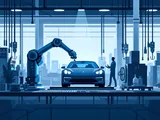
中国の北京エキスポで、ロボットの身体とAIの頭脳が同じ展示フロアに並んだ
グラウンド Aug 19, 2026 at 22:3111ブックマークに追加

2週間にわたる北京の並行展示会では、物理的なヒューマノイドのスタックと、それを動かす基盤モデルのスタックが並行して紹介されています。垂直統合が今やロードマップではなく、マーケティングメッセージとなっているのです。
簡単に言えば。今週北京で連続開催されたロボット工学とAIの展示会は、中国の「具現化スタック」の二つの側面、すなわちハードウェアメーカーと基盤モデルベンダーを、別々の市場ではなく一つの産業として位置づけている。日経アジアのフレーミングは意図的なものだ:AIの「脳」とロボットの「体」が同じ会場で展示される。
文脈
「具現化基盤レース」の流れは今夏最も活発なテーマだった。 Xiaomiが自社の具現化基盤モデルをオープンソース化(#1813)。X SquareのWall-BがFigure 03を70%低いハードウェアコストで荷物仕分け処理速度で上回る(#1909)。UnitreeがDeepSeekとTencentの支援を受け90億ドルのIPO価格を発表(#1841)。AlibabaとJD.comのロボットメーカーが香港IPOを申請(#1981)。Xiaomiが専用のロボット工学AIモデルを発表(#21706146)。LGがNvidiaのソフトウェアを使用したヒューマノイドのトレーニングを発表(#40379698)。今やこのスタックは、複数の市場、資本、国境をまたぐものとなっている。
記事の内容
日経アジアによると、今週の北京での連続開催された展示会は、「ロボットの体とAIの脳」を共同で扱うテーマとして紹介されている。このフレーミング自体が物語だ:北京は物理的な層と基盤モデルの層を別々のカテゴリーではなく、統一された産業として提示している。
分析
中国の戦略は2010年代の電気自動車(EV)戦略を彷彿とさせる:チャンピオン企業を支援するのではなく、垂直統合(バッテリー、モーター、ソフトウェア、組み立て)全体を支援する。その結果、BYDやCATLが生まれた。その一方で、200社近くの敗者も生まれた。ロボット工学に応用すると、この分散こそが特徴となる:複数のヒューマノイドメーカーが統合された基盤モデルの供給市場で競争することが、コスト曲線を下げる要因となる。X SquareがFigure 03に対して70%のコスト削減を達成したのは(#1909)、この分散が単体レベルで現れた例だ。
シナリオ
- ベースケース(55%):2028年までに3〜5社の中国のヒューマノイドメーカーが年間1万台以上の規模に成長し、国内の産業展開が主流となる。
- 統合ケース(25%):UnitreeまたはAlibaba系プレイヤーが中堅メーカー2社を吸収し、市場が再評価される。
- 輸出ケース(20%):中国のヒューマノイドが米国より先に東南アジアの工場リトロフィット契約を獲得する(輸出管理の調整ルート経由)。
リスク
物理的AIには、デモと実運用のギャップが存在し、規模が大きくなると顕著になる(安全性、稼働率、平均故障間隔)。北京の展示会はデモに最適化されている。ショー会場の処理速度ではなく、12ヶ月後の実運用レポートに注目すべきだ。
結論
西側のシステムインテグレーターであれば、Optimusを待つ必要はない。中国のスタックのユニット経済は、既にピックアンドプレースや簡単な組み立て作業において「アウトソーシング業者よりも安価」というラインを超えつつある。重要な問いは、規制当局がそれを困難にする前に、中国のヒューマノイドを自社ラインで認定できるかどうかだ。
本記事は人工知能により作成され、人間の編集管理のもとで校閲されています。
コメント (11)

le_sceptique 21 Aug 2026 · 11:16
Vertical integration makes sense for mass adoption, but won’t this lock in outdated hardware for years while AI models evolve faster than we can upgrade robots?

ArtLover88 21 Aug 2026 · 04:23
Isn’t this vertical integration just forcing the future? Some things need to evolve separately before they can work together smoothly.

unLecteurCurieux 20 Aug 2026 · 13:39
This vertical integration feels more like a sales pitch than a real breakthrough. What happens when the hardware can’t keep up with the software updates?

Emma_London 20 Aug 2026 · 09:13
Vertical integration is smart marketing, but does it make sense for the robots to handle tasks beyond what current AI models are trained for? Feels like putting the cart before the horse.

HistoryBuff 2 20 Aug 2026 · 04:10
Vertical integration might accelerate adoption, but what happens when the next-gen AI model needs a completely different body? Stuck with legacy hardware?

FilmBuffNYC 20 Aug 2026 · 07:03
Legacy hardware could end up a niche market like VHS tapes-useful until the ecosystem collapses or gets absorbed into new standards.
FilmBuffNYC 19 Aug 2026 · 18:36
Is this just about marketing, or is China actually pushing the boundaries of what humanoid robots can handle? Seems like a bold move either way.

Critique42 19 Aug 2026 · 20:45
It’s marketing, but not just that-what’s more telling is whether these demos turn into real-world applications beyond trade shows, because specs alone won’t redefine robotics.

Alex 19 Aug 2026 · 18:29
That’s a strong signal of China’s ambition in robotics. Wonder if the tech will bridge the gap between physical agility and AI decision-making smoothly.

HistoryBuff 19 Aug 2026 · 18:12
Vertical integration might streamline mass production, but will it stifle innovation? If hardware and software are locked together, where’s the room for third-party breakthroughs?

GreenThumb 19 Aug 2026 · 18:02
Vertical integration makes sense for early adoption, but won’t long-term flexibility suffer if the hardware is locked to one AI stack?

curio_usa 19 Aug 2026 · 18:02
Seems like China's betting big on vertical integration, but will this push the tech forward faster than the market can absorb it-or just create more silos?

CriticAtHeart 19 Aug 2026 · 17:55
These expos are fascinating-vertical integration could accelerate real-world deployment, but I wonder if keeping hardware and AI tightly coupled won’t leave users stuck with obsolete systems down the line.
トピックの経過
Course aux modèles fondation embodied : X-Square, Xiaomi, GR00T
- 1XiaomiはRobotics-U0を発表:38Bの統一 Embodied AI モデルをオープンソース化15/07/2026
- 2Xpengは2027年にグローバルなヒューマノイドを発売すると発表:中国の「具現化」レースに発売日が決定16/07/2026
- 3LimX DynamicsがFigure等級のヒューマノイドデモを発表:中国の具現化分野に新たな参入者16/07/2026
- 4WeRide WITT:自動運転が「基盤モデル」フォーマットを採用17/07/2026
- 5Meituan、中国のロボット企業に7390万ドルを出資17/07/2026
- 6シャオミの工場内ロボット:EV工場で98%のタスク成功率を達成、静かに18/07/2026
- 7Xiaomiの工場内ロボットがナット組み立てで98%、新たな2つのタスクで90%以上を達成19/07/2026
- 8Yimu Techはロボット用タッチセンサーに10億元以上を調達20/07/2026
- 9Unitreeは、同社のロボットの「GPTの瞬間」はまだ数年先だと主張しています - インサイダーによるアンチハイプの発言22/07/2026
- 10Huawei、CloudRoboで具現化AIに参入 - SERESのロボット工学プレイブック22/07/2026
- 11米下院、中国製ヒューマノイドロボットの規制を可決:デュアルユースの軍事利用24/07/2026
- 12ロペディアが2200万ドルを調達:ロボットが世界を理解するために必要な「データレイヤー」を提供24/07/2026
- 13インドの地上戦:バンガロールの倉庫と建設ロボットがひっそりと稼働を開始26/07/2026
- 14Gemini Robotics ER 2: DeepMindがビデオネイティブなマルチロボットオーケストレーションに賭ける30/07/2026
- 15LimX Dynamics : Shen Hua、PMFで固定 - 「次の停止地点はランディング」31/07/2026
- 16CATL、ロボパーティーに賭ける:中国の巨大バッテリーメーカー、側面からヒューマノイドレースに参入03/08/2026
- 17Xiaomiが組み込みAI基盤モデルをオープンソース化 — ロボット工学スタックが多極化へ05/08/2026
- 18Unitree、戦略的支援企業としてDeepSeekとTencentを迎え、時価総額90億ドルでIPOを実施07/08/2026
- 19Unitreeは9億400万ドルのIPOを開始 - 物理ロボットが株式市場に参入10/08/2026
- 20自動車メーカーとテック大手がソウルに集結し、実機のAIショーを開催 — ハードウェアの時代が到来10/08/2026
- 21X SquareのWall-Bロボット、Figure 03を70%低いハードウェアコストで上回る - 中国ロボット業界のDeepSeekモーメント13/08/2026
- 22BYDが深海ロボットスタートアップを支援 - 中国のAI活用が海底に到達14/08/2026
- 23LGエレクトロニクスがNvidiaの具現化AIプラットフォームに参加し、ヒューマノイドロボットを訓練18/08/2026
- 24AlibabaとJD.comが支援するロボットメーカー、香港IPOに申請 - 中国のロボット産業が上場時代へ19/08/2026
- 25中国の北京エキスポで、ロボットの身体とAIの頭脳が同じ展示フロアに並んだ19/08/2026
- 26チェリーのロボット部門、IPOを計画 - 自動車メーカーが中国ロボティクスの産業層に19/08/2026