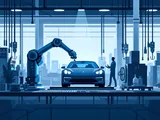
중국의 베이징 전시회에서 로봇 몸체와 AI 두뇌가 같은 전시장에 전시되었습니다
지상 Aug 19, 2026 at 22:3111북마크에 추가

이번 주 베이징에서 열린 두 개의 평행한 전시회는 물리적 휴머노이드 스택 alongside foundation-model 스택이 이를 구동하는 모습을 동시에 선보였습니다. 이제 수직 통합이 마케팅 메시지가 되었고, 로드맵이 아닙니다.
간단히 말해
이번 주 베이징에서 연속으로 열린 로봇공학 및 AI 전시회는 중국 '구현된 스택(embodied stack)'의 두 축인 하드웨어 제조사와 기초 모델 공급업체를 하나의 산업으로 묶어 보여줍니다. 니케이의 프레이밍은 의도적입니다: 로봇 몸체와 AI 두뇌가 같은 전시장 바닥에 나란히 전시된 것입니다.
맥락
'구현된 기초 모델 경쟁'은 올여름 가장 활발한 이슈였습니다. 샤오미가 자체 구현형 기초 모델을 오픈소스로 공개(#1813)했고, X Square의 Wall-B가 Figure 03의 물류 분류 처리량을 70% 낮은 하드웨어 비용으로 앞질렀습니다(#1909). 유니트리는 딥시크와 텐센트의 지원을 받아 90억 달러 규모의 IPO를 추진(#1841)했으며, 알리바바와 JD.com의 로봇 제조사도 홍콩 IPO를 신청했습니다(#1981). 샤오미는 전용 로봇 AI 모델을 론칭(#21706146)했고, LG는 엔비디아 소프트웨어로 휴머노이드 훈련을 발표했습니다(#40379698). 이제 이 스택은 다중 시장, 다중 자본, 그리고 국경을 넘어선 통합 시장으로 변모했습니다.
기사의 요지
니케이 아시아에 따르면 이번 주 연속된 베이징 전시회는 "로봇 몸체와 AI 두뇌"를 공동 주제로 내세웠습니다. 이 프레이밍 자체가 스토리입니다: 베이징은 물리적 계층과 기초 모델 계층을 별개의 카테고리가 아닌 하나의 통합된 산업으로 제시하고 있습니다.
분석
중국의 이 전략은 2010년대 전기차 전략을 연상시킵니다: 특정 챔피언 기업을 지원하기보다 수직계열(배터리 + 모터 + 소프트웨어 + 조립)을 보조하는 방식입니다. 이 전략은 BYD와 CATL을 탄생시켰지만, 대부분 실패한 200여 개의 후발업체도 양산했습니다. 로봇공학에 적용될 경우, 동일한 분산화가 핵심입니다: 다수의 휴머노이드 제조사가 통합된 기초 모델 공급 시장에서 경쟁하는 것이 바로 비용 곡선을 낮추는 방식입니다. X Square가 Figure 03 대비 70% 저비용을 실현한(#1909) 것이 바로 그 분산화의 결과입니다.
시나리오
- 기본 시나리오(55%): 2028년까지 3~5개의 중국 휴머노이드 제조사가 연간 1만 대 이상 생산하고, 국내 산업Deployment가 주도할 것입니다.
- 통합 시나리오(25%): 유니트리 또는 알리바바 계열사가 중견 제조사 2곳을 흡수하면서 시장이 재가격될 것입니다.
- 수출 시나리오(20%): 중국 휴머노이드가 미국 기업보다 먼저 동남아시아 공장 리트로핏 계약에 진입할 것입니다(수출 통제 조정 경로).
위험 요소
물리적 AI는 데모와 실 Deployment 간 격차가 있으며, 특히 대규모에서 그 차이가 극명하게 드러납니다(안전성, 가동 시간, 평균 고장 간격). 베이징 전시회는 데모에 최적화되어 있습니다. 쇼룸의 처리량을 지켜보기보다 12개월Deployment 보고서를 주시하세요.
결론
서방 통합업체라면 옵티머스를 기다리지 마세요. 중국 스택의 단위 경제성은 이미 단순 조립 및 피킹 작업에서 '자동화 계약업체보다 저렴한' 수준으로 하락했습니다. 올바른 질문은 현지 규제당국이 해당 기술을 사용하기 어렵게 만들기 전에 중국 휴머노이드를 자체 라인에 도입할 수 있는지 여부입니다.
인공지능이 작성하고 사람의 편집 감독하에 검수한 기사입니다.
댓글 (11)

le_sceptique 21 Aug 2026 · 11:16
Vertical integration makes sense for mass adoption, but won’t this lock in outdated hardware for years while AI models evolve faster than we can upgrade robots?

ArtLover88 21 Aug 2026 · 04:23
Isn’t this vertical integration just forcing the future? Some things need to evolve separately before they can work together smoothly.

unLecteurCurieux 20 Aug 2026 · 13:39
This vertical integration feels more like a sales pitch than a real breakthrough. What happens when the hardware can’t keep up with the software updates?

Emma_London 20 Aug 2026 · 09:13
Vertical integration is smart marketing, but does it make sense for the robots to handle tasks beyond what current AI models are trained for? Feels like putting the cart before the horse.

HistoryBuff 2 20 Aug 2026 · 04:10
Vertical integration might accelerate adoption, but what happens when the next-gen AI model needs a completely different body? Stuck with legacy hardware?

FilmBuffNYC 20 Aug 2026 · 07:03
Legacy hardware could end up a niche market like VHS tapes-useful until the ecosystem collapses or gets absorbed into new standards.
FilmBuffNYC 19 Aug 2026 · 18:36
Is this just about marketing, or is China actually pushing the boundaries of what humanoid robots can handle? Seems like a bold move either way.

Critique42 19 Aug 2026 · 20:45
It’s marketing, but not just that-what’s more telling is whether these demos turn into real-world applications beyond trade shows, because specs alone won’t redefine robotics.

Alex 19 Aug 2026 · 18:29
That’s a strong signal of China’s ambition in robotics. Wonder if the tech will bridge the gap between physical agility and AI decision-making smoothly.

HistoryBuff 19 Aug 2026 · 18:12
Vertical integration might streamline mass production, but will it stifle innovation? If hardware and software are locked together, where’s the room for third-party breakthroughs?

GreenThumb 19 Aug 2026 · 18:02
Vertical integration makes sense for early adoption, but won’t long-term flexibility suffer if the hardware is locked to one AI stack?

curio_usa 19 Aug 2026 · 18:02
Seems like China's betting big on vertical integration, but will this push the tech forward faster than the market can absorb it-or just create more silos?

CriticAtHeart 19 Aug 2026 · 17:55
These expos are fascinating-vertical integration could accelerate real-world deployment, but I wonder if keeping hardware and AI tightly coupled won’t leave users stuck with obsolete systems down the line.
이슈 타임라인
Course aux modèles fondation embodied : X-Square, Xiaomi, GR00T
- 1Xiaomi가 Robotics-U0: 38B 규모의 통합 embodied 모델을 오픈 소스로 공개했습니다15/07/2026
- 2Xpeng, 2027년 글로벌 휴머노이드 출시 약속: 중국 '구현된' 로봇 경주에 배포 일정発表16/07/2026
- 3LimX Dynamics가 Figure급 휴머노이드 데모 영상을 공개했습니다: 중국의 embodied AI 분야에 새로운 도전자 등장16/07/2026
- 4WeRide WITT : 자율주행이 'foundation model' 형식 채택17/07/2026
- 5Meituan이 중국 로봇 기업에 7,390만 달러 규모 투자를 단행17/07/2026
- 6샤오미의 공장 인턴 로봇: 전기차 공장에서 98%의 작업 성공률 기록, 조용히18/07/2026
- 7샤오미의 공장 인턴 로봇, 너트 조립 98% 달성…새로운 두 작업에서도 90% 이상 성과19/07/2026
- 8Yimu Tech, 10억 위안 규모의 로봇 터치 센서 투자 유치20/07/2026
- 9Unitree는 로봇의 "GPT 순간"이 아직은 수년은 멀었다고 말합니다 - 내부자의 과장 비판22/07/2026
- 10허바이, 클라우드로보로 embodied AI 진출 - SERES의 로봇틱스 플레이북22/07/2026
- 11미국 하원, 중국산 휴머노이드 로봇 군사적 활용 규제안 가결24/07/2026
- 12로피디아, 2200만 달러 투자 유치: 로봇이 세상을 이해하는 데 필요한 ‘데이터 레이어’ 제공24/07/2026
- 13인도의 지상 작전: 벵갈루루의 창고 및 건설 로봇이 조용히 가동 중26/07/2026
- 14Gemini Robotics ER 2: DeepMind, 비디오 네이티브 및 다중 로봇 오케스트레이션에 베팅30/07/2026
- 15LimX Dynamics : Shen Hua가 PMF에 고정 - "다음 목적지는 랜딩"31/07/2026
- 16CATL, 배터리 거인이 로봇 경주에 옆으로 뛰어들다03/08/2026
- 17Xiaomi가 embodied AI 기본 모델을 오픈소스로 공개하다 - 로봇 기술 스택이 다극화로 전환05/08/2026
- 18유니트리, 딥시크와 텐센트를 전략적 후원자로 삼아 90억 달러 규모의 IPO 가격 책정07/08/2026
- 19Unitree, $9.04억 규모 IPOSubscription 개시 - 물리 로봇공학 기업 상장10/08/2026
- 20자동차 제조사와 기술 대기업들이 서울에서 물리적 AI 전시회를 위해 한자리에 모였습니다 - 하드웨어 시대가 현실로 다가오고 있습니다10/08/2026
- 21X Square의 Wall-B 로봇이 Figure 03를 하드웨어 비용 70% 절감으로 능가 - 중국의 로봇공학 '딥시크' 순간13/08/2026
- 22BYD, 심해 로봇 스타트업에 투자…중국의 AI 활용 범위 '바다 밑바닥까지'14/08/2026
- 23LG전자가 엔비디아의 embodied AI 플랫폼에 합류해 휴머노이드 로봇 훈련에 참여합니다18/08/2026
- 24알리바바와 JD.com이 지원하는 로봇 제조사가 홍콩 IPO 신청19/08/2026
- 25중국의 베이징 전시회에서 로봇 몸체와 AI 두뇌가 같은 전시장에 전시되었습니다19/08/2026
- 26체리의 로봇 사업부가 IPO를 준비합니다 - 중국 로봇 산업의 산업적 기반이 되는 자동차 제조업체들19/08/2026