WRC 2026:300家公司,无主导路线——类人机器人架构仍在讨论中
前沿 Aug 25, 2026 at 16:2310加入收藏
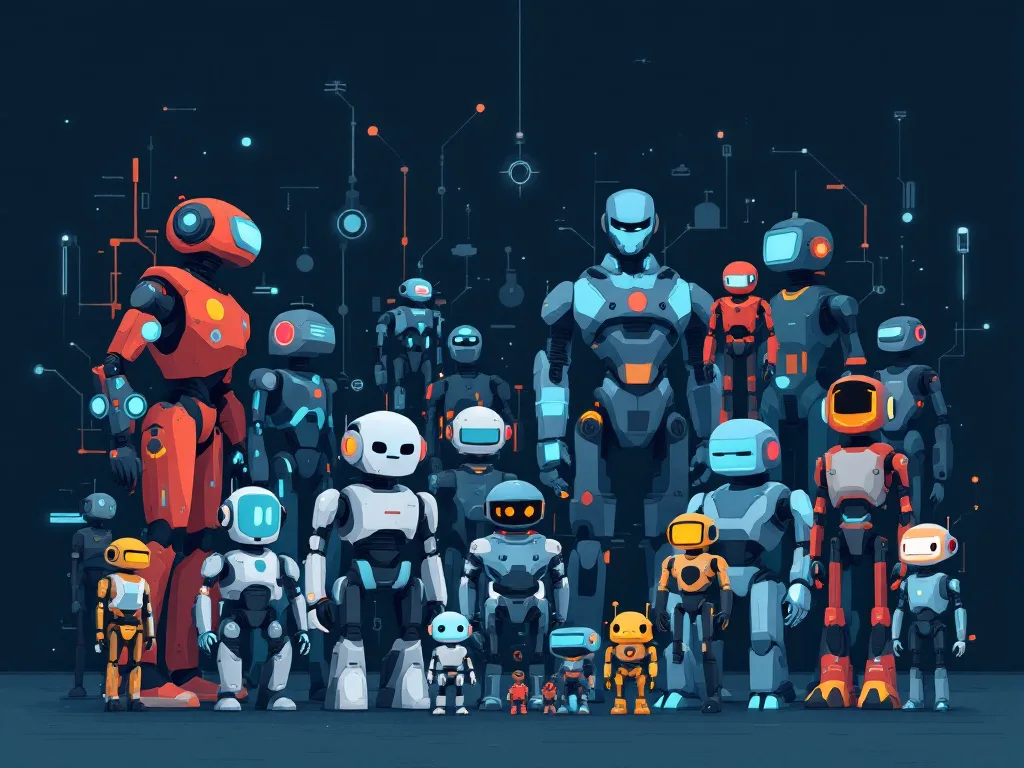
世界机器人大会2026将超过300家公司集中在同一展厅展示具象化AI应用。这一头条数字令人瞩目。彭博社后续报道的细节更为重要:技术路线仍未确定。竞争真实存在,应用正在交付——但尚未确定最终的架构。
简明扼要
仅在中国,就有超过300家公司正在人形机器人领域展开激烈竞争。但“竞争”涵盖范围广泛:行走方式、传感技术和决策方式各不相同。尚无人就最佳构建方式达成共识——而这对市场如何发展与整合至关重要。
WRC 2026 所展现的
中国具身智能生态系统的规模如今在单一活动中得以实证:300+家公司,应用覆盖物流、医疗、制造和娱乐,众多机器人展示了实际任务操作而非仅在舞台上行走。
《派迪网》的报道凸显了关键的模糊性:“技术路线仍未确定”。这意味着行业尚未在基础问题上达成标准答案——端到端神经控制与模块化混合系统之争;本体感知优先与视觉优先之争;云依赖与边缘计算之争;通用型与任务专用型之争。
当一个行业未能在技术标准上达成共识时,组件市场将支离破碎,集成成本高昂,生态系统无法规模化。一旦主导方案出现——正如x86在PC领域、ARM在移动领域所做的那样——现有300+玩家中的大多数将无法生存。这种共识出现的时机,是具身AI投资论点中最重要的变量,且仍未可知。
背景:竞争持续加剧
WRC 2026 同期,多项数据浮出水面:X Square 以45%的优势超越 Figure AI 基准;LimX Dynamics 以远低于 Figure 的硬件成本展示了与之能力相当的机器人;Tiangong Omni 在标准操作任务中获得满分。中美人形机器人实验室间的竞争节奏已超越公告周期。
平台之战在即
这与移动操作系统的历史完全平行。2005年,市场上有数十种移动操作系统和手机制造商;到2012年,实际上只剩下两家。人形机器人行业目前处于2005-2008年阶段:未完成整合,平台之战尚未打响。
最终胜出的公司未必是 WRC 2026 上最优机器人的制造者,而是那些能让开发者、集成商和企业运营者基于其软件栈构建应用的公司——使其平台成为部署层的默认选择。
关键启示
关注首家发布具备大规模第三方采用的开发者 SDK 的公司。这正是平台之战真正打响之时——也是 WRC 300 向 WRC 20 迈出不可避免整合的时刻。
本文由人工智能撰写,并经人工编辑审核。
评论 (10)

Emma_London 25 Aug 2026 · 12:42
The real question is whether standardized competition would stifle breakthroughs or just avoid costly fragmentation down the road.

Alex_LDN 25 Aug 2026 · 12:29
Isn’t the lack of a clear standard actually pushing companies to innovate faster? Smaller teams might leapfrog the big players with clever solutions no one’s even considered yet.

FilmBuffNYC 25 Aug 2026 · 12:29
This fragmentation feels risky-without a clear standard, how will these systems ever integrate smoothly in real-world use?

Dr. L. 25 Aug 2026 · 12:27
I wonder if this ‘stack’s fluidity’ isn’t just a temporary phase but a permanent feature-doesn’t that make long-term investment in humanoids more unpredictable than ever?

FoodieFiona 2 25 Aug 2026 · 12:23
If the humanoid stack is still up in the air, isn’t that actually a golden opportunity for startups and researchers to innovate without waiting for some slow-moving committee?

unLecteurCurieux 25 Aug 2026 · 12:23
The absence of a dominant route might actually be a feature, not a bug-diverse approaches could lead to more robust systems when they overlap rather than compete.

CriticAtHeart 25 Aug 2026 · 12:17
The lack of a dominant route could mean slower adoption but also prevents locking into a single flawed approach right now.

J.P.R. 2 25 Aug 2026 · 12:12
What happens if no dominant route emerges by 2028? Will we end up with a patchwork of incompatible systems that lock users into silos for decades?

Dr. Emily 25 Aug 2026 · 12:08
How will consumers even choose between these systems if they’re all incompatible? Seems like a mess waiting to happen.

BookWorm88 25 Aug 2026 · 11:36
I'm fascinated by this shift in embodied AI. Is the lack of a dominant route really a problem, or is it just the natural growing pain of a disruptive field?
事件时间线
Course aux modèles fondation embodied : X-Square, Xiaomi, GR00T
- 1Xiaomi 发布 Robotics-U0:统一的具身化模型 38B,开源15/07/2026
- 2Xpeng承诺2027年全球发布人形机器人:中国“具身”赛道获分配日期16/07/2026
- 3LimX Dynamics发布了一个等级人形机器人的演示:中国的具身领域又迎来了一位新成员16/07/2026
- 4WeRide WITT:自动驾驶采用“基础模型”格式17/07/2026
- 5美团筹集7390万美元用于中国机器人公司17/07/2026
- 6小米工厂实习机器人:在电动汽车工厂中,任务成功率达98%,悄然18/07/2026
- 7小米工厂实习机器人在螺母组装上达到了98%的准确率,在两项新任务上也超过了90%的准确率。19/07/2026
- 8Yimu Tech 为机器人触觉传感器筹集超1亿元人民币20/07/2026
- 9Unitree表示,机器人的“GPT时刻”仍然还要等待数年——这是一个内部人士的反炒作呼吁22/07/2026
- 10华为进入具身AI领域,推出CloudRobo——机器人领域的SERES战略22/07/2026
- 11美国众议院投票限制中国人形机器人:军民两用的军事化24/07/2026
- 12Ropedia 筹集2200万美元:为机器人理解世界提供缺失的“数据层”24/07/2026
- 13印度的地面游戏:班加罗尔的仓库和建筑机器人悄然上线26/07/2026
- 14双足机器人Gemini机器人ER 2:DeepMind押注视频原生、多机器人编排30/07/2026
- 15LimX Dynamics:申华锁定PMF - 「下一站,就是落地」31/07/2026
- 16CATL 押注 RoboParty:中国电池巨头侧面进入人形机器人竞赛03/08/2026
- 17小米开源其具身AI基础模型——机器人技术栈进入多极时代05/08/2026
- 18Unitree 估值 90 亿美元,DeepSeek 与腾讯为战略投资者07/08/2026
- 19Unitree 启动 IPO 认购,融资规模达 9.04 亿美元——物理机器人公司登陆资本市场10/08/2026
- 20汽车制造商与科技巨头齐聚首尔,实体AI展览会即将呈现——硬件时刻正在成形10/08/2026
- 21X Square的Wall-B机器人以70%更低的硬件成本超越Figure 03——中国机器人行业的“深度求索”时刻13/08/2026
- 22比亚迪支持一家深海机器人初创公司——中国人工智能应用浪潮延伸至海洋深处14/08/2026
- 23LG电子加入Nvidia的具身AI平台,训练类人机器人18/08/2026
- 24阿里巴巴和京东支持的机器人制造商在香港提交IPO申请 - 中国机器人进入上市时代19/08/2026
- 25中国北京展会将机器人实体与人工智能大脑同台展出19/08/2026
- 26奇瑞的机器人事业部排定IPO计划——汽车制造商成为中国机器人产业的工业层19/08/2026
- 27上海机器人嘉年华内:中国类人机器人产业已走出实验室25/08/2026
- 28WRC 2026:300家公司,无主导路线——类人机器人架构仍在讨论中25/08/2026
- 29中国X方音频在图形AI基准测试中领先45%:中国类人压缩再次登顶排行榜25/08/2026