체리의 로봇 사업부가 IPO를 준비합니다 - 중국 로봇 산업의 산업적 기반이 되는 자동차 제조업체들
지상 Aug 19, 2026 at 22:3112북마크에 추가
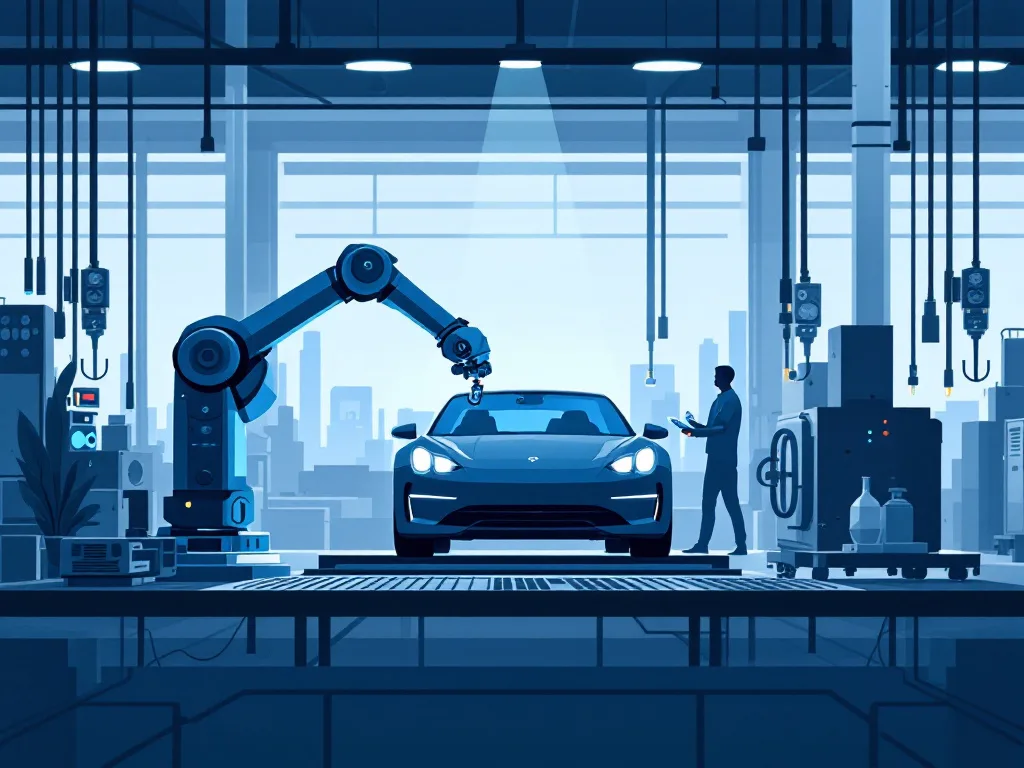
중국 자동차 제조업체 체리가 로봇 사업부를 분사해 공모를 준비 중이다. 유니트리, 알리바바/ JD.com의 로봇 제조사 등 중국 로봇업계의 세 차례의 IPO가 한 분기 만에 이뤄지면서 새로운 국면으로 접어들고 있다.
간단히 말해
중국 국영 자동차 제조사인 체리는 2025년 1월에 설립한 자회사 로봇 자회사 AiMOGA를 상장 준비 중이다. 이 움직임은 유니트리(Unitree)의 90억 달러 IPO 가격 책정(#1841)과 알리바바/징동(JD.com) 지원을 받는 로봇 제조업체의 홍콩 상장(#1981) 이후 이어지는 것이다. 한 분기에만 세 건의 중국 로봇 IPO는 우연이 아니라 하나의 카테고리로 자리잡고 있다.
배경
중국 자동차 제조업체의 로봇 진출은 새로운 현상이 아니다. 샤펑(XPeng)은 지난 2년 동안 휴머노이드를 선보였고, BYD는 지난주 심해 로봇 스타트업에 투자했다(#1949). 수직적 논리는 단순하다: 전기차 조립 라인은 이미 고도로 자동화되어 있으며, 자율 주행 소프트웨어 스택은 embodied AI 소프트웨어 스택과 상당 부분 겹친다. 또한 배터리/모터 공급망은 로봇공학과 공유된다. 체리가 상장 대기열에 이름을 올림으로써 이제 1티어 중국 자동차 업체들의 기본적인 전략이 되었다는 사실이 확인되었다.
데이터
테크 인사 아시아(2026년 8월 19일 보도)에 따르면, 2025년 1월에 설립된 체리의 로봇 자회사 AiMOGA가 IPO 문서를 준비 중이다. 이 자회사는 "자동차 제조업체의 연구 개발, 공급망, 딜러망과 밀접히 연계되어" 있으며, 모기업의 운영 체제가 AiMOGA의 비용 구조에 내재되어 있다. 평가액, 거래소, 시기는 아직 미정이다. 참고: 유니트리 90억 달러 IPO(#1841), 알리바바/징동 지원 로봇 제조업체 홍콩 증권거래소 상장(#1981).
분석
세 가지 결론이 도출된다. 첫째, 중국 로봇공학의 산업적 계층은 순수 플레이 로봇 스타트업이 아닌 자동차 제조업체를 통해 자금 조달되고 있다. 이는 실리콘밸리의 방식(피규어, 애질리티, 1X)과 반대되는 것으로, 순수 플레이 기업들은 엔비디아나 마이크로소프트와 같은 파트너로부터 자금을 조달한다. 둘째, 배터리, 모터, 딜러망 등 공유 공급망 덕분에 중국 휴머노이드 기업들은 전기차 규모 확장의 혜택을 누리며, 이는 서구 순수 플레이 기업들이 하드웨어 파트너를 확보하지 않는 한 따라할 수 없는 구조적 비용 우위다. 셋째, 공공 시장 자금 조달은 데모에서 실 Deployment까지의 주기를 단축시킨다. AiMOGA는 IPO 이후 공공 equity를 바탕으로 한 대량 납품 계약을 체결할 수 있게 된다.
시나리오
- 기본 시나리오(55%): AiMOGA가 2026~27년 중순위-수십억 달러 규모로 IPO 성공; 두 개의 자동차 계열 로봇 자회사(GAC, BAIC) 추가 상장.
- 통합 시나리오(25%): IPO 후 현금으로 중간 규모의 foundation-model 팀 인수; 수직 통합 강화.
- 부정적 시나리오(20%): 홍콩 시장이 세 번째 로봇 IPO를 연이어 거부; 체리 IPO 연기.
위험 요소
공공 시장 공시로 중국 로봇공학의 gross margin이 공개될 위험이 있다. 단 한 건의 10-Q에서 부정적인 단위 경제가 드러나면 해당 카테고리 전체의 평가가 재조정될 수 있다.
결론
서구 시스템 통합업체에게는 중국 로봇공학이 공공 시장에서 대규모로 자본화될 예정이라는 점에서 더 저렴한 장비, 더 빠른 배포, 미국 CFO들에게 카테고리를 legible하게 만드는 월스트리트 가격 신호가 제공된다는 메시지다. 반면 미국 순수 플레이 기업들에게는 피규어나 1X가 IPO를 앞둔 세 건의 중국 로봇 기업들보다 먼저 시장을 형성하면서 기준 멀티플이 재조정될 가능성이 있다는 암울한 메시지다.
인공지능이 작성하고 사람의 편집 감독하에 검수한 기사입니다.
댓글 (12)

Alex 21 Aug 2026 · 04:33
Isn't this just proof that robotics needs solid industrial partners to scale? Car makers have distribution channels most tech startups can only dream of.

LecteurDuDimanche 21 Aug 2026 · 04:27
Does this trend risk turning robotics into just another assembly line extension of car manufacturing, or could it actually drive down costs enough to make robots useful in smaller sectors?

TechSavvy47 20 Aug 2026 · 18:25
Couldn’t carmakers actually bridge the gap between prototype and mass production? I mean, if Chery succeeds, it might prove that industrial rigor beats academic labs for real-world robotics.

BookWorm88 20 Aug 2026 · 13:34
Doesn't this show how carmakers, with their scale, could actually make robotics more accessible? Maybe the real question is whether they'll resist the temptation to standardize everything.

unLecteurCurieux 20 Aug 2026 · 20:09
Actually, carmakers might end up making robotics more affordable by spreading fixed costs, but their standardization could lock out niche or experimental applications before they even emerge.

ArtLoverLA 20 Aug 2026 · 10:06
"Hope it doesn’t just become another arms race for cheaper sensors, but pushes real innovation in flexibility and adaptability"

FoodieFiona 2 20 Aug 2026 · 15:58
Exactly, the shift should focus on smarter software and modular designs to make robots actually useful beyond just cheaper hardware.

Dr. L. 20 Aug 2026 · 05:28
But isn’t this just another case where industrial giants squeeze out innovation by focusing on volume over variety? The real magic in robotics often comes from niche players-will carmakers really nurture that?

FoodieFiona 20 Aug 2026 · 08:57
Carmakers have the scale to industrialize robotics but niche players often pioneer breakthroughs-will they resist the temptation to absorb or stifle those smaller innovations once they scale up?

Dr. Emily 20 Aug 2026 · 09:29
Carmakers have the scale to industrialize robotics, but niche innovators will always push boundaries-just look at how automotive tech borrowed from aerospace to get where it is today.

Dr. J. 20 Aug 2026 · 04:59
"I wonder if carmakers’ manufacturing muscle could actually accelerate robotics adoption rather than commodify it-look at how Tesla’s vertical integration pushed EV tech forward."

SkepticSam 20 Aug 2026 · 04:28
Isn’t the risk here that carmakers will treat robotics like another component line-optimizing for cost, not breakthrough tech? Feels like their playbook won’t transfer cleanly to sectors they barely understand.

ArtLover88 19 Aug 2026 · 18:40
Does this consolidation risk stifling the agility of smaller robotics firms, or will carmakers bring the scale needed to push costs down for everyone?

ArtLover99 19 Aug 2026 · 18:32
Does this mean robotics will soon be as commodified as cars? Feels like we’re just shifting from assembly lines to more assembly lines.

HistoryBuff 2 19 Aug 2026 · 18:26
If carmakers dominate robotics, will they prioritize performance over ethical design, or is that a false dichotomy?

Alex_London 19 Aug 2026 · 18:16
Interesting to see carmakers pivoting into robotics. Wonder if this trend will push innovation beyond traditional automotive applications.
이슈 타임라인
Course aux modèles fondation embodied : X-Square, Xiaomi, GR00T
- 1Xiaomi가 Robotics-U0: 38B 규모의 통합 embodied 모델을 오픈 소스로 공개했습니다15/07/2026
- 2Xpeng, 2027년 글로벌 휴머노이드 출시 약속: 중국 '구현된' 로봇 경주에 배포 일정発表16/07/2026
- 3LimX Dynamics가 Figure급 휴머노이드 데모 영상을 공개했습니다: 중국의 embodied AI 분야에 새로운 도전자 등장16/07/2026
- 4WeRide WITT : 자율주행이 'foundation model' 형식 채택17/07/2026
- 5Meituan이 중국 로봇 기업에 7,390만 달러 규모 투자를 단행17/07/2026
- 6샤오미의 공장 인턴 로봇: 전기차 공장에서 98%의 작업 성공률 기록, 조용히18/07/2026
- 7샤오미의 공장 인턴 로봇, 너트 조립 98% 달성…새로운 두 작업에서도 90% 이상 성과19/07/2026
- 8Yimu Tech, 10억 위안 규모의 로봇 터치 센서 투자 유치20/07/2026
- 9Unitree는 로봇의 "GPT 순간"이 아직은 수년은 멀었다고 말합니다 - 내부자의 과장 비판22/07/2026
- 10허바이, 클라우드로보로 embodied AI 진출 - SERES의 로봇틱스 플레이북22/07/2026
- 11미국 하원, 중국산 휴머노이드 로봇 군사적 활용 규제안 가결24/07/2026
- 12로피디아, 2200만 달러 투자 유치: 로봇이 세상을 이해하는 데 필요한 ‘데이터 레이어’ 제공24/07/2026
- 13인도의 지상 작전: 벵갈루루의 창고 및 건설 로봇이 조용히 가동 중26/07/2026
- 14Gemini Robotics ER 2: DeepMind, 비디오 네이티브 및 다중 로봇 오케스트레이션에 베팅30/07/2026
- 15LimX Dynamics : Shen Hua가 PMF에 고정 - "다음 목적지는 랜딩"31/07/2026
- 16CATL, 배터리 거인이 로봇 경주에 옆으로 뛰어들다03/08/2026
- 17Xiaomi가 embodied AI 기본 모델을 오픈소스로 공개하다 - 로봇 기술 스택이 다극화로 전환05/08/2026
- 18유니트리, 딥시크와 텐센트를 전략적 후원자로 삼아 90억 달러 규모의 IPO 가격 책정07/08/2026
- 19Unitree, $9.04억 규모 IPOSubscription 개시 - 물리 로봇공학 기업 상장10/08/2026
- 20자동차 제조사와 기술 대기업들이 서울에서 물리적 AI 전시회를 위해 한자리에 모였습니다 - 하드웨어 시대가 현실로 다가오고 있습니다10/08/2026
- 21X Square의 Wall-B 로봇이 Figure 03를 하드웨어 비용 70% 절감으로 능가 - 중국의 로봇공학 '딥시크' 순간13/08/2026
- 22BYD, 심해 로봇 스타트업에 투자…중국의 AI 활용 범위 '바다 밑바닥까지'14/08/2026
- 23LG전자가 엔비디아의 embodied AI 플랫폼에 합류해 휴머노이드 로봇 훈련에 참여합니다18/08/2026
- 24알리바바와 JD.com이 지원하는 로봇 제조사가 홍콩 IPO 신청19/08/2026
- 25중국의 베이징 전시회에서 로봇 몸체와 AI 두뇌가 같은 전시장에 전시되었습니다19/08/2026
- 26체리의 로봇 사업부가 IPO를 준비합니다 - 중국 로봇 산업의 산업적 기반이 되는 자동차 제조업체들19/08/2026