WRC 2026: 300개 기업, 지배적인 루트 없음 - 휴머노이드 스택은 아직 결정되지 않음
지평 Aug 25, 2026 at 16:2310북마크에 추가
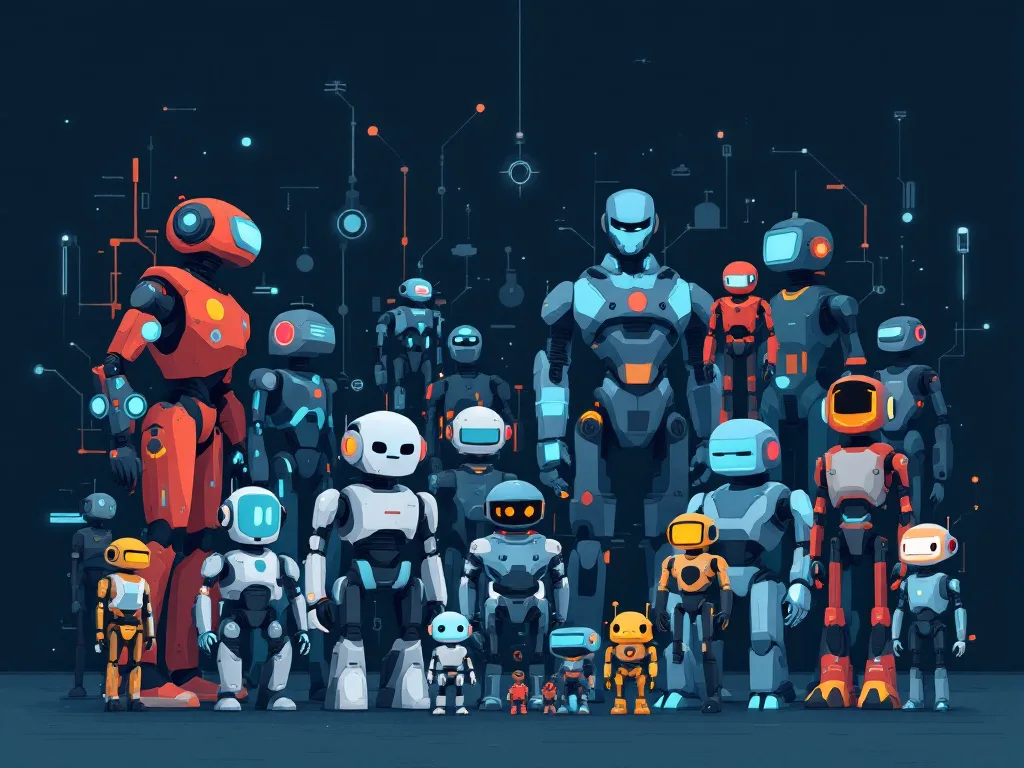
2026 세계 로봇 콘퍼런스에서는 300개 이상의 기업이 한 층에 모여 embodied AI 응용 프로그램을 선보였습니다. 헤드라인 숫자는 주목할 만합니다. 팬데일리(Pandaily)의 보도에서 나온 후속 세부 내용이 더 중요합니다: 기술적 접근 방식은 아직 정착되지 않았습니다. 경쟁은 현실이며, 응용 프로그램은 출시되고 있지만, 승리할 아키텍처는 아직 정해지지 않았습니다.
간단히 말해
중국만 하더라도 현재 300개가 넘는 기업이 humanoid robot(인간형 로봇) 분야에서 본격적으로 경쟁하고 있습니다. 하지만 '경쟁'은 다양한 의미를 내포하고 있습니다: 보행, 센싱, 의사 결정 방식 등 각기 다른 접근법이 존재합니다. 아직까지는 어떤 방식이 최선인지에 대한 합의가 없으며, 이는 이 시장이 어떻게 발전하고 통합될지에 중요한 영향을 미칩니다.
WRC 2026에서 보여준 것
중국 내 embodied intelligence(구현된 지능) 생태계의 규모가 단일 행사에서 실증적으로 확인되었습니다: 300개 이상의 기업, 물류·의료·제조·엔터테인먼트 등 다양한 분야의 응용 사례, 그리고 무대 위를 걷는 것 이상의 실제 작업을 수행하는 로봇들이 다수 등장했습니다.
판데일리(Pandaily)의 보도에 따르면, "기술적 접근 방식이 아직 정립되지 않았다"는 중대한 모호성이 존재합니다. 이는 산업계가 기본적인 질문에 대한 표준 답을 찾지 못했다는 의미입니다—end-to-end neural control(엔드투엔드 신경 제어) vs. modular hybrid systems(모듈형 하이브리드 시스템), proprioception-first(고유감각 우선) vs. vision-first(시각 우선), cloud-dependent(클라우드 의존) vs. edge-capable(엣지 가능), general-purpose(범용) vs. task-specialized(작업 특화).
When an industry hasn't converged on a technical standard, component markets are fragmented, integration costs are high, and the ecosystem hasn't scaled. The moment a dominant approach emerges - as x86 did in PCs, as ARM did in mobile - most of the 300+ current players become unviable. The timing of that convergence is the single most important variable in the embodied AI investment thesis, and it's still unknown.
배경: 압축은 계속된다
WRC 2026 주간에는 다음과 같은 데이터 포인트가 추가되었습니다: X Square가 Figure AI의 벤치마크를 45% 앞질렀습니다. LimX Dynamics는 Figure의 성능에 육박하는 로봇을 하드웨어 비용의 일부분에 구현했습니다. Tiangong Omni는 표준 조작 작업에서 만점을 받았습니다. 중국과 미국의 humanoid lab(인간형 로봇 연구실) 간의 경쟁 루프가 발표 주기보다 더 빠르게 진행되고 있습니다.
다가오는 플랫폼 전쟁
이것은 모바일 OS와 정확히 평행합니다. 2005년에는 수십 개의 모바일 운영체제와 핸드셋 제조사가 있었습니다. 2012년에는 사실상 두 개로 줄어들었습니다. humanoid robot 산업은 현재 2005~2008년 즈음의 단계에 있습니다: 통합 전 단계, 플랫폼 전쟁이 아직 시작되지 않은 상태입니다.
승리할 기업은 WRC 2026에서 가장 뛰어난 로봇을 보유한 기업이 아닐 수 있습니다. 개발자, 통합업체, 기업 운영자들이 그들의 소프트웨어 스택 위에 구축하도록 만들고, 이를 배포 계층의 기본으로 만드는 기업이 승리할 것입니다.
결론
의미 있는 제3자 채택 규모로 개발자 SDK를 처음 출시하는 기업을 주목하세요. 그때 플랫폼 전쟁이 본격적으로 시작되며, WRC 300이 inevitable consolidation(불가피한 통합)을 거쳐 WRC 20으로 줄어들기 시작할 것입니다.
인공지능이 작성하고 사람의 편집 감독하에 검수한 기사입니다.
댓글 (10)

Emma_London 25 Aug 2026 · 12:42
The real question is whether standardized competition would stifle breakthroughs or just avoid costly fragmentation down the road.

Alex_LDN 25 Aug 2026 · 12:29
Isn’t the lack of a clear standard actually pushing companies to innovate faster? Smaller teams might leapfrog the big players with clever solutions no one’s even considered yet.

FilmBuffNYC 25 Aug 2026 · 12:29
This fragmentation feels risky-without a clear standard, how will these systems ever integrate smoothly in real-world use?

Dr. L. 25 Aug 2026 · 12:27
I wonder if this ‘stack’s fluidity’ isn’t just a temporary phase but a permanent feature-doesn’t that make long-term investment in humanoids more unpredictable than ever?

FoodieFiona 2 25 Aug 2026 · 12:23
If the humanoid stack is still up in the air, isn’t that actually a golden opportunity for startups and researchers to innovate without waiting for some slow-moving committee?

unLecteurCurieux 25 Aug 2026 · 12:23
The absence of a dominant route might actually be a feature, not a bug-diverse approaches could lead to more robust systems when they overlap rather than compete.

CriticAtHeart 25 Aug 2026 · 12:17
The lack of a dominant route could mean slower adoption but also prevents locking into a single flawed approach right now.

J.P.R. 2 25 Aug 2026 · 12:12
What happens if no dominant route emerges by 2028? Will we end up with a patchwork of incompatible systems that lock users into silos for decades?

Dr. Emily 25 Aug 2026 · 12:08
How will consumers even choose between these systems if they’re all incompatible? Seems like a mess waiting to happen.

BookWorm88 25 Aug 2026 · 11:36
I'm fascinated by this shift in embodied AI. Is the lack of a dominant route really a problem, or is it just the natural growing pain of a disruptive field?
이슈 타임라인
Course aux modèles fondation embodied : X-Square, Xiaomi, GR00T
- 1Xiaomi가 Robotics-U0: 38B 규모의 통합 embodied 모델을 오픈 소스로 공개했습니다15/07/2026
- 2Xpeng, 2027년 글로벌 휴머노이드 출시 약속: 중국 '구현된' 로봇 경주에 배포 일정発表16/07/2026
- 3LimX Dynamics가 Figure급 휴머노이드 데모 영상을 공개했습니다: 중국의 embodied AI 분야에 새로운 도전자 등장16/07/2026
- 4WeRide WITT : 자율주행이 'foundation model' 형식 채택17/07/2026
- 5Meituan이 중국 로봇 기업에 7,390만 달러 규모 투자를 단행17/07/2026
- 6샤오미의 공장 인턴 로봇: 전기차 공장에서 98%의 작업 성공률 기록, 조용히18/07/2026
- 7샤오미의 공장 인턴 로봇, 너트 조립 98% 달성…새로운 두 작업에서도 90% 이상 성과19/07/2026
- 8Yimu Tech, 10억 위안 규모의 로봇 터치 센서 투자 유치20/07/2026
- 9Unitree는 로봇의 "GPT 순간"이 아직은 수년은 멀었다고 말합니다 - 내부자의 과장 비판22/07/2026
- 10허바이, 클라우드로보로 embodied AI 진출 - SERES의 로봇틱스 플레이북22/07/2026
- 11미국 하원, 중국산 휴머노이드 로봇 군사적 활용 규제안 가결24/07/2026
- 12로피디아, 2200만 달러 투자 유치: 로봇이 세상을 이해하는 데 필요한 ‘데이터 레이어’ 제공24/07/2026
- 13인도의 지상 작전: 벵갈루루의 창고 및 건설 로봇이 조용히 가동 중26/07/2026
- 14Gemini Robotics ER 2: DeepMind, 비디오 네이티브 및 다중 로봇 오케스트레이션에 베팅30/07/2026
- 15LimX Dynamics : Shen Hua가 PMF에 고정 - "다음 목적지는 랜딩"31/07/2026
- 16CATL, 배터리 거인이 로봇 경주에 옆으로 뛰어들다03/08/2026
- 17Xiaomi가 embodied AI 기본 모델을 오픈소스로 공개하다 - 로봇 기술 스택이 다극화로 전환05/08/2026
- 18유니트리, 딥시크와 텐센트를 전략적 후원자로 삼아 90억 달러 규모의 IPO 가격 책정07/08/2026
- 19Unitree, $9.04억 규모 IPOSubscription 개시 - 물리 로봇공학 기업 상장10/08/2026
- 20자동차 제조사와 기술 대기업들이 서울에서 물리적 AI 전시회를 위해 한자리에 모였습니다 - 하드웨어 시대가 현실로 다가오고 있습니다10/08/2026
- 21X Square의 Wall-B 로봇이 Figure 03를 하드웨어 비용 70% 절감으로 능가 - 중국의 로봇공학 '딥시크' 순간13/08/2026
- 22BYD, 심해 로봇 스타트업에 투자…중국의 AI 활용 범위 '바다 밑바닥까지'14/08/2026
- 23LG전자가 엔비디아의 embodied AI 플랫폼에 합류해 휴머노이드 로봇 훈련에 참여합니다18/08/2026
- 24알리바바와 JD.com이 지원하는 로봇 제조사가 홍콩 IPO 신청19/08/2026
- 25중국의 베이징 전시회에서 로봇 몸체와 AI 두뇌가 같은 전시장에 전시되었습니다19/08/2026
- 26체리의 로봇 사업부가 IPO를 준비합니다 - 중국 로봇 산업의 산업적 기반이 되는 자동차 제조업체들19/08/2026
- 27상하이 로봇 카니발 속: 중국의 휴머노이드 산업은 실험실을 떠났다25/08/2026
- 28WRC 2026: 300개 기업, 지배적인 루트 없음 - 휴머노이드 스택은 아직 결정되지 않음25/08/2026
- 29X Square Beats Figure AI's Benchmark by 45%: China's Humanoid Compression Hits the Leaderboard Again25/08/2026